

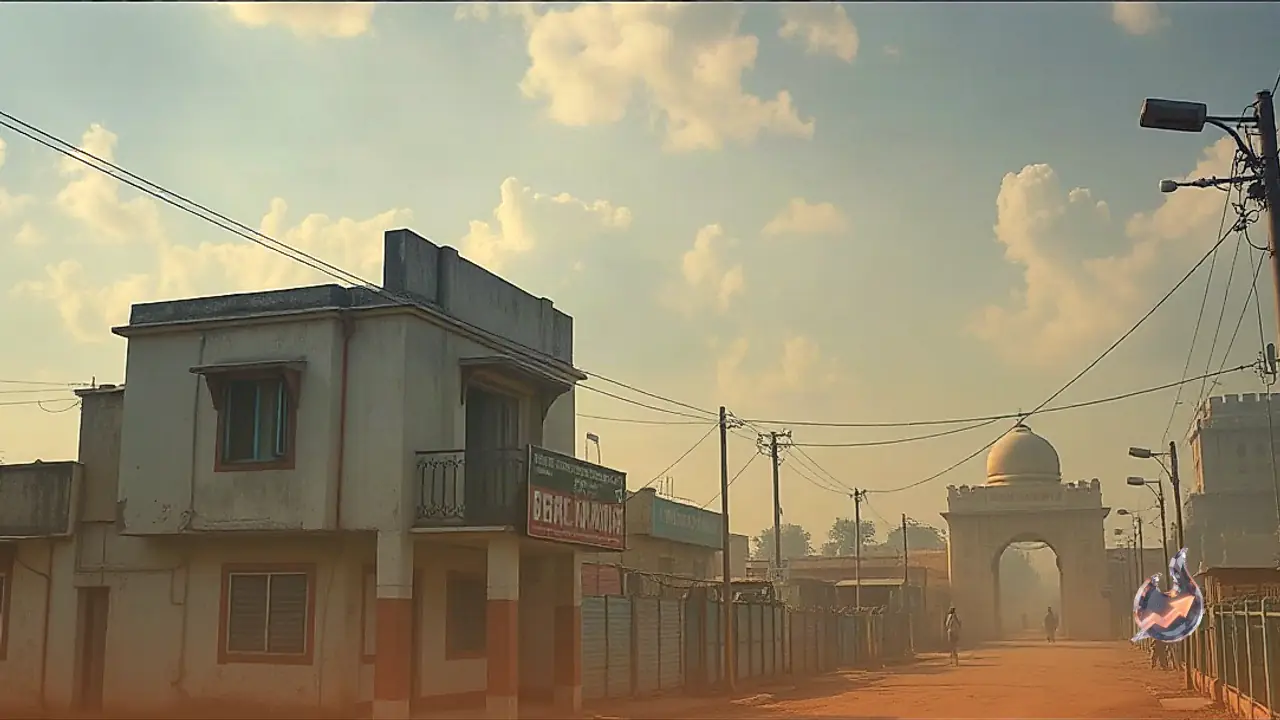






















The urban landscape of Faridabad conceals a harsh reality for hundreds of families residing in Shiv Nagar, located in Sector-22. For decades, these residents have endured extremely precarious living conditions, essentially existing on the margins of a developing city. Accessing their own homes requires navigating a daily, dangerous obstacle course. Residents must carefully balance their footing on a single brick placed over a deep, open drain. A minor misstep or a moment of lost balance threatens a direct fall into the hazardous ditch filled with contaminated water. The entire neighborhood is plagued by a pervasive foul stench, massive piles of uncollected garbage, and a severe mosquito infestation. The environment becomes exceptionally treacherous during the rainy season. When the downpours arrive, the already fragile infrastructure deteriorates further, making it virtually impossible for children to step outside to play, and severely restricting the movement of all residents.
Decades of Struggle to Build Modest Shelters
Despite these incredibly challenging circumstances, this settlement has been home to a large community for a significant period. Many families have established their lives in this specific area of Faridabad for thirty to forty years. Over the decades, they have constructed their shelters through immense struggle. While some reside in basic huts fabricated from plastic and tin, others have managed to painfully gather resources to build small brick houses. The demographic of this neighborhood consists entirely of working-class individuals who survive on meager incomes. The community includes daily wage laborers, domestic workers who sustain their families by sweeping and mopping in affluent households, and sanitation workers. These individuals toil tirelessly to secure two basic meals a day, yet they now find themselves confronting a devastating crisis that threatens to uproot their entire existence.
The July 26 Deadline and the Threat of the Bulldozer
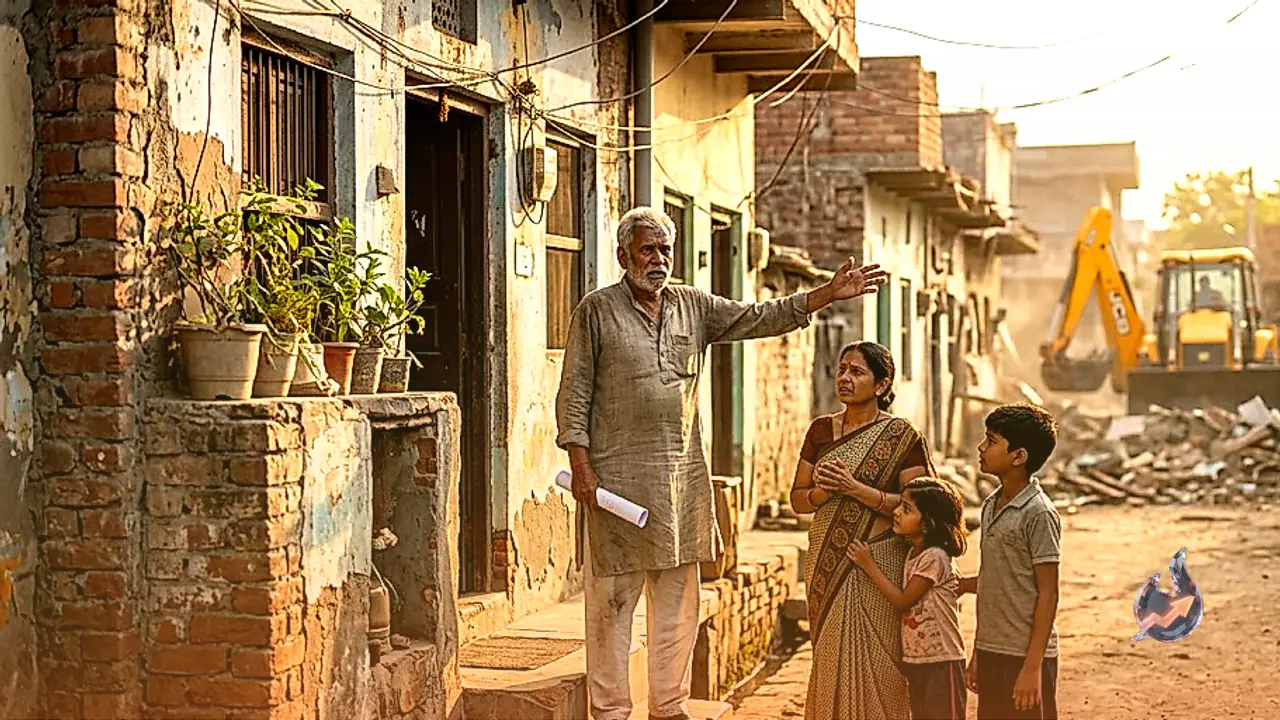
The source of this sudden panic is a formal eviction notice recently issued by the local administration. The authorities have mandated that the area must be completely vacated by the twenty-sixth of July. This impending deadline has cast a dark shadow over the entire locality, replacing their daily struggles with an overwhelming sense of dread. The administration's directive explicitly states that a penalty will be imposed on those who fail to comply and remove themselves from the premises. The prospect of losing their only shelter, combined with the threat of financial punishment, has resulted in sleepless nights for the inhabitants. Having lived in this specific spot for decades without receiving any basic civic amenities, the sudden fear of displacement has left the community desperate and searching for answers about their immediate future.
Voices of Despair: The Human Cost of Eviction
The personal accounts of the residents highlight the profound human cost of this eviction drive. Saroj, a sixty-five-year-old woman who has lived in the settlement for approximately thirty years, highlighted the perilous single-brick path over the deep drain, which remains her only access route amidst the surrounding filth. Sheela, a resident of twenty years, described her existence as hellish. She pointed out that her children repeatedly fall ill due to the unsanitary environment. Sheela spends her days working in large bungalows to feed her family, only to return to a home where mosquito bites make sleep impossible, and now faces the terrifying prospect of losing even this flawed refuge. Mamta, who moved into the slum after her marriage, pointed out the stark political reality. She noted that while political leaders are eager to visit the area seeking votes during elections, they completely disappear when the residents face an existential crisis.
Migrant Families Face Losing Everything
The impending demolition is particularly devastating for those who migrated from other regions hoping for a stable life. Sangeeta originally hails from Ballia and relocated to this Faridabad neighborhood twenty-five years ago following her marriage. Relying on daily wage labor to support her household and two young children, the eviction notice has plunged her into deep anxiety regarding her family's survival. Similarly, Tilak, originally from Uttar Pradesh, represents a family that has called Shiv Nagar home for about thirty-five years. Employed as a sanitation worker, Tilak invested approximately four lakh rupees of his hard-earned savings into constructing his house. The sudden appearance of the eviction notice has left him wondering where a person in his financial position can possibly relocate an entire family.
Residents Appeal to the Union Minister for Rehabilitation
In a desperate bid to halt the demolition and secure their future, the affected citizens decided to seek political intervention. A large group comprising hundreds of individuals from both Shiv Nagar and the adjoining Mujesar area mobilized and approached the office of Union Minister of State Krishan Pal Gurjar. The residents presented a clear and unified demand to the minister: if the administration is determined to clear the land, the government must provide alternative accommodation first. They argued vehemently that destroying their established homes without offering any rehabilitation plan is fundamentally unjust. During the meeting, Minister Krishan Pal Gurjar listened to the grievances of the displaced crowd. He provided them with an assurance that he would initiate discussions with the relevant administrative officials in an attempt to find a reasonable and appropriate solution to the crisis.