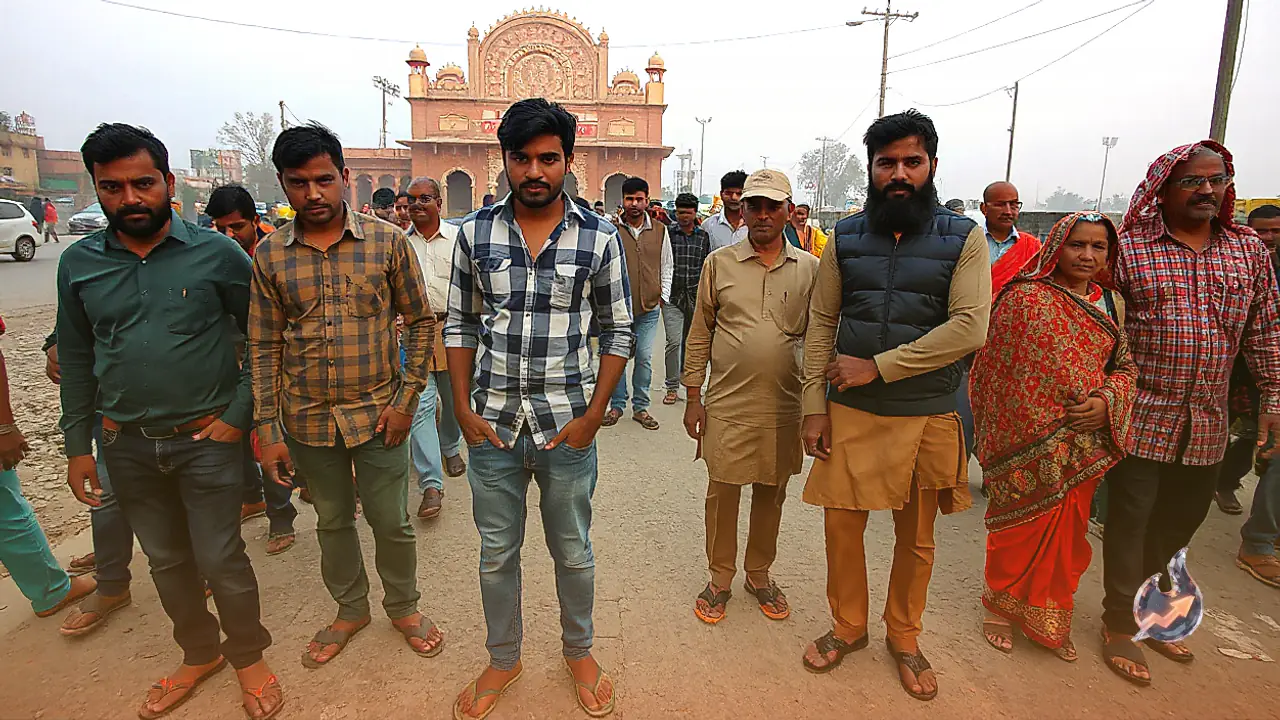




















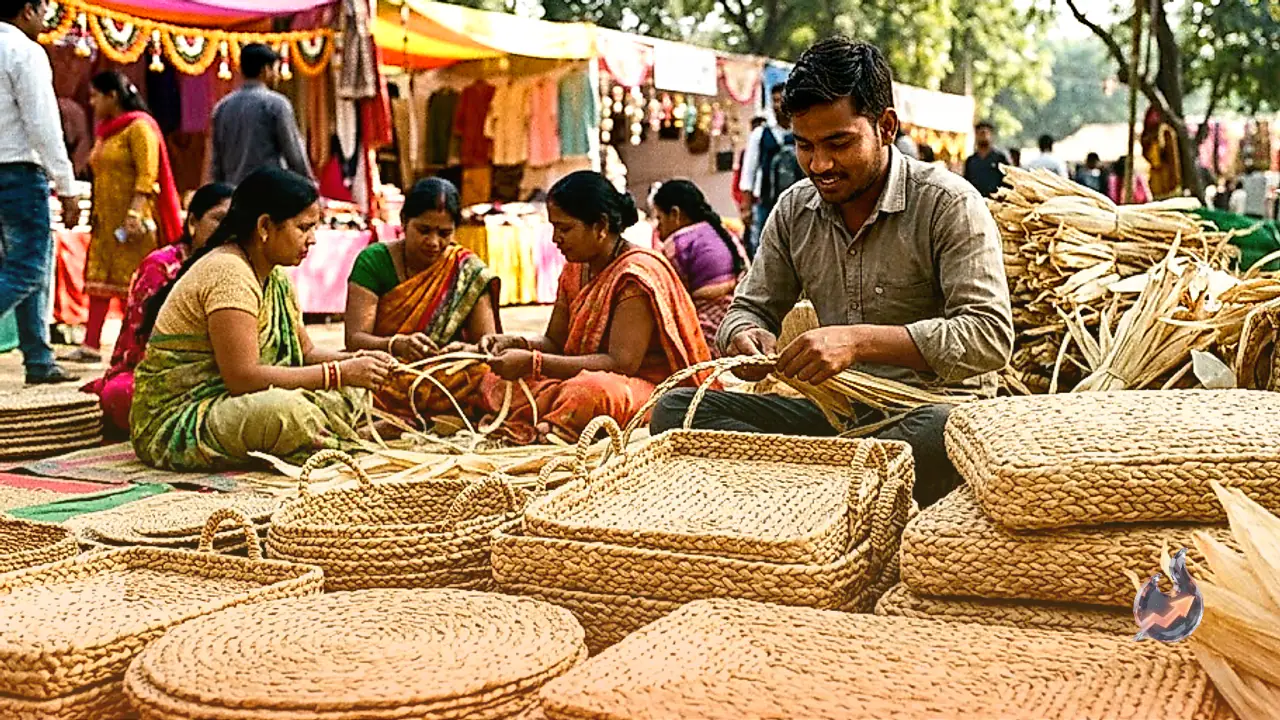

In Faridabad, a remarkable green initiative is turning what is typically discarded as waste into valuable and beautiful home decor items. At the Surajkund Diwali fair in Faridabad, a unique stall featuring trays, mats, and seat cushions made entirely from discarded corn husks has been drawing considerable attention. Beyond the novelty of the products, this grassroots venture has successfully provided sustainable employment and income to more than 100 women residing across two to three nearby villages.
Drawing inspiration from traditional roots
Pradeep Chandra, a program officer with Phoolja Foundation, shared that elder women and grandmothers in his village used to craft various items out of corn husks in the past. Taking direct inspiration from these age-old techniques, they decided to give those traditional methods a fresh and modern twist. The initial idea to launch this venture came from a woman in their village who wanted local women to have access to work that could be done comfortably from home. While men often travel outside for various jobs, women in rural areas frequently face a severe lack of employment opportunities. This initiative was specifically designed to bridge that gap.
The process of turning waste into art
According to Pradeep, it has been more than a year and a half since this enterprise was first launched. People routinely throw away corn husks after consuming the corn, but the team gathered those discarded husks and introduced them to the village women. After providing them with some basic training and utilizing instructional videos on YouTube to refine their skills, the women mastered the craft. Currently, the team creates five to six distinct product varieties using corn husks. The production process requires very little monetary investment. The husks are first separated and thoroughly dried before being hand-woven into intricate designs. Crafting a single tray takes anywhere from six to seven hours of dedicated handwork.
Market pricing and customized orders
The pricing of these eco-friendly items reflects the labor and intricate craftsmanship involved. A handcrafted tray made from corn husks is priced at 350 rupees, while a set of two mats is available for 500 rupees. A smaller seat cushion costs 700 rupees, and a larger floor mat is retailed at 1500 rupees. All of these items are manufactured directly inside the homes of the participating women. Due to high demand, current stock levels at the stalls remain limited, prompting the artisans to also accept and fulfill customized orders based on specific customer requests. This creative enterprise highlights how discarded agricultural waste can be ingeniously repurposed to foster financial independence in rural communities.