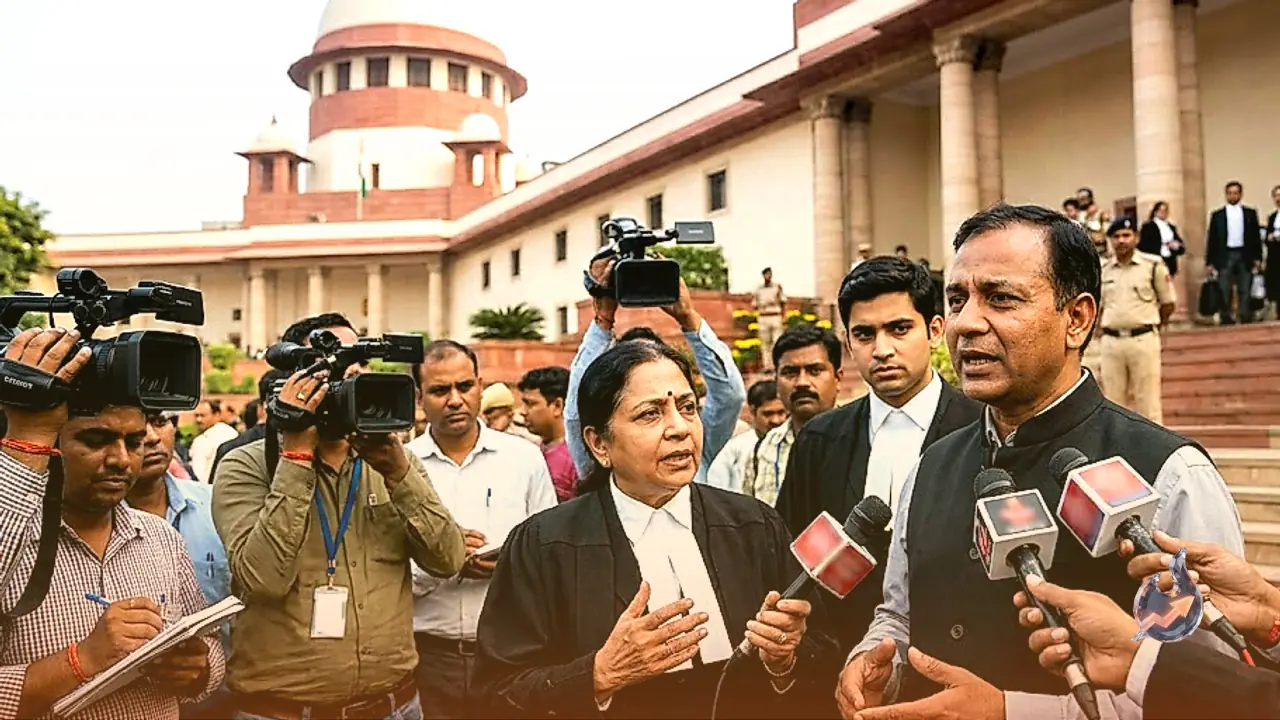




















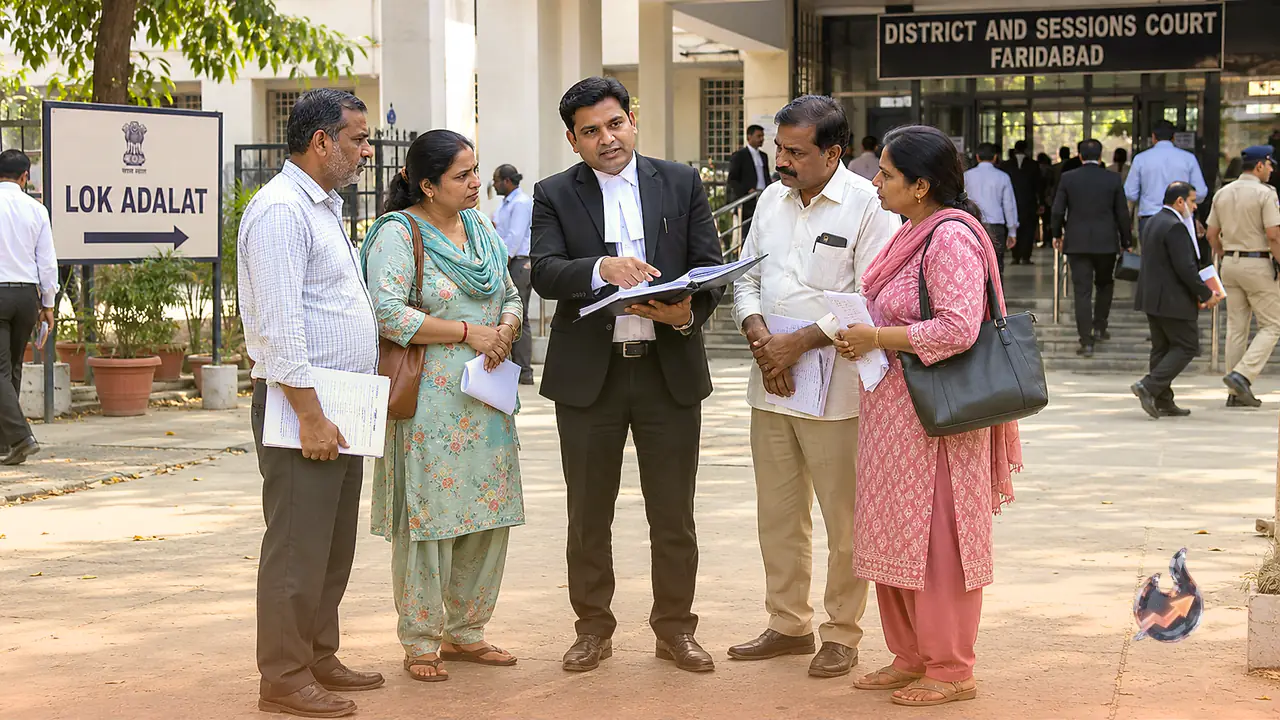

Protracted litigation that drags on for years in conventional courts often exhausts both financial resources and time over routine conflicts. To alleviate this burden and spare litigants repeated physical appearances, the mechanism of Lok Adalat serves as an efficient alternative. By facilitating resolution through mutual consensus rather than prolonged confrontation, the forum enables parties to conclude their disputes permanently. Advocate Mohan Tiwari, who practices at the Faridabad Sector-12 Court, notes that the foundational goal of this platform is delivering rapid dispute resolution at minimal expense.
Disputes Eligible for Resolution
The jurisdiction of Lok Adalats primarily covers compoundable disputes where both parties voluntarily agree to come to terms. According to Advocate Mohan Tiwari, matters regarding bank loan defaults, cheque bounce disputes, domestic or family conflicts, and motor vehicle accident claims can be taken up and finalized here. Reaching an amicable settlement relieves participants from spending decades navigating formal litigation schedules. Furthermore, the entire settlement process executed within the Lok Adalat involves zero procedural fees.
Exclusion of Serious Criminal Charges
Not every legal case can be routed through this conciliation process. Mohan Tiwari emphasized that serious criminal offences and any category of dispute wherein the law strictly prohibits compounding cannot be determined by Lok Adalats. In instances where a lawsuit is already pending before a regular court, the parties must submit an application before that concerned bench seeking transfer to the Lok Adalat. Mutual agreement between both opposing parties is an indispensable prerequisite before the presiding court formally routes the file through judicial channels.
Finality of Awards and Failed Compromise
Coercion has no place in Lok Adalat deliberations, as settlements occur solely when both participants agree on their own terms. While no additional charge is levied for the Lok Adalat hearing, whether previously incurred court expenditures can be recovered depends entirely on the specific case parameters and applicable regulations. Decisions resulting from this consensual process are definitive and final, carrying no provision for routine appellate review. Consequently, litigants must weigh every term thoroughly before confirming agreement. Should the dialogue fail to yield an agreement, the file is promptly returned to the original court, where adversarial proceedings resume normally on the basis of evidence and oral arguments.