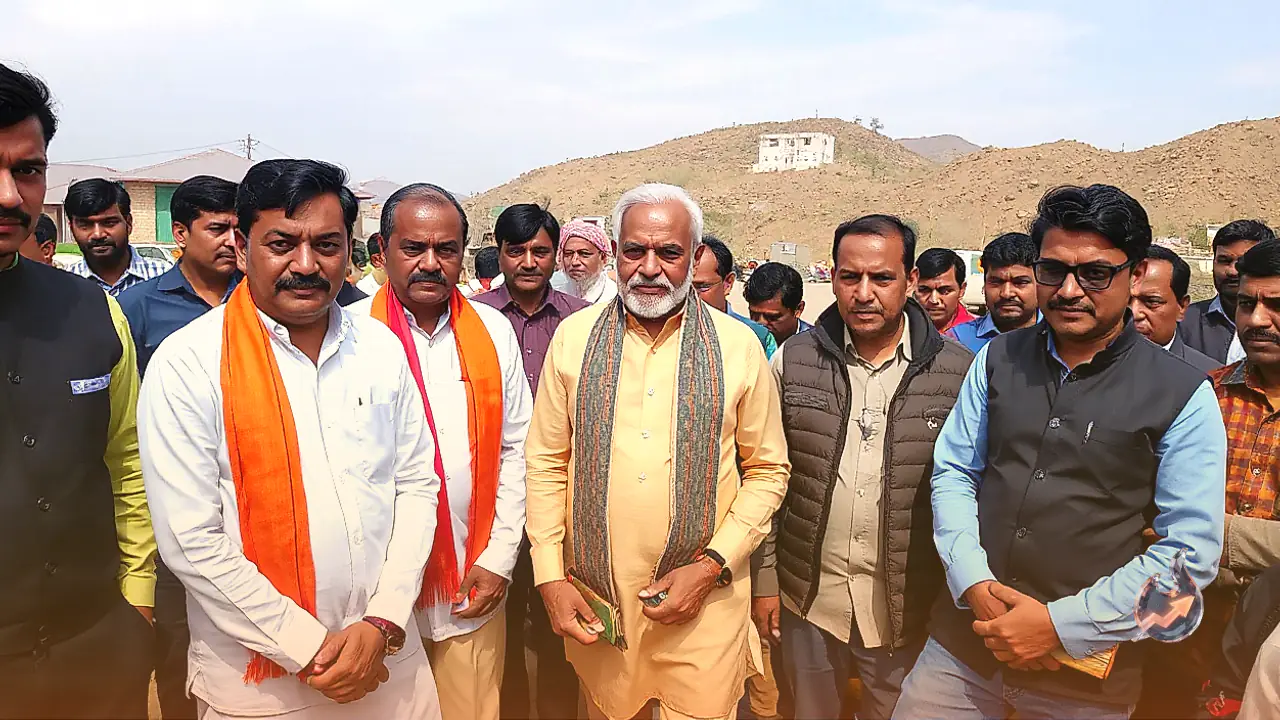




















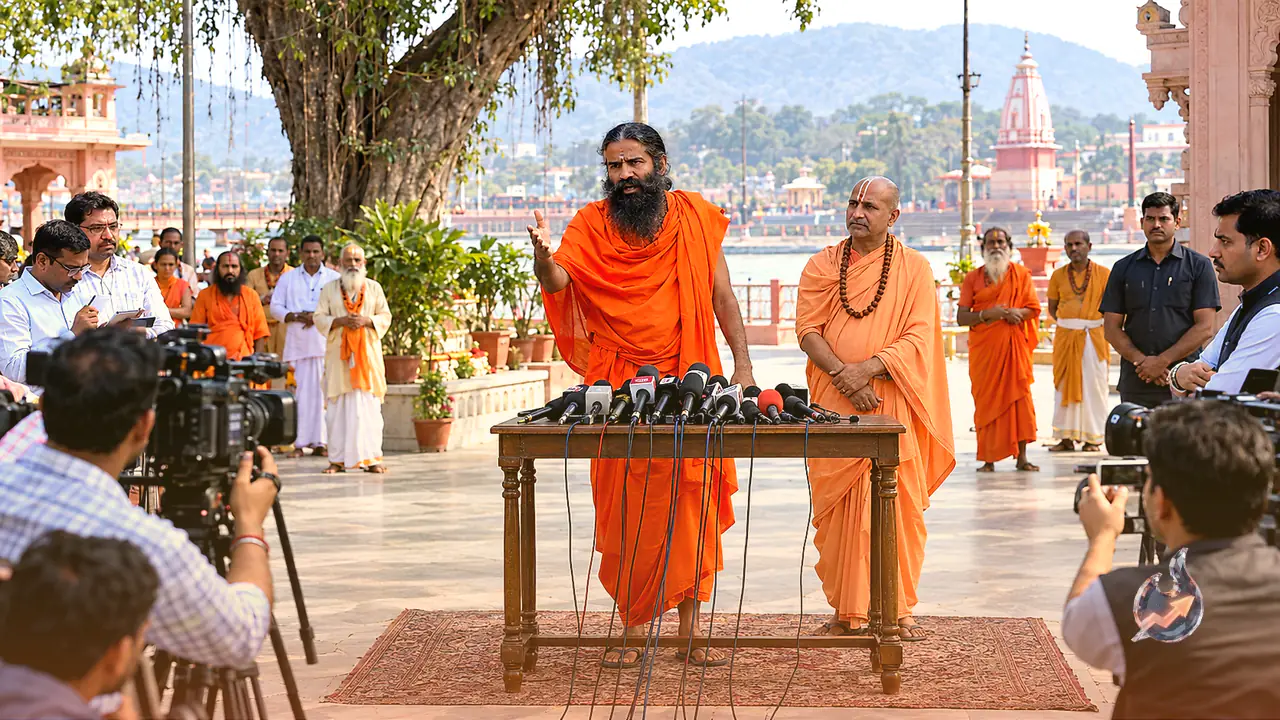

Addressing a dedicated press conference on October 28 at Divya Yoga Mandir located in Kankhal, Haridwar, Uttarakhand, yoga guru Baba Ramdev took a firm stand against recent derogatory statements and misrepresentations targeting Sanatana Dharma, Hindu deities, and sacred texts. Expressing deep concern over misleading narratives being circulated in the public domain, he emphasized that attempts to tarnish the sacred image of revered figures using altered scriptural references will not go unanswered. Swami Ramdev revealed that Patanjali is organizing a major scholarly platform where researchers and scholars will present factual and evidence-based rebuttals to debunk these false claims.
Strong Condemnation of Derogatory Remarks and Textual Adulteration
During the press conference, Baba Ramdev systematically highlighted specific instances of objectionable commentary that have surfaced in recent times. He expressed strong disapproval over claims attempting to link Lord Ram and Mother Sita with meat and alcohol, portraying Lord Krishna's divine Maharaas as luxury or sensual indulgence, and depicting Lord Shiva as an addict associated with intoxicants like ganja and bhang. He also condemned misleading statements made regarding Lord Brahma and other deities, characterizing them as a deliberate effort to disrespect Sanatana tradition.
Reflecting on historical developments, Swami Ramdev explained that over the past 1,000 years, particularly during the Mughal era and British colonial rule, opponents of Sanatana Dharma inserted unauthorized interpolations and adulterations into traditional texts. Modern critics, he noted, rely on these specific corrupted passages to launch systematic attacks on Hindu beliefs. He insisted that any discussion regarding ancient Indian knowledge and sacred texts must be grounded strictly in authentic historical facts and original contexts rather than arbitrary interpretations.
Rebuttal of Aryan Invasion Narrative and Insights on Migration
Addressing historical theories, Baba Ramdev firmly rejected the concept of the Aryan Invasion Theory, calling it a false narrative designed to divide Indian society. Sharing insights from his international travels, he mentioned asking individuals across various countries whether their ancestors had migrated to India. The response, he shared, consistently indicated that people from India traveled abroad to spread knowledge and wellness, rather than external groups invading India to establish its core civilization.
He outlined three distinct patterns of human migration. First, scholars and teachers travel globally to share wisdom, culture, and practices such as yoga. Second, individuals migrate in search of employment opportunities, moving to regions like the Middle East, the United States, Europe, or Australia. Third, migration occurs for large-scale business ventures and economic initiatives. Swami Ramdev asserted that slogans targeting specific communities, alongside concepts like 'original residents' versus outsiders, are fabricated agendas aimed at weakening national unity.
Global Sanatana Demographics and the 104th Oriental Session
Speaking on demographic facts, Baba Ramdev stated that based on birth, lineage, and ancestry, there are over 1.5 billion (150 crore) Sanatana followers worldwide today. Looking at the broader historical scope of Akhand Bharat, this number exceeds 2 billion (200 crore). He added that if 99 percent of Muslims in India trace their ancestral roots, they would acknowledge that their forebears were ancient sages, maharshis, and Vedic Sanatani practitioners who underwent conversion in earlier periods.
To provide a structured and scholarly response to all current controversies, Swami Ramdev announced the upcoming three-day event organized by Patanjali. Patanjali will host the 104th session of the Bharatiya Prachya Vidya Parishad (All India Oriental Conference). This convention will bring together prominent historians, Indologists, and Vedic scholars to thoroughly analyze ancient Indian knowledge, re-examine textual evidence, and present a comprehensive factual response to contemporary misconceptions surrounding Sanatana Dharma.