























Unexpected road accidents remain a constant hazard for daily commuters, often leaving families completely unprepared for the financial devastation that follows. When a serious collision occurs, immediate attention naturally centers on medical intervention and emergency treatment. However, mounting hospital bills and potential loss of income quickly create profound economic distress. Many families remain unaware of the statutory mechanisms established to alleviate this financial burden. Through the Motor Accident Claims Tribunal, designated as MACT, the legal framework provides an avenue for injured victims and surviving dependents to seek rightful financial compensation.
The Core Role of MACT in Determining Compensation
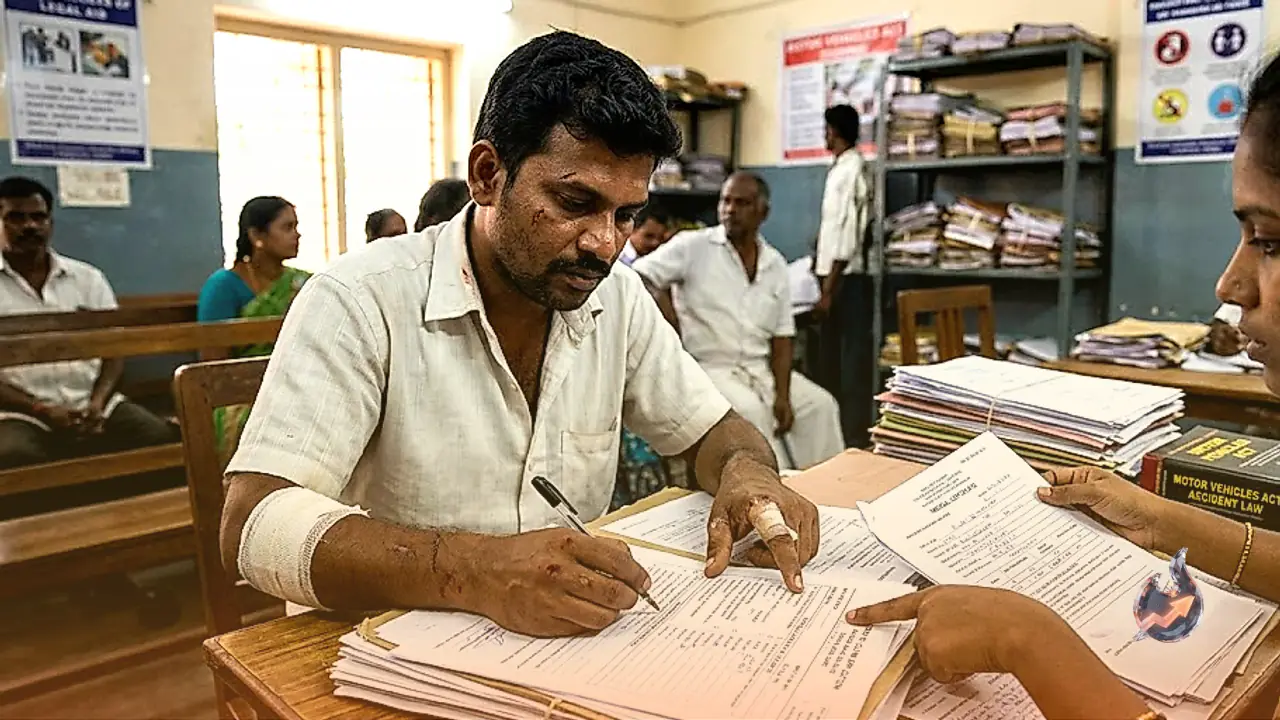
Detailing the legal architecture behind compensation, advocate Mohan Tiwari from the Faridabad Sector 12 court explained that MACT operates as the dedicated authority for adjudicating such claims. Injured victims or legal heirs of deceased individuals must formally submit their claim petition before the tribunal. Once presented, the tribunal examines the specific facts of the case, evaluating the severity of bodily injuries, the resulting medical condition, and any temporary or permanent impairment. The final compensation amount is established based on the circumstances of the collision alongside the specific terms and limits of the vehicle insurance policy involved.
Essential Paperwork Required for an Accident Claim
Building a viable compensation petition requires the immediate preservation of official records from the very day of the incident. Advocate Mohan Tiwari pointed out that registering a First Information Report with the police is the crucial primary requirement. Following the FIR, the police prepare an accident report which works in tandem with official medical reports detailing the sustained trauma. In addition, claimants must retain the hospital discharge summary, treatment bills, and diagnostic papers. Together, these documents serve as direct evidentiary proof connecting the medical treatment and financial losses directly to the vehicular collision.
The Importance of Timely Filing
Delaying the legal procedure after an accident can undermine the entire compensation process. Advocate Mohan Tiwari warned that any lag in initiating the process increases practical difficulties and risks causing financial harm to the family. Legal steps should commence as soon as the incident takes place. Postponing the formal filing of claims can lead to procedural complications, missing records, or challenges in verifying evidence, while prompt action ensures a clearer path through judicial proceedings.
Compensation Entitlement Despite Riding Without a Helmet
While wearing protective headgear remains an indispensable safety rule that every two-wheeler rider must observe, riding without one does not automatically forfeit a victim's right to claim damages. Advocate Mohan Tiwari clarified that while wearing a helmet is crucial for personal protection and everyone ought to wear it, an injured individual is not disqualified from receiving compensation simply because they were unhelmeted at the time of a major crash. The legal provisions still accommodate financial recovery under such circumstances based on the merits of the accident.
Evaluating Financial Dependency in Fatal Cases
In tragic incidents involving a fatality, the tribunal assesses the compensation by closely analyzing the surviving dependents left behind. For instance, if a sole breadwinner passes away leaving behind elderly parents and three or four sisters, the court directly examines how many individuals were reliant on that single income for their daily survival. The tribunal calculates the financial vacuum created by the loss of the earner to determine a compensation package that helps safeguard the surviving family members from complete economic ruin.