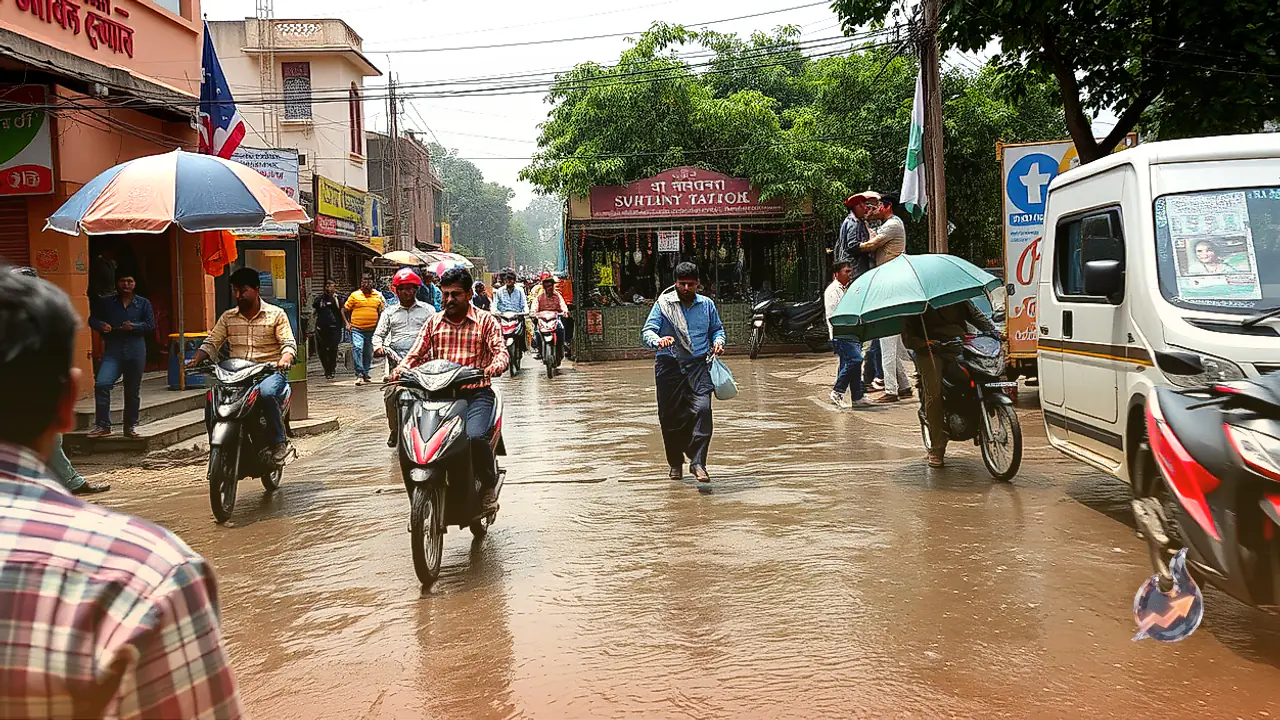






















Weather patterns in Ambala have shifted dramatically, bringing a sharp rise in viral infection cases across the city. The unusual combination of warm daytime temperatures and chilly mornings and evenings has taken a heavy toll on children's health, leaving many suffering from coughs, colds, severe sore throats, and high fevers. This meteorological transition is reflecting heavily on the Out-Patient Departments of both the civil hospital and private clinics, where patient numbers have swelled significantly in recent days.
Hospital Crowds and Common Symptoms
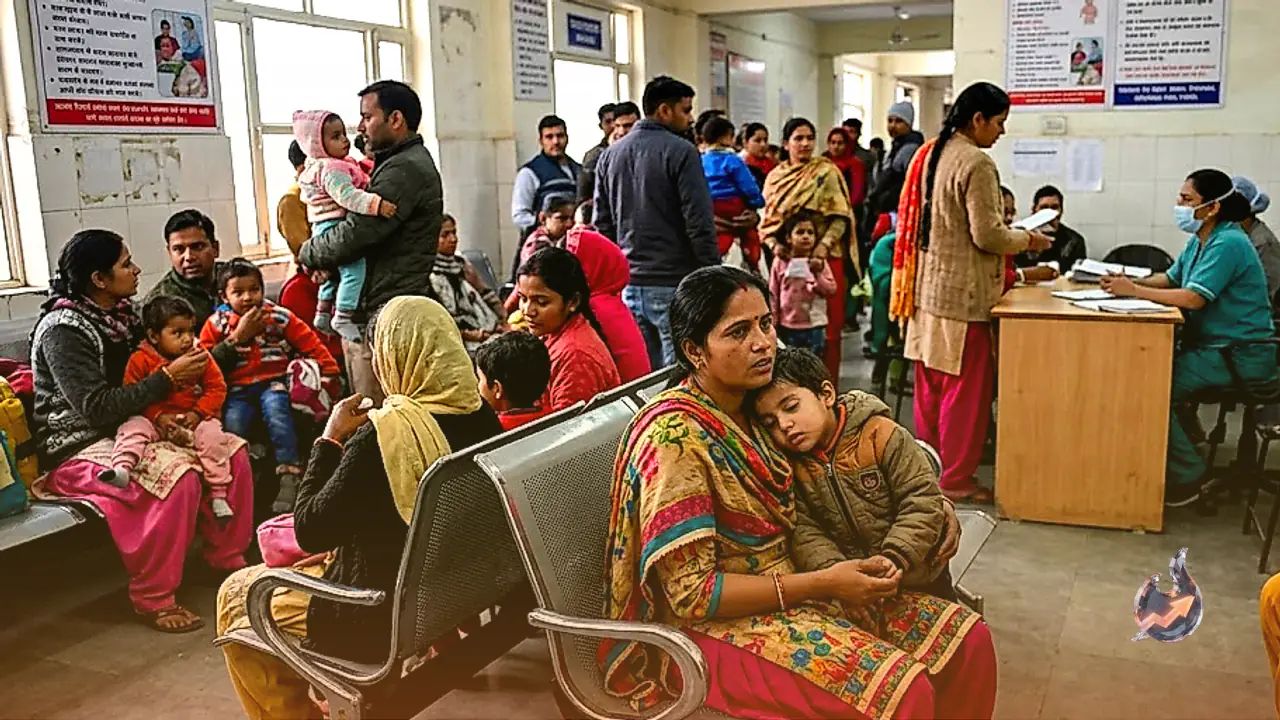
The pediatric OPD at the Ambala City Civil Hospital is witnessing more than 100 children arriving for treatment on a daily basis. Out of these, approximately 60 children are suffering directly from high viral fevers, while others report persistent coughs, colds, throat infections, and digestive issues like diarrhea. According to Dr. Rajita, a homeopathic physician practicing at the Ambala City Civil Hospital, sudden high fever, persistent body aches, frequent sneezing, running noses, sore throats, and difficulty swallowing are primary indicators of viral infections in children. Additional warning signs include lethargy, unusual irritability, reduced appetite for milk or meals, frequent vomiting, and upset stomachs. Parents must seek immediate medical help if a child appears excessively listless, experiences breathing difficulties, or shows signs of dehydration. Beyond children, elderly residents are also increasingly reporting complaints of coughs, colds, fevers, and aggravated joint pains due to the weather fluctuations.
Expert Recommendations and Preventative Care
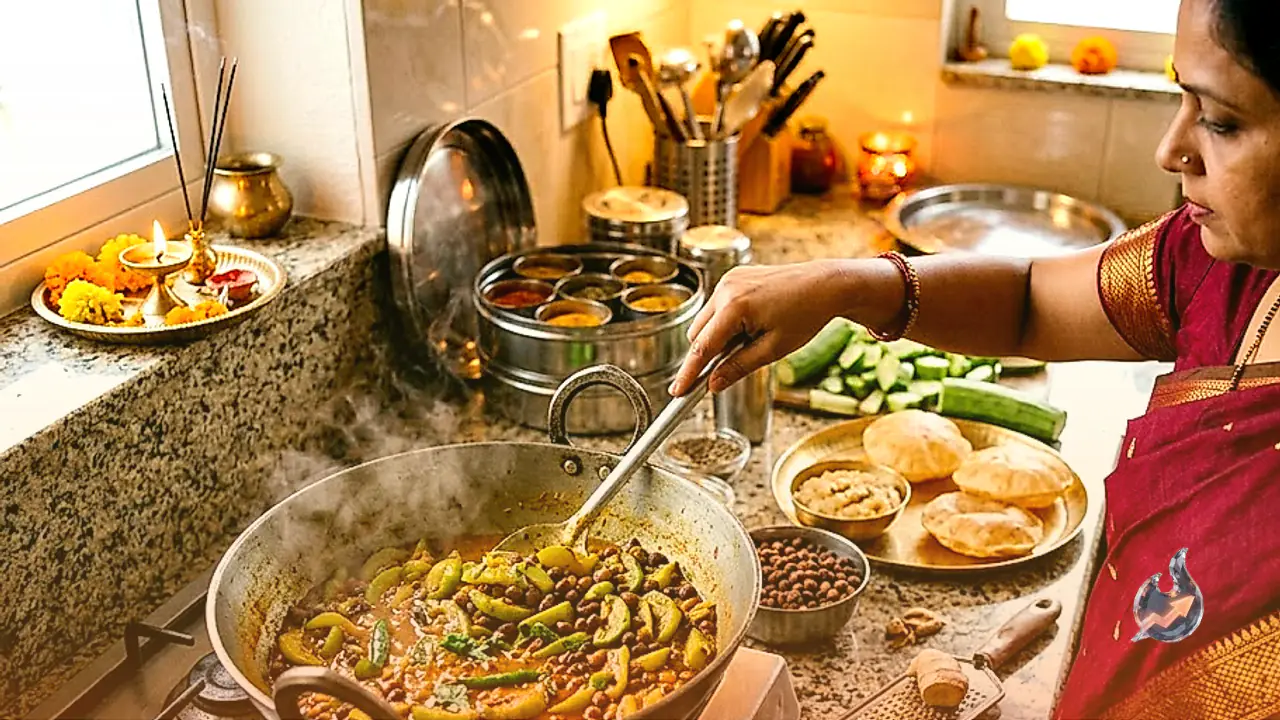
Safeguarding the health of children and senior citizens requires special precautions during this transitional weather phase. Medical experts advise that winter clothing and mattresses should be thoroughly sun-dried before being brought back into use. Families should avoid taking children into crowded public areas while ensuring they consume adequate fluids to stay hydrated. Dietary habits demand strict attention, requiring a complete avoidance of open street food in favor of fresh, home-cooked meals. Green leafy vegetables, fresh fruits, and salads should form an integral part of daily nutrition. Children should be dressed in full-sleeve garments suited to the ambient temperature during mornings and evenings. Care must also be taken to prevent sudden transitions from air-conditioned or fan-cooled rooms straight into warm outdoor environments.
Medication Safety and Dietary Guidelines
Children should be given pure drinking water to prevent any risk of dehydration, while nutritious broths and other fluids can be administered as needed. Stale, exposed, or unhygienic food items must be strictly kept away from children's diets. Crucially, parents are strongly cautioned against administering antibiotics or other strong medications to children without consulting a qualified doctor when a fever occurs. While herbal infusions featuring basil, ginger, and black pepper can be beneficial for adults, administering any home remedies or herbal concoctions to young children requires prior medical consultation. Whenever children exhibit prolonged body aches, high fevers, or persistent respiratory discomfort, ignoring these symptoms can prove dangerous, making timely professional medical intervention essential.