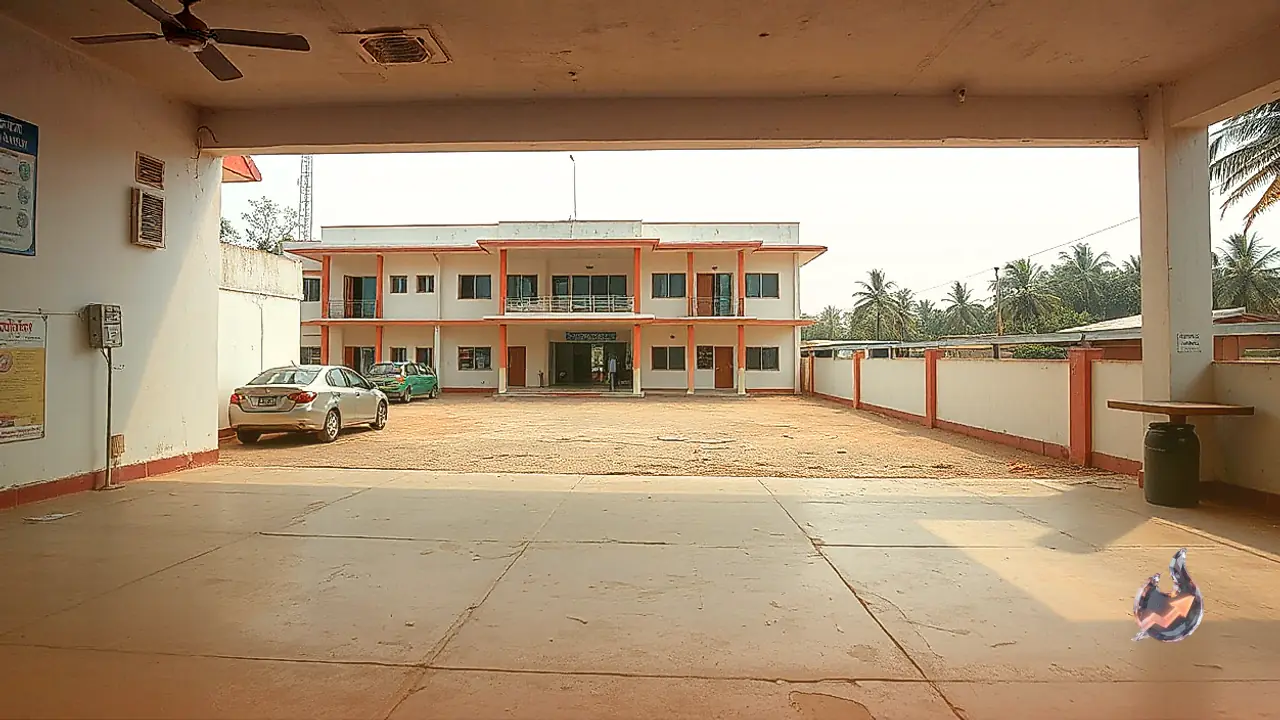























Patients visiting the District Womens Hospital in Gorakhpur can now access rapid and high-precision pathology diagnostic services without spending large sums at private clinical laboratories. To ensure prompt medical intervention and modern diagnostic capabilities, the hospital authorities have deployed an advanced artificial intelligence-powered pathology testing system. This technological upgrade eliminates the need for patients to travel between multiple diagnostic units while drastically cutting down long waiting times for critical test results.
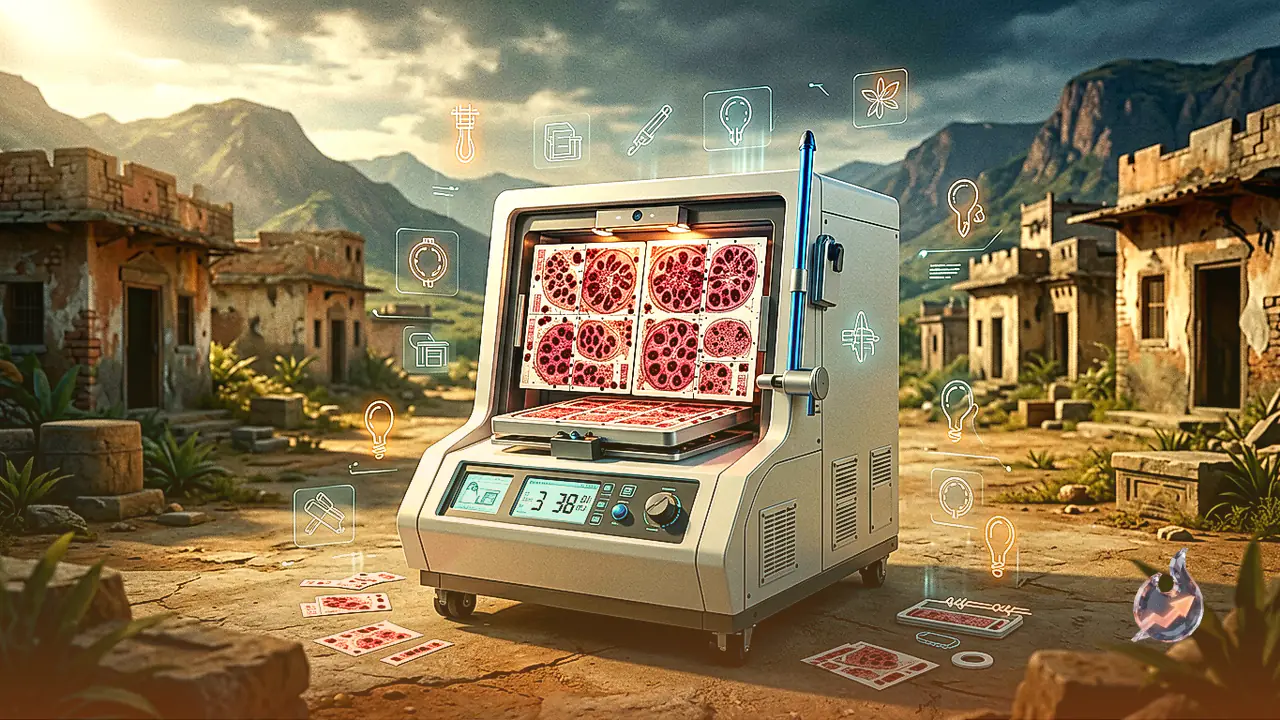
As part of the initiative to modernize public healthcare infrastructure, the hospital pathology room has been equipped with a cutting-edge device designated as the Sixtuple AI-100. Complex blood and urine tests that typically cost patients anywhere from Rs 500 to Rs 3,000 at commercial private diagnostic centers are now accessible inside the government hospital premise. This development delivers substantial financial relief to economically weaker families and women arriving from surrounding rural regions.
Automated Microscopic Analysis Streamlines Diagnostic Workflows
Installed inside the central laboratory room of the hospital, the automated AI system conducts microscopic evaluations of blood and urine specimens with minimal human manual interference. Once lab technicians place a sample slide inside the unit, the machine scans the specimen and generates high-resolution digital images. These digitized microscopic files and analytical findings are instantly pushed to the designated pathologist mobile device for immediate verification and sign-off.
Elaborating on the technical scope of the setup, hospital SIC Dr. Anil Jha explained that the system evaluates diverse pathology parameters, including various clinical classifications of anemia. The automated technology significantly minimizes the labor-intensive requirement for pathologists to sit in front of traditional microscopes for long hours inspecting individual slides. Under conventional testing procedures, patients often had to wait several hours or up to 24 hours to receive their laboratory results. With the new equipment operating, this turnaround time has been dramatically compressed, enabling emergency diagnostic reports to be prepared and delivered in approximately one hour.
Rs 38 Lakh Investment with Plans for 11 Additional Units
The state-of-the-art diagnostic unit was procured and set up at an expenditure of approximately Rs 38 lakh. It is currently operating on an initial trial run at the District Womens Hospital to evaluate its operational efficiency, durability, and diagnostic reliability. Based on the utility and clinical feedback observed during this trial phase, the Health Department plans to acquire 11 more AI pathology machines. These upcoming units will be distributed across multiple regional health facilities and community centers, ensuring wider coverage for patients across the district.
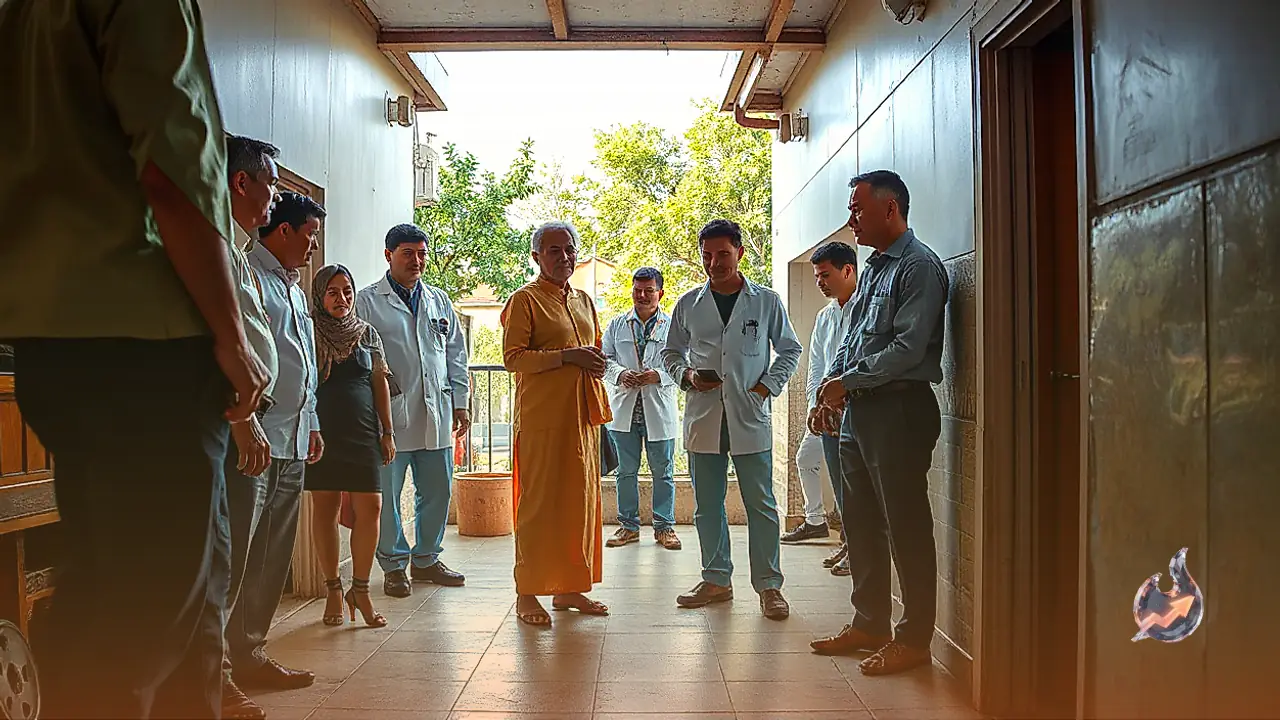
To assess the performance standards and technical efficiency of the newly introduced device, DM Deepak Meena personally visited the facility and reviewed the entire pathology workflow. Administrative authorities are actively monitoring the daily operational metrics of the system. During these initial implementation days, the machine is processing between 15 and 20 sample tests on a daily basis. As the usage scales up, this AI-driven approach is expected to bring speed, transparency, and enhanced reliability to public health diagnostic infrastructure.