





















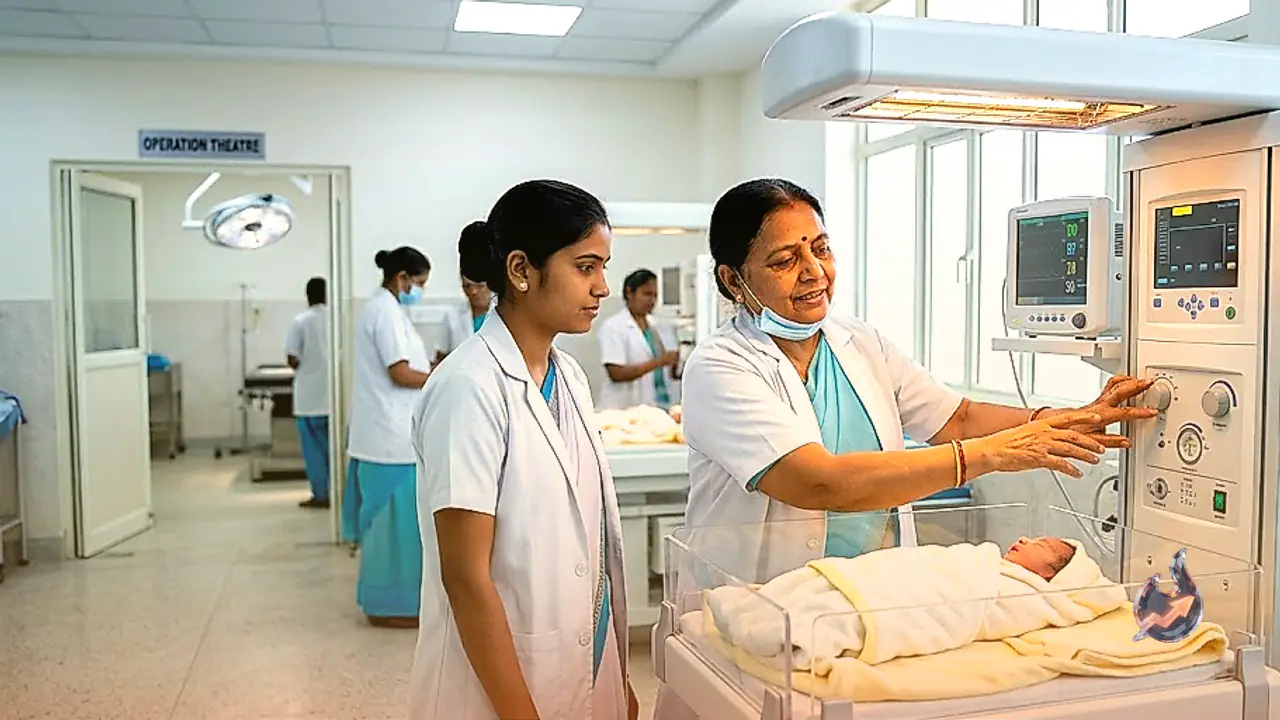

The rural healthcare infrastructure in the Azamgarh district of Uttar Pradesh has received a massive upgrade, bringing immense relief to expecting mothers and their families. Pregnant women residing in remote villages will no longer have to rush to the district headquarters' Women's Hospital during medical emergencies or complicated labors. In a crucial step aimed at ensuring maternal safety and reducing infant mortality, the health department has rolled out cesarean (c-section) delivery services at local community health centers. This initiative eliminates the need for long, risky journeys during critical moments of childbirth.
Eight CHCs Upgraded to First Referral Units
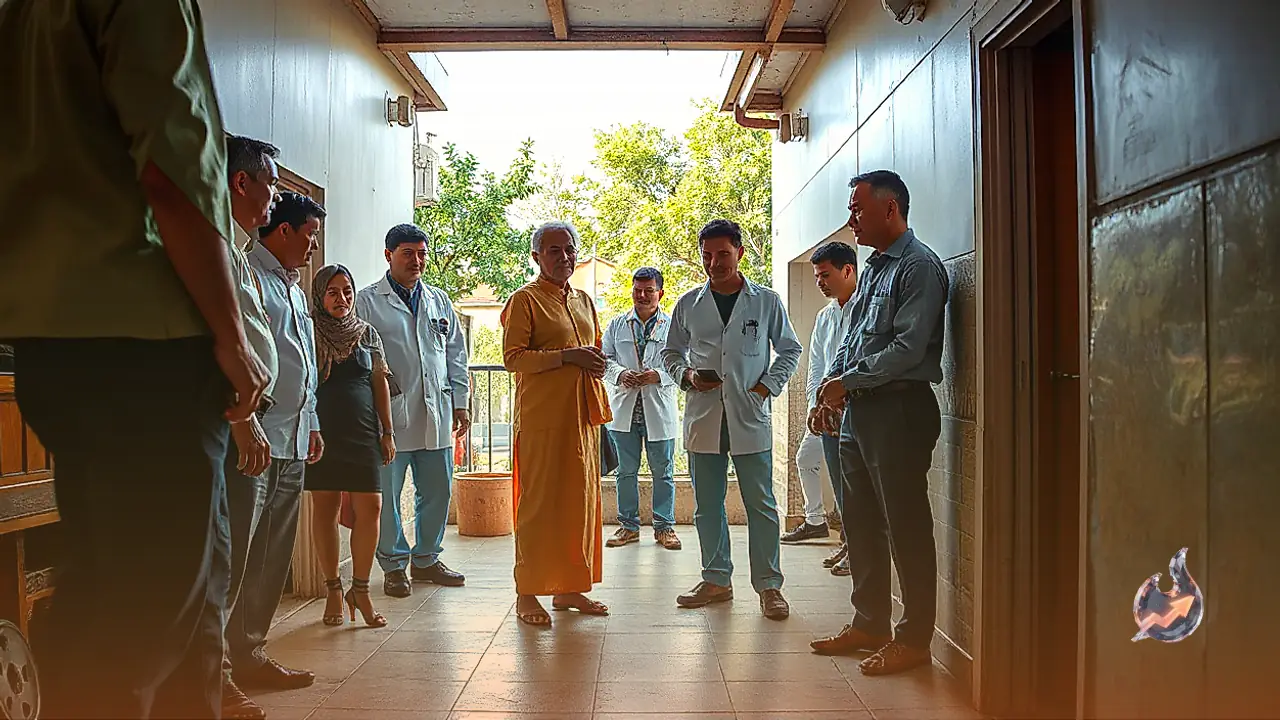
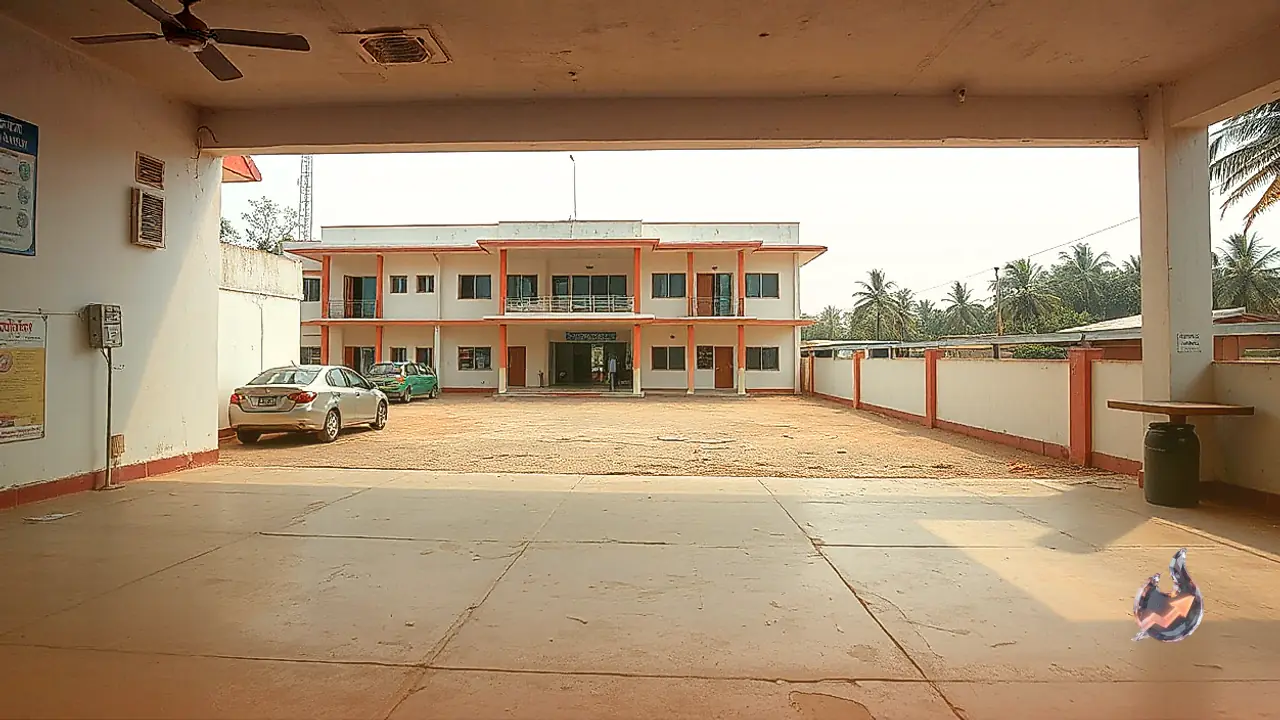
Shedding light on this major development, Azamgarh's Additional CMO, Dr. Uma Sharan Pandey, stated that the health department has officially identified and upgraded eight prominent Community Health Centers (CHCs) as First Referral Units. Fully functional operation theaters have been set up and are currently operating at these designated locations. The selected facilities include the Mubarakpur CHC, Bilariaganj CHC, Koyal CHC, Lalganj, Mehnagar, and Phulpur CHCs, along with the 100-bed hospitals in Atraulia and Deogaon. These centers are now equipped with the necessary surgical infrastructure and trained medical staff to handle obstetric emergencies.
Saving Crucial Time During Medical Emergencies
Dr. Pandey explained the life-saving impact of this move, noting that previously, any severe or complicated cases arriving at primary health centers had to be referred directly to the city hospital. The travel time involved in reaching the district headquarters often proved dangerous for both the mother and the unborn child. Under the new system, pregnant women facing complex situations can receive immediate, localized care. If a normal delivery is not viable, doctors can instantly perform a cesarean section right at the local CHC. This decentralization of surgical care saves precious time during emergencies and guarantees swift, life-saving medical intervention.
NBSU and Phototherapy for Newborns
In addition to enhancing maternal care, comprehensive arrangements have been made at all eight centers to treat vulnerable newborns. To provide critical care to infants who experience breathing difficulties at birth, or those born prematurely, New Born Stabilization Units (NBSU) have been established. Furthermore, phototherapy machines have been installed to effectively treat neonatal jaundice locally. This ensures that sick infants receive specialized pediatric care immediately, drastically reducing the necessity of transferring fragile babies to distant pediatric wards.
Construction of 51 New Health Sub-Centers
Looking ahead, the health department has laid out plans to further expand the medical network across the district. A proposal has been passed for the construction of 51 new health sub-centers in various rural pockets of Azamgarh. Officials expect the construction work to be completed soon. Once operational, these sub-centers will bring basic first aid, immunization programs, and essential maternal monitoring closer to the doorsteps of villagers, ensuring comprehensive health coverage for the most remote communities.