























Cervical cancer patients in Bihar no longer need to travel to other states or big cities for advanced treatment, since Patna's Jai Prabha Medanta Superspecialty Hospital is now successfully treating cases ranging from early stage to advanced stage. The hospital sees around 20 cervical cancer patients walking in every month, and roughly 200 patients have been successfully treated there over the past year.
How image guided brachytherapy works
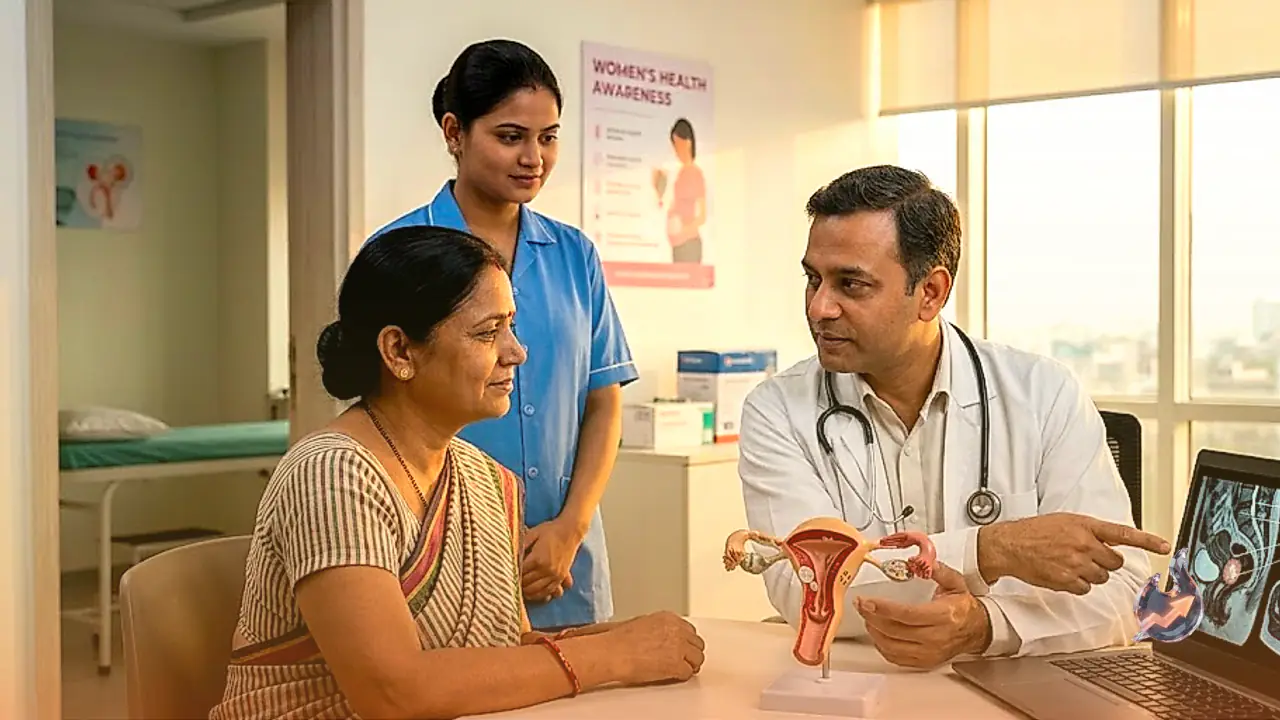
The technique behind this success is called image guided brachytherapy. Dr. Tejas Pandya, consultant in the radiation oncology department at Medanta, explains that brachytherapy has proven to be an extremely effective method for treating cervical cancer. The radiation delivering device is placed right next to the tumour itself, allowing a highly precise dose to hit the cancer directly while shielding nearby healthy organs such as the bladder and rectum from damage. Doctors use imaging to design a treatment plan tailored to each patient's anatomy and the stage of their disease, which makes the therapy both safer and more effective.
Treatment takes about eight weeks to complete
According to Dr. Pandya, radiation therapy forms the backbone of cervical cancer treatment, and most patients require it at some stage. Treatment usually begins with external beam radiation therapy, or EBRT, which continues for around 5 to 6 weeks. Brachytherapy follows next, given once a week and typically completed in 3 to 4 sessions. Taken together, the entire course of treatment runs for close to 8 weeks.
Recovery odds shift with the stage of disease
Dr. Pandya notes that patients who reach the hospital at an early stage have around a 90 percent chance of full recovery. That likelihood drops as the cancer advances, but even patients diagnosed at stage 3 or stage 4 can see the disease brought under control in 50 to 60 percent of cases if they receive timely, appropriate treatment. In other words, a late diagnosis does not mean all hope is lost.
Early warning signs of cervical cancer
Cervical cancer is commonly referred to as cancer of the mouth of the womb. Dr. Pandya says its early symptoms include unexplained vaginal bleeding, bleeding even after menopause, and bleeding after intercourse with a partner. None of these signs should be brushed aside.
When the disease spreads, symptoms change
If the cancer advances and spreads to other parts of the body, the symptoms shift accordingly. For instance, if it reaches the lungs, patients may start coughing up blood, while spread to the bones causes persistent pain in the affected area. Dr. Pandya says these signs point toward an advanced stage of the disease and should never be ignored. His advice is to see the nearest oncologist immediately if any of these symptoms appear, since the earlier the disease is caught, the higher the chances of successful treatment. He adds that even among patients who reach an advanced stage, roughly 6 out of every 10 can recover fully if they get the right treatment at the right time.
Brachytherapy Awareness Day observed on July 17
Brachytherapy Awareness Day is marked every year on July 17, reflecting how central the technique has become to cervical cancer care, so much so that treatment is often considered incomplete without it. To mark the occasion, Jai Prabha Medanta Superspecialty Hospital organised a workshop for doctors and health workers to exchange knowledge about the benefits of brachytherapy, the modern techniques involved, and the advantages it offers patients. Radiation oncologists, medical physicists, oncology specialists and postgraduate students from Bihar and several other states took part in the workshop.