






















When lips begin to feel uncomfortably tight, dry, or cracked right after applying a favorite lip shade, the product itself might not be the sole culprit. The skin covering our lips is remarkably thin and completely lacks oil glands, making it far more vulnerable to moisture loss than the rest of the face. A mix of specific additives in formulas, preexisting dryness, environmental exposure, and everyday habits can trigger flaking and irritation. In particular, wearing long-lasting matte formulas often exacerbates this discomfort, leaving the surface feeling inflamed and stressed.
Fragrances, Flavors, and Preservative Sensitivities
Many cosmetic lip formulations incorporate added fragrances, flavoring components, and chemical preservatives to maintain shelf stability and sensory appeal. For individuals with sensitive skin, these additives can easily trigger localized allergic reactions or contact irritation. Such sensitivities frequently manifest as itching, redness, persistent dryness, and flaky buildup along the lip line. If you notice that an identical reaction flares up every single time you apply a specific shade, setting that particular tube aside is the most effective way to protect your delicate barrier.
Frequent Wear of Long-Lasting Matte Formulas
According to the American Academy of Dermatology (AAD) and the Cleveland Clinic, long-wear formulas provide impressive staying power, yet certain matte options tend to extract vital hydration from the skin. Matte products rely on higher concentrations of pigment and waxes with minimal emollient oils, which can sap existing moisture from already parched lips. Applying these heavy layers on a daily basis over naturally dry lips accelerates cracking and peeling. Creating a protective barrier with a light layer of moisturizing balm prior to color application can help, provided the balm itself causes no burning sensations.
The Reflexive Habit of Licking Dry Lips
When uncomfortable dryness sets in, many individuals instinctively lick their lips to restore suppleness. While this reaction provides momentary relief, saliva evaporates rapidly into the surrounding air. As saliva vanishes, it strips away what little natural moisture remained on the surface, while digestive enzymes in the saliva further irritate the fragile outer tissue. Rather than relying on saliva, keeping a simple hydrating lip balm or a sheer layer of petroleum jelly close at hand offers reliable physical shielding against moisture evaporation.
Harsh Scrubbing During Makeup Removal
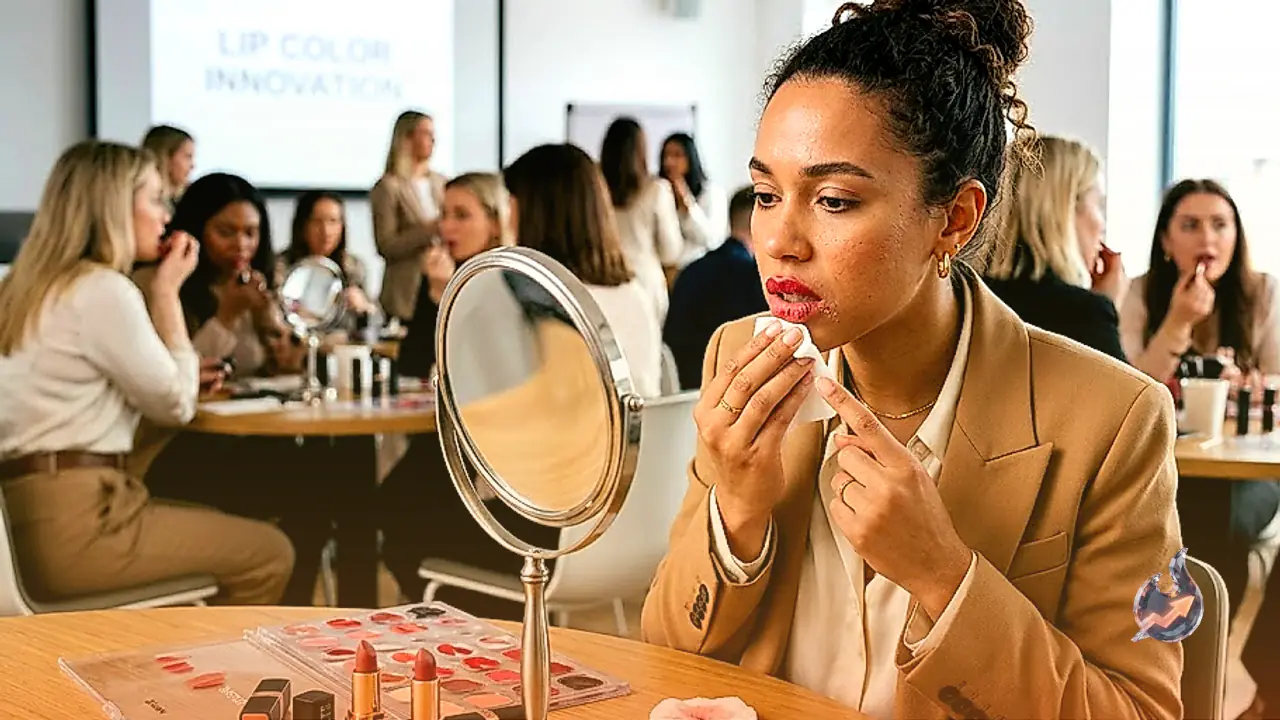
Clearing away high-pigment shades requires just as much care as putting them on. A widespread mistake is aggressively rubbing the lips with rough cotton rounds or coarse washcloths to banish stubborn, waterproof pigments. This harsh mechanical friction abrades the tender epithelial tissue, causing micro-tears, stinging, and visible raw patches. To lift pigment gently, use a mild, skin-safe makeup remover or cleansing oil, working slowly with soft wiping motions rather than applying abrasive pressure.
Weather Elements and Dehydration Triggers
In many situations, lip distress does not originate with makeup at all, but rather from external conditions and hydration deficits. Chilly winter winds, arid ambient air, prolonged sun exposure, and inadequate daily water intake strip essential hydration from the lips long before color is applied. Once pigment settles over dehydrated skin, underlying cracks and flakes become far more prominent. Applying a plain emollient balm throughout the day and using a sun-protective lip treatment during outdoor activities can shield the barrier. However, if you experience ongoing swelling, severe burning, intense itching, red rashes, sores, or persistent crusted peeling, do not dismiss it as basic winter dryness, as it may signal contact dermatitis or a cosmetic allergy.