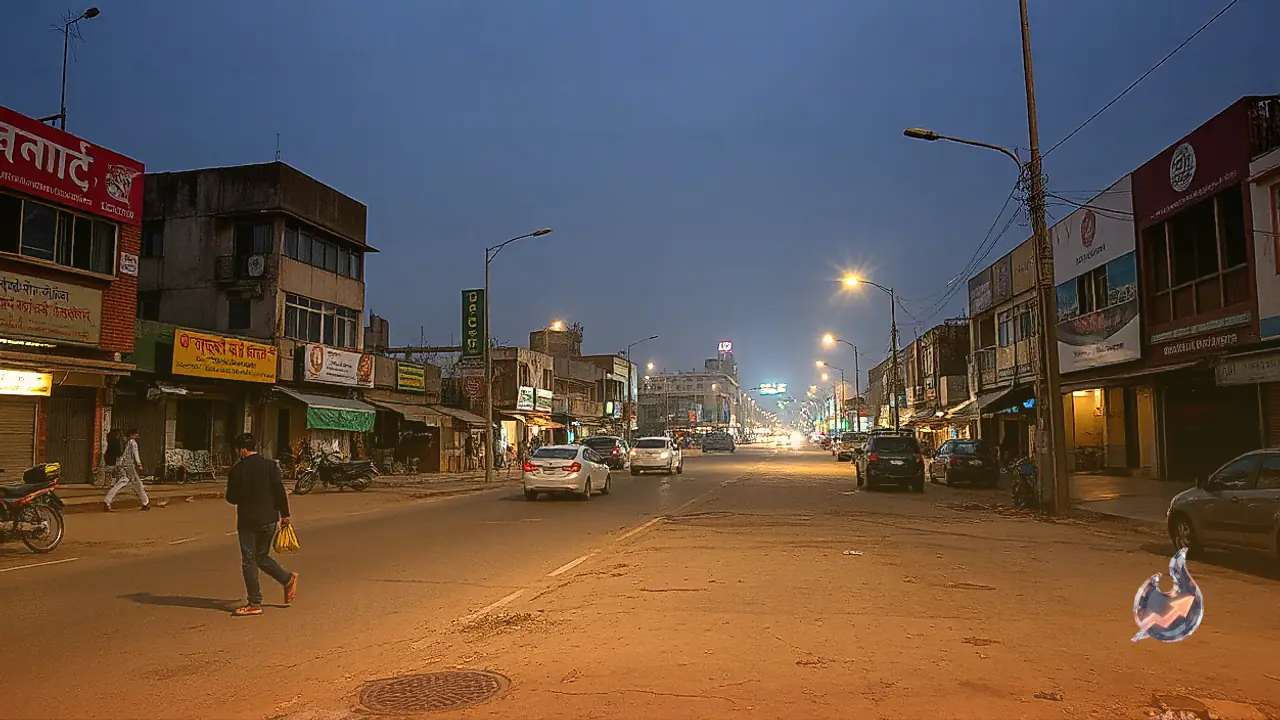























Continuous rainfall across Meerut and several other districts in Western Uttar Pradesh has significantly disrupted daily life. Prolonged exposure to rain and staying drenched for hours have led to a noticeable surge in skin related ailments among local residents. As a result, patients suffering from various skin issues are flocking to the Dermatology Department at Lala Lajpat Rai Medical College as well as the District Hospital. To address these growing health concerns, Dr. Amarjeet Singh Verma, Head of the Department of Dermatology and Venereology at Lala Lajpat Rai Medical College Meerut, has shared vital insights on how to protect the skin during the monsoon season.
Rising Threat of Fungal Skin Infections in Rainy Weather
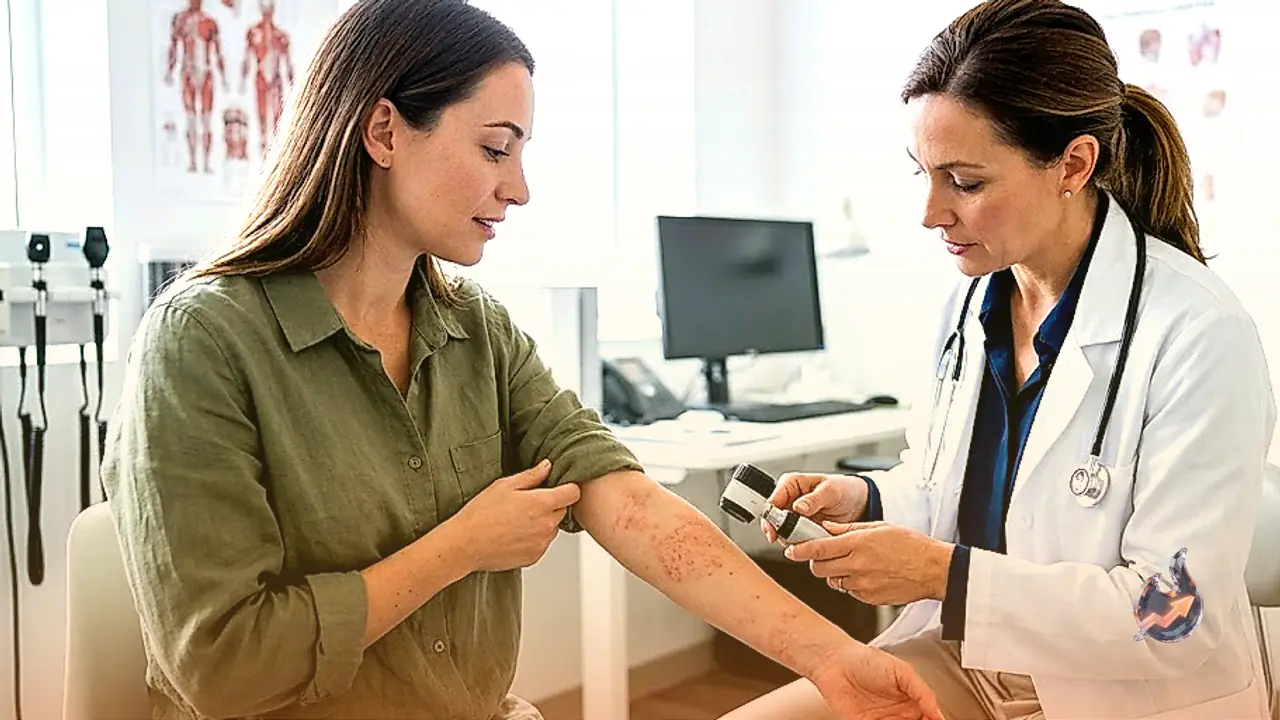
The high level of humidity during the rainy season creates ideal conditions for fungal infections to thrive on the skin. According to Dr. Amarjeet Singh Verma, prolonged dampness on the body causes small red rashes or ringworm patches to develop on the skin. These patches are accompanied by severe itching. Patients frequently scratch these infected areas, which worsens the skin condition and causes the infection to spread rapidly across other parts of the body.
Why Prompt Medical Consultation Is Crucial
Dr. Amarjeet Singh Verma emphasized that individuals experiencing skin irritation, red spots, or persistent itching should refrain from treating themselves and instead consult a qualified dermatologist immediately. Affected individuals can visit the Dermatology Department at Lala Lajpat Rai Medical College or see a certified skin expert. Delaying professional medical attention can turn a minor infection into a chronic problem that requires prolonged treatment to cure completely.
Essential Preventive Steps After Getting Wet in Rain
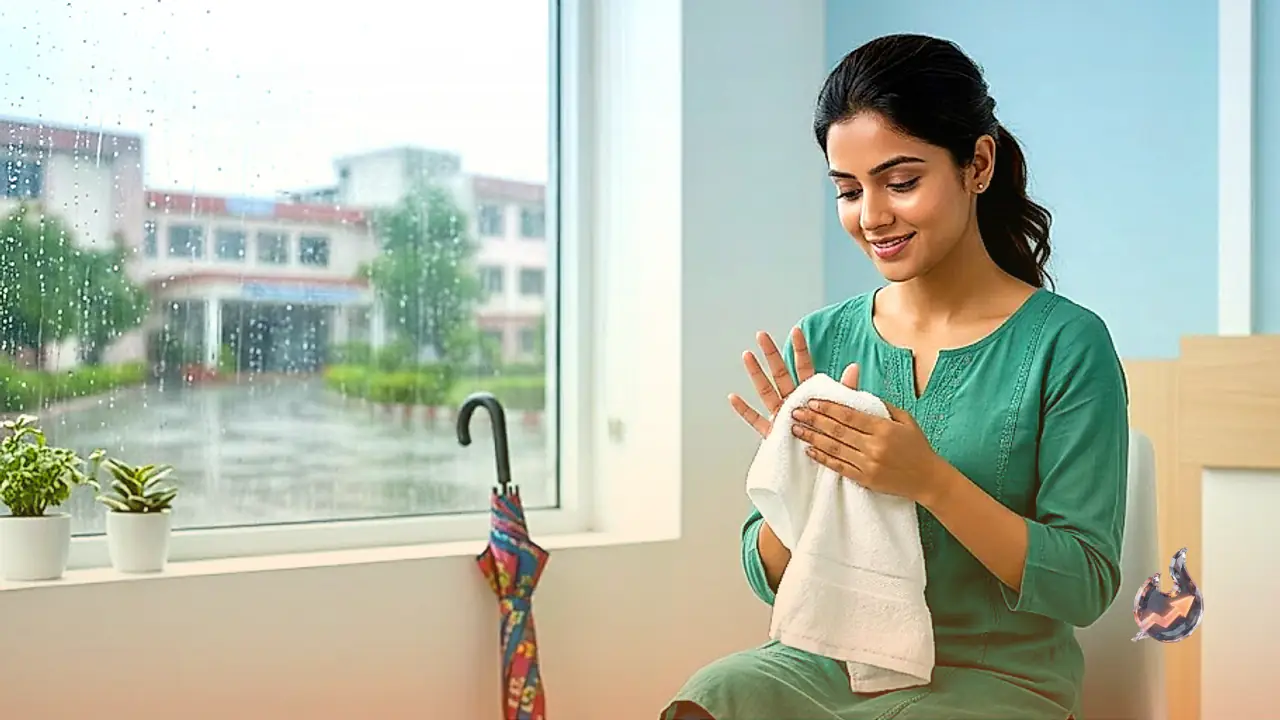
For those who get soaked in rain, taking immediate hygienic precautions is essential. After reaching home, individuals should immediately bathe with clean water and dry their body thoroughly with a clean towel before putting on fresh, dry clothes. Dr. Verma stressed that no part of the body should remain damp, as lingering moisture greatly increases the risk of fungal growth. Keeping the skin completely dry is one of the most effective ways to prevent fungal flareups.
The Dangers of Self Medication and OTC Creams
A common mistake many people make when facing skin issues is purchasing over the counter medications or topical creams directly from chemist shops. Dr. Amarjeet Singh Verma cautioned against this practice, explaining that every individual has a unique skin type. Using inappropriate or strong medications without a medical prescription can aggravate skin damage severely. Consulting a specialist ensures proper diagnosis and faster recovery. Currently, both Lala Lajpat Rai Medical College and the District Hospital in Meerut are witnessing a steady increase in patient footfall for fungal and seasonal skin infections.