























Chopping boards are an indispensable fixture in modern kitchens, utilized daily for slicing everything from fresh fruits, vegetables, and paneer to raw chicken and meat. However, continuous knife impact inevitably leaves tiny scores, deep scratches, and microscopic crevices across the surface. While many households simply wipe down the board with a damp dishcloth or rinse it quickly under cold water, health experts warn that this routine is severely inadequate. Trapped food debris combined with residual moisture transforms these hidden cuts into thriving breeding grounds for dangerous bacteria, posing a hidden threat to everyday family health.
Infection Risks and Medical Experts' Warnings
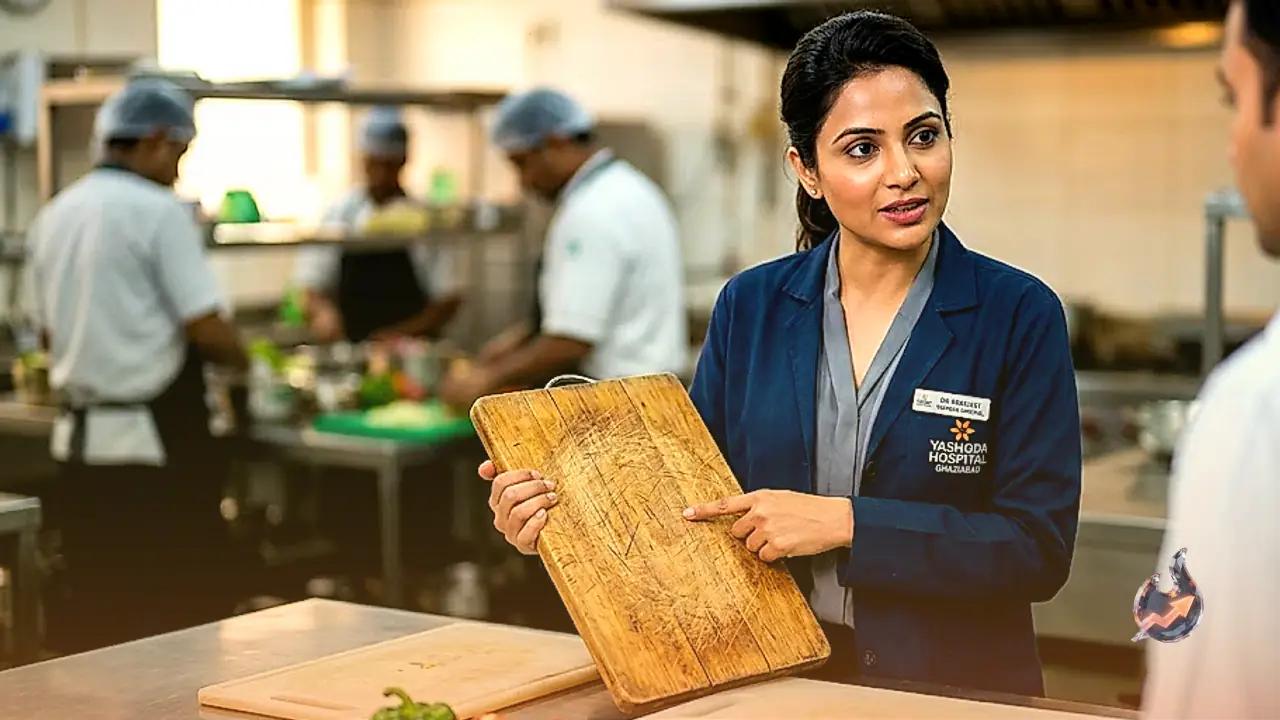
According to Dr. Bhavjeet, an Internal Medicine specialist at Yashoda Hospital in Ghaziabad, the knife gashes and cracks on a chopping board present serious health risks if neglected. When food items are chopped on a worn surface, minute organic particles embed themselves deep within the crevices. Without meticulous sanitization, harmful bacteria rapidly multiply inside these grooves. Subsequent food preparation on the same board transfers these pathogens directly into ready-to-eat meals, causing severe gastrointestinal infections and digestive distress. Dr. Bhavjeet emphasizes that foodborne infections contracted through contaminated kitchen utensils can be particularly severe for vulnerable individuals, including young children, elderly family members, and pregnant women.
Preventing Cross-Contamination: The Case for Separate Boards
A widespread yet risky culinary habit involves using a single board to process raw chicken or meat and subsequently chopping salad ingredients or vegetables on it. Raw poultry and meat naturally harbor bacteria such as Salmonella and E. coli. Slicing uncooked produce or cooked foods on a board previously exposed to raw meat facilitates the direct transfer of these pathogens, a medical phenomenon known as cross-contamination. To completely eliminate this biological hazard, kitchens should maintain strictly separate chopping boards: one reserved exclusively for raw poultry and meat, and another designated solely for vegetables, fruits, and dairy items like paneer.
Proper Washing and Thorough Drying Protocols
Rinsing a chopping board with plain water fails to eliminate embedded microbes. After every single use, the board must be scrubbed vigorously with hot water and dishwashing soap. Using a dedicated brush or sponge, scrub the entire surface, paying extra attention to deep knife scores and scratches to dislodge stubborn food particles lodged deep within the material. After a thorough clean-water rinse, drying the board completely is vital. Never store a damp chopping board inside closed cabinets or drawers, as dark, unventilated spaces accelerate bacterial growth. Instead, place the board upright in a well-ventilated area where air circulates freely until it is bone dry.
Maintaining Clean Sponges and Hand Hygiene
The tools used to clean kitchen utensils require equal scrutiny. If the dishwashing sponge itself is grimy or saturated with bacteria, scrubbing the board will merely redistribute microbial contaminants across its surface. Sponges must be disinfected regularly with hot water and replaced periodically. Furthermore, after washing a chopping board that has come into contact with raw poultry or meat, individuals must thoroughly wash their hands with soap and water for at least 20 seconds. Unwashed hands can easily transfer meat-borne pathogens to other kitchen surfaces, cutlery, or prepared food.
When to Retire and Replace a Damaged Chopping Board
Despite regular cleaning, every chopping board reaches the end of its hygienic lifecycle. If a board develops deep grooves, pitted surfaces, or extensive cracking where food particles repeatedly get trapped, it must be discarded and replaced immediately. Deeply scarred plastic or wooden boards become practically impossible to sanitize effectively, as cleaning agents cannot penetrate the narrowest fissures where bacteria reside. Regularly inspecting the physical condition of your kitchen chopping boards and replacing severely worn items is a fundamental step toward maintaining a safe, hygienic kitchen environment.