























With the arrival of the monsoon season, the weather turns pleasant and offers relief from summer heat, but it also brings a significant rise in health risks for children. High humidity during rains creates an ideal environment for bacteria, viruses, and fungi to multiply rapidly. Contaminated drinking water and compromised food quality often lead to stomach infections, diarrhea, food poisoning, typhoid, and abdominal pain among young kids. Since children's immune systems, digestive tracks, and respiratory functions are still developing, they are considerably more vulnerable to seasonal illnesses than adults. Taking extra precautions regarding diet and hygiene becomes crucial during this time.
Incorporate Essential Protein for Growing Children
During their growth phase, children require adequate amounts of protein to support body development and cell repair. Dietitian Mamata Pandey, based in Satna, emphasizes that parents should include protein-rich foods such as lentils, paneer, milk, and thoroughly cooked eggs in their children's daily meals during the monsoon. Protein plays a vital role in building muscle strength and strengthening the immune defense mechanism. It is important to offer meals that are both wholesome and easy to digest so that the child's system is not overloaded during the rainy months.
Use Spices Responsibly to Enhance Immunity
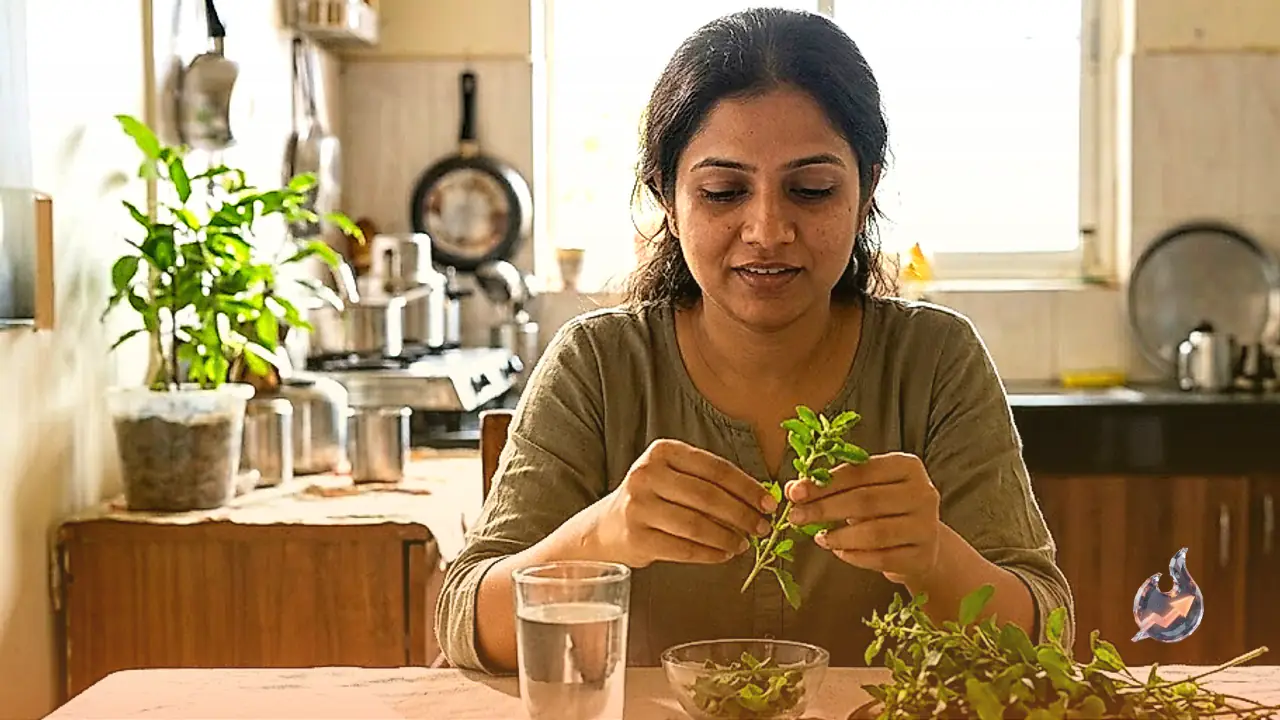
Certain traditional kitchen spices can act as natural shields against seasonal infections when used in moderation. The dietitian recommends incorporating minor quantities of turmeric, ginger, cinnamon, cardamom, and fennel into children's food. These spices possess anti-inflammatory and antimicrobial properties that help ward off germs. Adding a tiny fraction of turmeric or ginger to soups, porridge, or milk works well. For older kids drinking milk at bedtime, a subtle pinch of turmeric can be added. Furthermore, adding small amounts of garlic and ginger to warm soups enhances both taste and nutritional value.
Avoid Open Street Food and Cut Fruits
Street food, deep-fried snacks, and pre-cut fruits sold in open markets should be completely avoided during the rainy season. Excessive humidity and ambient dirt allow harmful microorganisms to breed quickly on exposed food items. Unwashed raw salads and improperly cleaned ingredients can easily transmit infections. Offering freshly cooked, hot meals prepared at home remains the safest strategy to keep children healthy throughout the monsoon.
Steer Clear of Stale and Heavy Foods
It is not just commercial street food that poses a risk; stale food stored at home, overly chilled items from the refrigerator, and heavily fried or spicy dishes can also disturb a child's stomach. Digestion naturally slows down during the humid monsoon, making heavy meals difficult to process. Parents should aim to serve freshly cooked, warm food for every meal. Dishes like light moong dal khichdi, porridge, dal-rice, and clear soups serve as easy-to-digest and nourishing meal choices.
Prioritize Water Safety and Kitchen Hygiene
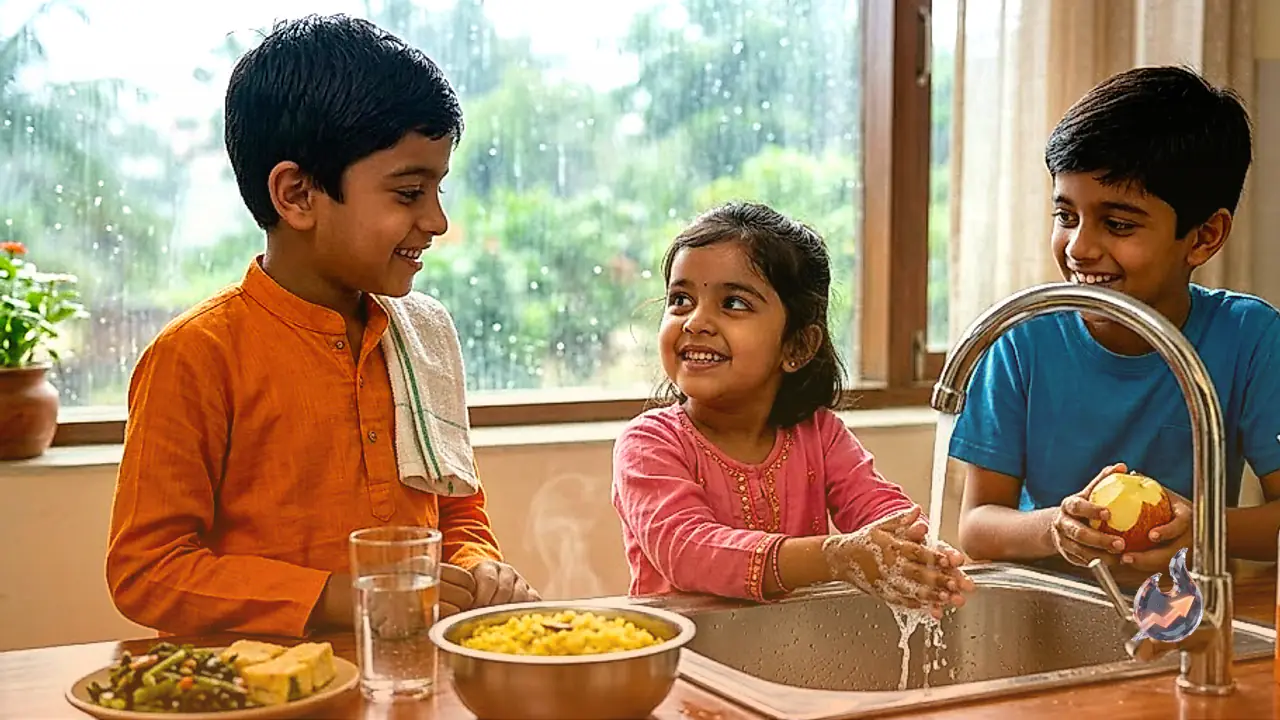
Unsafe drinking water is one of the primary carriers of waterborne diseases during rains. Parents must ensure children consume only safe, clean water. If there is any doubt regarding water quality, it should be boiled thoroughly and cooled or served lukewarm. Avoid unverified water sources outside the home. Fresh vegetables, particularly leafy greens, must be washed meticulously under clean water before cooking. Additionally, children should be encouraged to wash their hands with soap before meals and after using the restroom. Food items should always be kept covered, and strict cleanliness must be maintained in the kitchen to shield kids from seasonal infections.