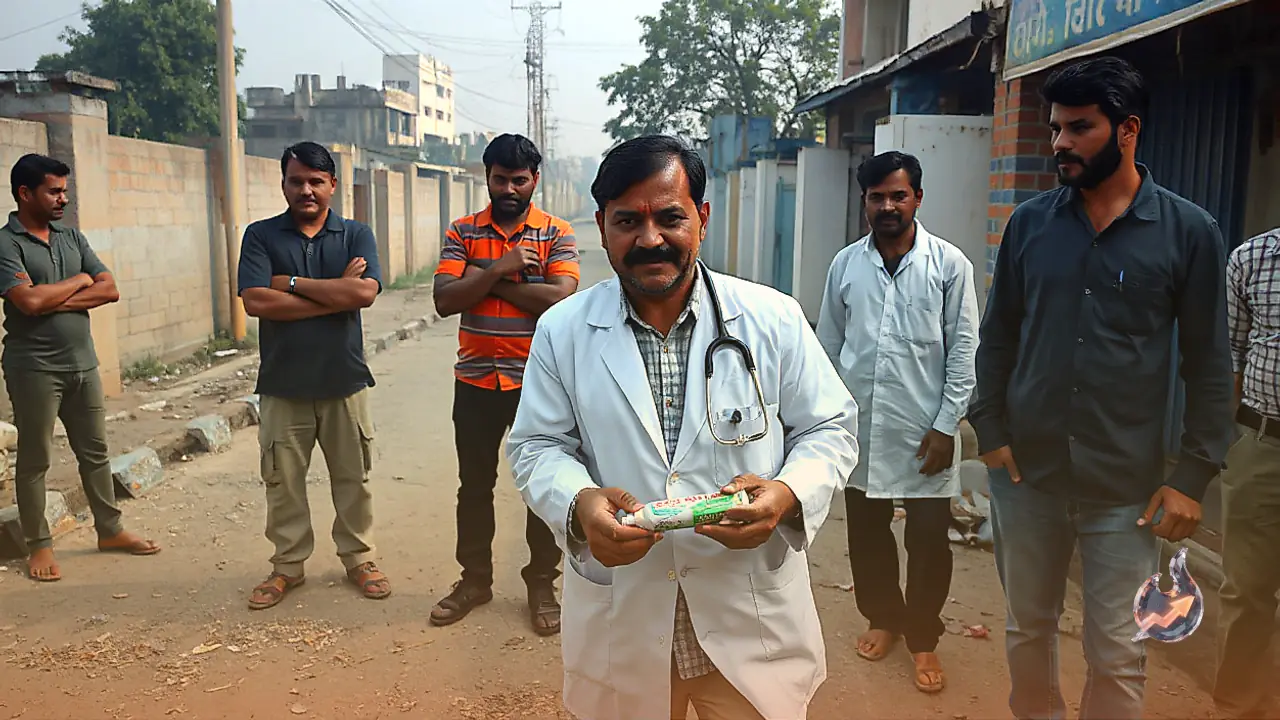
























According to Dr. Sumant Kumar Gupta, swine flu is a viral illness that primarily presents with symptoms such as cold, fever, and generalized body aches. In certain children, the condition can also trigger complications like diarrhea, requiring careful monitoring by families and caregivers during the recovery period.
Risks of Delayed Medical Intervention
Medical experts emphasize that failing to secure timely medical treatment for swine flu can lead to severe health complications. Therefore, individuals who notice any initial signs of the illness must consult a qualified physician immediately to initiate proper clinical management.
High-Risk Groups And Vulnerable Populations
People suffering from underlying conditions like diabetes and hypertension are strongly advised to exercise extra caution against the virus. Individuals with weakened immunity should also seek prompt medical guidance the moment they observe any potential infection symptoms.
Effective Preventive Measures And Hygiene
To protect against swine flu, individuals should wear masks and maintain hand hygiene by cleaning their hands frequently. It is also important to avoid direct contact with infected persons. Furthermore, doctors recommend getting vaccinated on time to build immunity against the virus.
Dietary Guidelines During The Illness
Patients recovering from the illness should consume fresh fruits, green vegetables, and adequate water to maintain proper nutrition and hydration. At the same time, people should avoid heavy, oily foods, stale meals, and fruits that were sliced and left sitting for a long period.