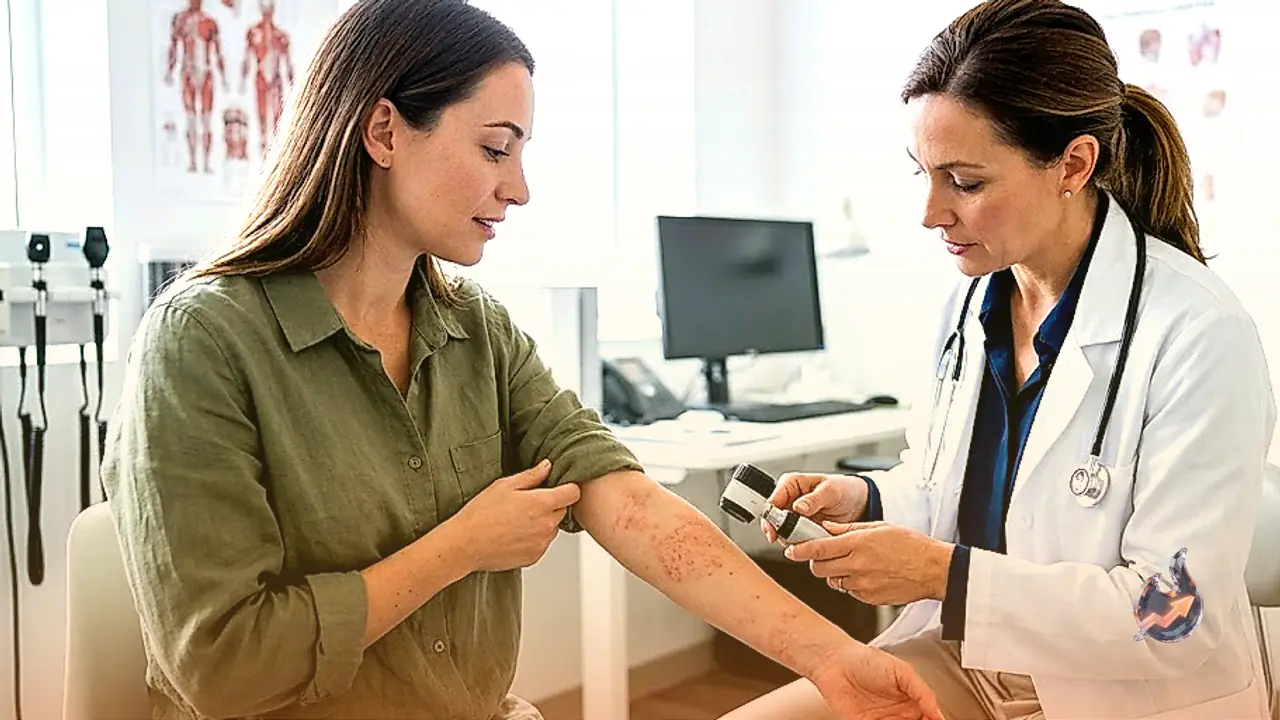

























Skin-related issues are rising rapidly amidst changing lifestyles and environmental factors. People coping with acne, blemishes, and other complexion concerns often seek out various clinical procedures for relief. In this context, skin specialists are shedding light on advanced procedures like hydra treatment and detailing how these sessions work based on individual patient requirements.
Tailored Procedures Based on Skin Needs
Patients arrive with a wide variety of dermatological challenges, meaning a one-size-fits-all approach does not apply to clinical skincare. Dr. Riddhi Pandey explained that procedures are customized according to each individual's skin type and specific condition. Along with hydra treatment, homeopathic medicines are integrated into the routine. This combined method focuses on working directly on the skin while delivering targeted medication based on the root cause of the patient's issue.
Duration of a Typical Session
The complete hydra treatment session generally lasts between 1 to 1.5 hours. Throughout this duration, careful attention is maintained to ensure the patient remains comfortable in a relaxed environment. The procedure involves thorough cleansing of the skin and targeted care for the specific skin concern, followed by the application of required medications.
Determining the Number of Sessions
The total number of required sessions depends entirely on the condition and severity of the patient's skin. If the problem is at an initial or mild stage, the work can often be accomplished in at least two sessions. Conversely, if the condition is advanced or persistent, three or more sessions may become necessary. Furthermore, the interval between sessions is scheduled flexibly keeping in mind the convenience of patients traveling from distant areas, ensuring proper spacing between visits.
Addressing Safety and Side Effects
Regarding potential side effects, the treatment avoids forcing any harsh products onto the skin, tailoring the procedure precisely to what the skin actually requires. The process is regarded as safe when handled properly. However, experts always recommend consulting a qualified professional to evaluate your skin condition before undergoing any skin treatment.