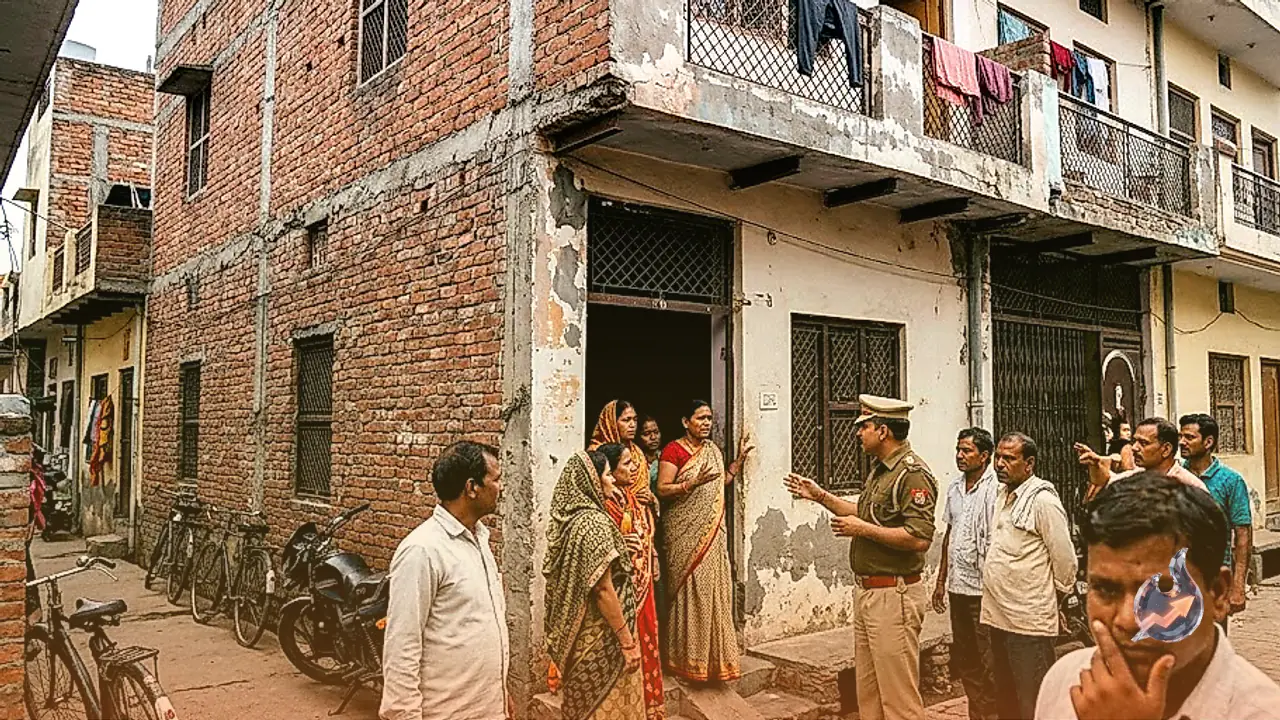



















Administrative preparations and public awareness efforts regarding the upcoming national census are gaining momentum across the country. Beyond merely counting the total population, this extensive process officially records the nation and its rich social and cultural diversity. Within this framework, experts and sociologists emphasize that the religion column must be understood and filled out accurately to prevent any discrepancies in official government records.
Distinguishing Religion, Varna, and Gotra
In everyday conversation, religion, varna, and gotra are frequently lumped together, but from an administrative and constitutional standpoint, each possesses a distinct definition and framework. While religion represents an individual personal spiritual belief and path of worship, varna relates to an ancient classical system that is not queried in modern censuses, and gotra denotes a specific family or ancestral lineage branch.
Foundation for Future Policies and Welfare Schemes
The data recorded during the census serves as the primary foundation for future welfare programs and policy formulation. Under legal frameworks, the constitutional rights of religious minority communities and various welfare initiatives such as scholarships are determined directly through the religion column.
Drawing from Past Experiences and Community Awareness
Reflecting on experiences from previous censuses, various social and religious organizations have continuously worked to educate the public. Surnames like Agrawal or Oswal are castes rather than religions. Instances where individuals mistakenly write specific sects or denominations, such as Digambar, Shambhav, or Kabirpanthi, in the religion column have often skewed the actual data for those communities. Consequently, representatives of Jain, Buddhist, and other communities have consistently urged people to exercise caution while filling out their forms.
The Responsibility of Providing Precise Information
The Let Every Jain Count campaign within the Jain community specifically instructs families to enter only Jain in the religion column rather than specific sects. Because rules dictate that an enumerator is bound to record the religion stated directly by the citizen, providing accurate information remains the personal responsibility of every individual. Incorrect entries in the religion column distort official community statistics, directly impacting policymaking and the implementation of proportional welfare schemes.