























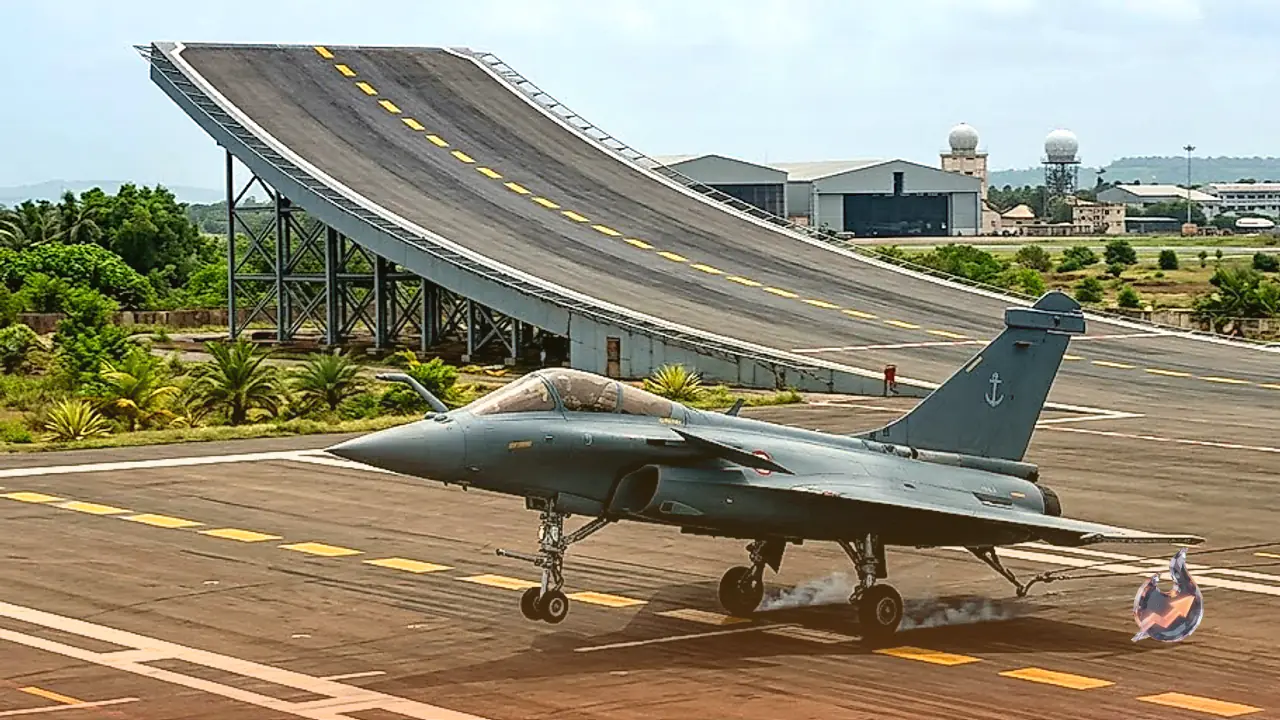

Marking a critical step forward in bolstering oceanic strike power, the Indian Navy has commenced rigorous technical assessments for its future carrier-borne fighter aircraft. The French-built Rafale-Marine has arrived in India, with comprehensive flight testing currently underway at naval aviation facilities in Goa. These intensive evaluations are focused on identifying the specific structural, mechanical, and technical modifications required to operate the sophisticated aircraft directly from the deck of the indigenous aircraft carrier INS Vikrant. The ongoing trials represent a crucial milestone for naval carrier aviation, designed to expand deep-sea interception reach and deliver precise standoff strikes against high-threat adversary positions.
Evaluating Aircraft Dynamics for Carrier Operations
Launching and recovering combat aircraft on a moving carrier deck in open waters presents far greater aeronautical challenges than conventional land-based runway operations. Operating within restricted deck dimensions, navigating shifting ocean swells, utilizing ski-jump flight decks, and managing tailhook arrester gear forces require an airframe engineered to endure massive mechanical stress. During the ongoing evaluation campaign in Goa, technical teams are methodically analyzing how the Rafale-M interfaces with the arrestor cables and ski-jump ramp profiles representative of Indian carrier flight decks. The assessment will clearly identify any fine-tuning or software adjustments necessary to ensure that the aircraft achieves optimal operational performance when deployed from INS Vikrant.
The 63,000 Crore Deal and Fleet Composition
The operational framework for this induction was formalized on April 28, 2025, when India entered into a government-level defence procurement pact with France valued at roughly 63,000 crore rupees. Under the terms of this capital acquisition, the Indian Navy will receive 26 Rafale-Marine combat aircraft. The fleet configuration comprises 22 single-seat tactical strike variants designed for front-line sea operations and 4 twin-seat variants intended to manage both combat tasking and complex maritime conversion training. With this landmark agreement, India has secured distinction as the very first foreign international operator to select and acquire the carrier-optimized marine variant of the Dassault Aviation platform.
Delivery Timeline, Maintenance and Logistical Support
According to official defense timelines, delivery schedules have been arranged to initiate aircraft handovers toward the end of 2028 or during the early months of 2029. Beyond the physical airframes, the bilateral defense contract incorporates a comprehensive operational support ecosystem. It includes extensive naval aviator training curriculums, mission-grade flight simulators, precision weapon integration, ground-handling gear, and long-term lifecycle maintenance backing. Additionally, the contract provides critical components and logistical supply-chain additions for the existing land-based Rafale fleet already operated by the Indian Air Force, creating vital operational commonality across the armed services.
Indigenous Integration Under Aatmanirbhar Bharat
A key strategic pillar embedded within the procurement framework addresses domestic manufacturing and design autonomy. Aligned closely with the national Aatmanirbhar Bharat initiative, the agreement includes dedicated technology transfer clauses. This technical sharing empowers domestic defense establishments to integrate homegrown weapons, avionics sensors, and munitions directly into the naval fighter's mission computers. While the Rafale-M has long served as a battle-tested mainstay for the French Navy, its integration with Indian-designed standoff munitions will provide sovereign flexibility and significantly lower dependence on foreign weapons stockpiles over its operational lifespan.
Dual-Carrier Deployment and Strategic Reach
The strategic deployment roadmap envisions the Rafale-M operating seamlessly from both of the Indian Navy's aircraft carriers, INS Vikrant and INS Vikramaditya. This cross-deck capability provides fleet commanders with exceptional tactical flexibility in managing aerial missions across vast stretches of the Indian Ocean. The platform is configured to undertake varied maritime operational profiles, including fleet air defense, anti-surface vessel targeting, high-resolution reconnaissance patrols, and inland ground attacks along contested coastlines. Equipping carrier strike groups with this advanced platform ensures credible standoff strike reach, reinforces oceanic air denial capabilities, and significantly upgrades India's deterrent presence across key maritime communication routes.