




















With the onset of the monsoon season, snakes frequently emerge across various parts of the country, appearing in residential areas, fields, gardens, and even roads. Incidents of snakebites rise notably during the rainy days. In such situations, many people unfortunately turn to traditional rituals or faith healers instead of heading straight to a hospital, which frequently leads to tragic fatalities. To address this life-threatening issue, the National Health Mission in Uttar Pradesh has released an official advisory detailing immediate steps that should be taken if someone is bitten by a snake.
The First Hour Is Critically Important
The National Health Mission posted on X that the very first hour after a snakebite is the most vital period. A snakebite is an emergency medical situation, and upon noticing any symptoms, individuals must immediately visit a hospital to secure medical assistance, as timely treatment remains the key to survival. The advisory also outlines the common symptoms associated with snakebites to help people identify them quickly.
Recognizing the Signs of a Snakebite
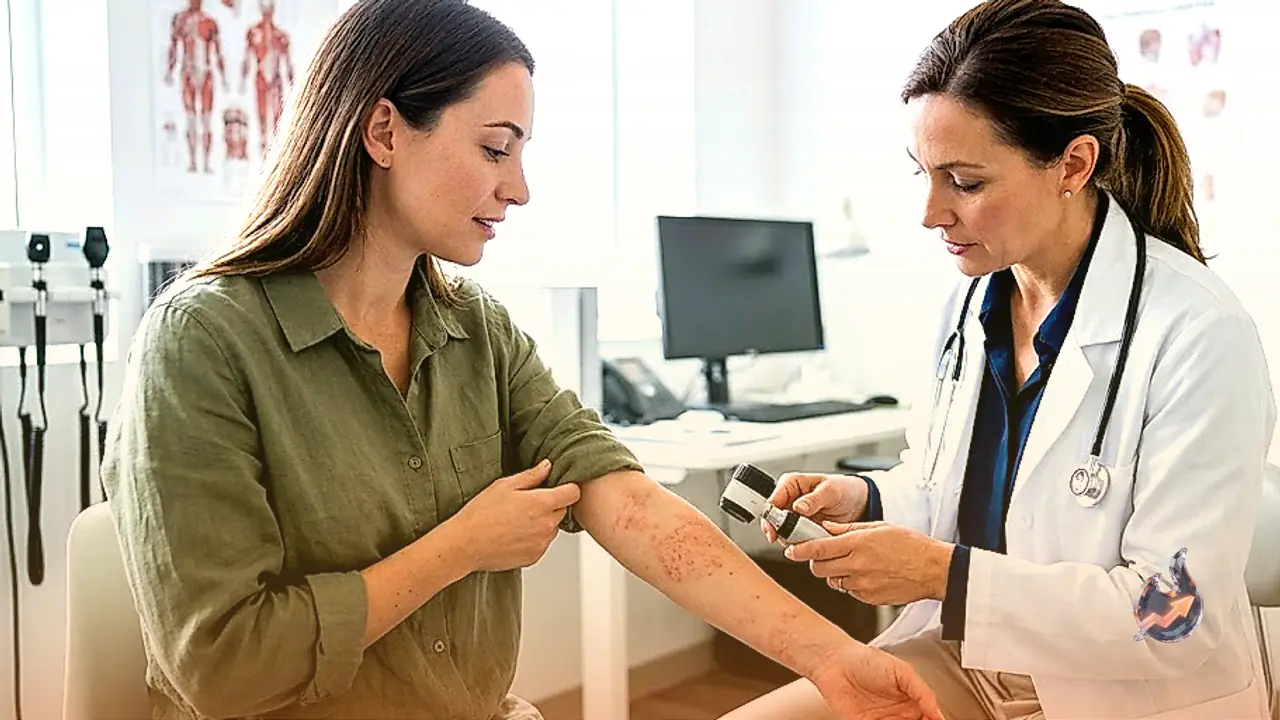
According to the National Health Mission, snakebite symptoms include two distinct puncture marks, bleeding or oozing from the wound, difficulty breathing, changes in skin color, alterations or heaviness in the voice, and intense pain, burning, and swelling around the bitten area. Recognizing these indicators promptly can prevent life-threatening delays.
Rush to the Nearest Government Health Center
The National Health Mission reiterates that treatment within the first hour of a snakebite is extremely crucial. The victim should be rushed immediately to the nearest government medical facility to ensure they receive timely professional intervention.
World Health Organization Guidelines on Antivenom
According to the World Health Organization, antivenom is an effective treatment to neutralize or reduce the impact of snake venom and is included in the World Health Organization list of essential medicines. Ensuring the availability and accessibility of these antivenoms, alongside raising awareness among communities and health workers regarding prevention methods, is the best approach to minimize severe complications and deaths caused by snakebites.
Immediate Actions to Take After a Bite
The World Health Organization advises that if a person is bitten by a snake suspected of being venomous, any tight items such as watches, bracelets, rings, or clothing near the bite should be removed immediately to prevent complications when swelling occurs. Keep the victim calm, as most venomous snakebites do not cause instant death. Restrict the person's movement and transport them to the nearest health center as quickly as possible.
What to Do and What to Avoid
In certain cases, applying a pressure pad over the bitten site may be appropriate, but traditional first-aid methods or herbal remedies must be strictly avoided. Paracetamol can be administered to manage severe localized pain. Because vomiting may occur, place the individual on their left side in a recovery position. Closely monitor their airway and breathing processes, and be prepared to administer cardiopulmonary resuscitation if necessary.