




















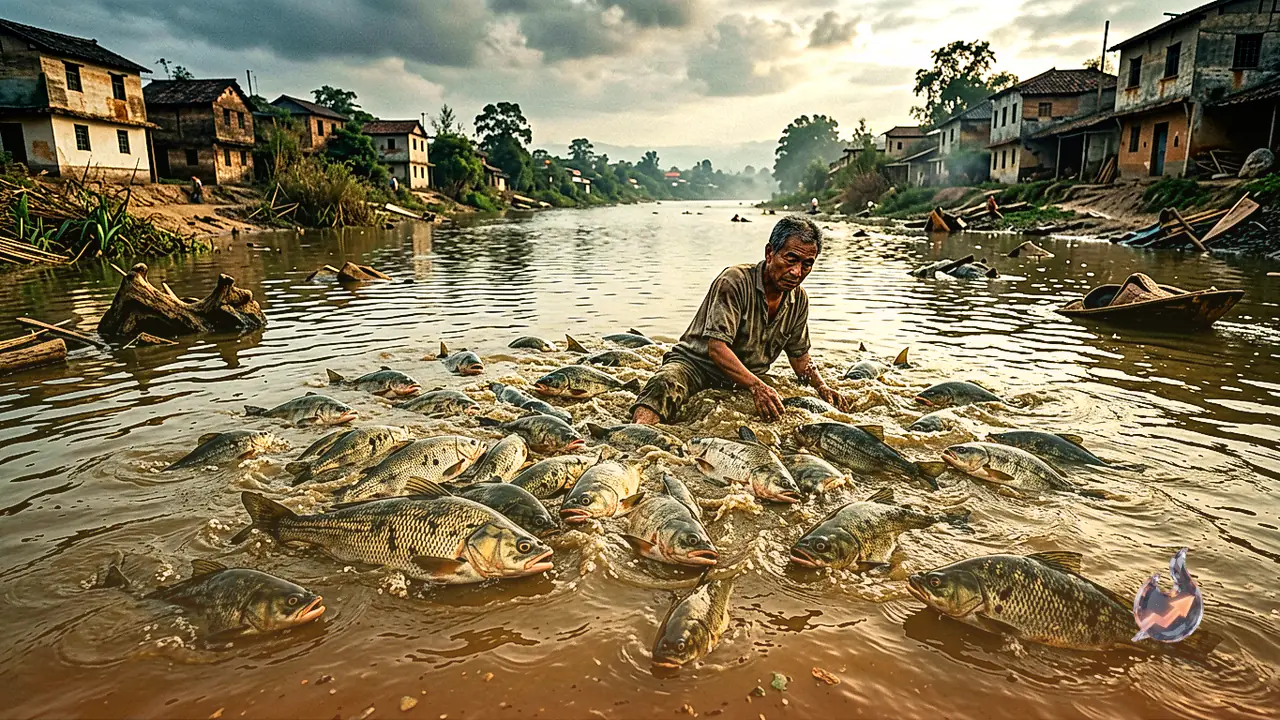

Rising water levels in Bihar rivers, driven by severe flooding originating in Nepal, have significantly altered the aquatic ecosystem and introduced unexpected hazards. Torrential currents have swept fish from various water bodies far beyond their natural habitats, prompting safety warnings from local authorities. In the Bagaha region of West Champaran, health concerns arose after several individuals fell ill following the consumption of unfamiliar and strange-looking fish caught in floodwaters. In response, the administration has urged residents to steer completely clear of any unidentified fish brought in by the inundation.
Official Directives from Fisheries Authorities
Bagaha Sub-Divisional Magistrate Chandani Kumari has strongly advised the public to refrain from catching, purchasing, selling, or consuming any unfamiliar fish carried by floodwaters. A similar advisory has been issued in the public interest by the Fisheries Division of the Animal and Fisheries Resources Department of the Government of Bihar. Officials emphasized that until fisheries experts officially verify the species and confirm their safety, consuming these catches poses a direct health hazard.
Why Flood-Affected Fish Become Hazardous
According to experts, when heavy floods occur, fish from ponds, rivers, and lakes are dislodged from their native environments by powerful currents. During this displacement, they frequently come into contact with contaminated drains, decomposing organic matter, and polluted runoff, making them highly susceptible to dangerous bacteria, viruses, and fungi. Consequently, assuming that any fish found in floodwaters is safe for consumption can lead to serious health complications. Authorities recommend avoiding fish caught in flood-affected sources until water levels recede and conditions normalize completely.
Critical Symptoms to Watch Out For
Anyone who has consumed fish caught from floodwaters and subsequently experiences vomiting, diarrhea, abdominal pain, dizziness, fever, or respiratory difficulty must take these signs seriously. Officials urge individuals showing such symptoms to seek immediate medical consultation at the nearest health center or hospital rather than ignoring them.
Large Fish Swarm Gopalganj Following Gandak River Rise
The sudden flooding in Nepal dramatically increased water levels in the Gandak River, pushing massive fish into various parts of Gopalganj. Local fishermen reported that many of these specimens weighed anywhere from fifteen kilograms to well over fifty kilograms. Species identified in these catches included Wallago Catfish locally known as Barali, Grass Carp, Goita or Gunch, and Rohu. Due to the intense currents, several of the large fish retrieved were already dead. A substantial collection of these fish accumulated at the Mangalpur Ghat and was subsequently reported to be dispatched to markets in West Bengal, providing a temporary economic boost to local fishermen. Nevertheless, the violent currents of the Gandak River continue to pose an active threat, leading the Gopalganj administration to ban the operation of small boats and warn residents against approaching the riverbanks.
Administrative Vigilance and Warning Against Rumors
Reports also indicated that items such as wood and cooking gas cylinders were washed downstream with the floodwaters. Following local rumors regarding bodies floating in the river, the administration and the State Disaster Response Force launched search operations, though no such claims were verified. Officials have urged citizens not to rely on unverified rumors or attempt to identify unknown aquatic life on their own. If there is any doubt regarding the safety or species of a fish, residents should report it to the fisheries department or local administration instead of consuming it.