























The Parijat plant, widely known as Harsingar, is a revered botanical treasure that is often grown in home gardens for its fragrant blossoms and remarkable healing properties. Blooming between the months of October and December, every part of this plant including its flowers, leaves, and roots is utilized in traditional practices to treat various ailments. Ayurveda places special emphasis on Harsingar for its ability to alleviate pain and combat infections. Acquiring a Parijat plant is quite affordable, as it is readily available online and at local nurseries with prices typically ranging from 35 to 90 rupees.
Proper Care and Organic Nourishment for the Plant
If you already have a Parijat plant at home, paying close attention to its care during the month of August is essential for its optimal growth. Keep the plant outdoors when sunlight is available and gently loosen the soil in the pot to allow air and sunshine to reach the roots. After weeding and aerating the soil, nourish the plant with vermicompost. Because Parijat holds religious significance, chemical fertilizers should be avoided entirely to help the plant grow lush and dense. Adding two tablespoons of seaweed, which serves as an excellent organic fertilizer, will further boost its health. Gardeners can also provide a nourishing mix of vermicompost, neem cake, turmeric powder, and water infused with aloe vera and orange peels. By September, the plant will be fully prepared for flowering, and within 15 days, tiny buds will begin to form, leading to a rich bloom of flowers.
How to Prepare the Healing Parijat Leaf Decoction
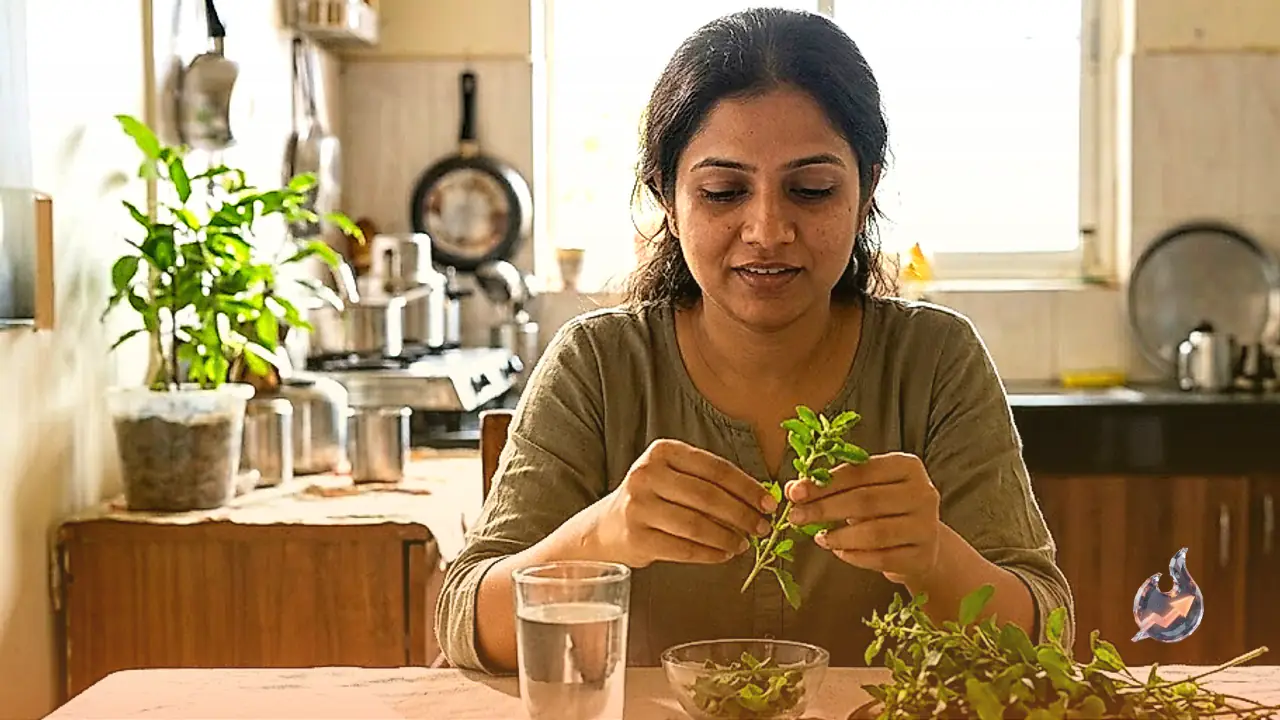
Brewing a decoction from Parijat leaves is a simple process that offers tremendous health advantages. Start by plucking four to five fresh leaves from the plant and washing them thoroughly three to four times in clean water. Crush the washed leaves and place them into a vessel along with two bowls of water. Put the vessel on the stove and add a pinch of powdered black pepper, some crushed ginger, and half a teaspoon of turmeric powder. Let the mixture simmer on low heat for two to three minutes until the liquid reduces to half its original volume. Once ready, strain the decoction into a cup. Drinking this preparation on an empty stomach yields the best results. It should be consumed in quantities ranging from 30 to 50 milliliters and can be maintained for a week, a fortnight, or up to a maximum of one month.
Relief from Joint Pain, Arthritis, and Inflammation
The herbal decoction made from Parijat leaves provides significant relief from bone aches and body inflammation. You can boil the decoction at night and drink it the next morning on an empty stomach. This remedy is exceptionally beneficial for managing joint pain, arthritis, and sciatica. Furthermore, it helps reduce weakness following viral illnesses such as dengue and chikungunya, lowers body inflammation, improves digestion, and strengthens overall immunity while helping eliminate harmful intestinal parasites. For an external remedy, extracting the juice of Harsingar leaves, adding 4 cloves and 2 garlic cloves, and heating the mixture thoroughly in mustard oil creates a potent massage oil that eases joint stiffness and pain when rubbed onto the affected areas.
Brewing Herbal Tea from Parijat Flowers
Beyond its leaves, the flowers of the Parijat plant possess remarkable medicinal virtues and can be used to brew a healthful herbal tea. For a single cup of tea, take 7 to 8 flowers, while 15 to 18 flowers are recommended if you are brewing two cups. Clean the flowers thoroughly by rinsing them two to three times in fresh water. Place a vessel with two bowls of water on the stove and add the flowers. As they heat up, the flowers will release their natural colors into the water. You can also enrich the brew by adding a small piece of cinnamon, a pinch of tea leaves, and half a teaspoon of turmeric. Once the liquid boils down to half its original quantity, strain it into a cup to complete your Parijat flower tea.
Calming the Nervous System and Respiratory Tract
Drinking Harsingar flower tea helps reduce mental stress and eases joint discomfort while providing relief from common colds. The natural enzymes present in these flowers help calm the nervous system, which lowers anxiety levels and promotes restful sleep. Consuming this tea also helps clear mucus, soothe a sore throat, and alleviate various respiratory issues while acting as an effective remedy for gas and indigestion. As with any traditional remedy, it is always wise to consult a qualified healthcare expert before adopting new health routines.