




















In Gorakhpur, women artisans are turning everyday creativity and local raw materials into sustainable livelihoods, charting a practical course toward economic independence. Working largely out of their homes, these enterprising individuals have transformed modest domestic craftwork into dependable micro-enterprises. By repurposing materials such as discarded jute sacks, fine clay, cow dung, and locally harvested bananas, they have created a catalog of distinctive consumer goods that command steady demand in regional markets. Their initiatives demonstrate how small amounts of initial capital, paired with practical design sensibility, can generate meaningful household revenue while inspiring surrounding communities.
Turning Humble Jute Sacks Into Fashion Accessories
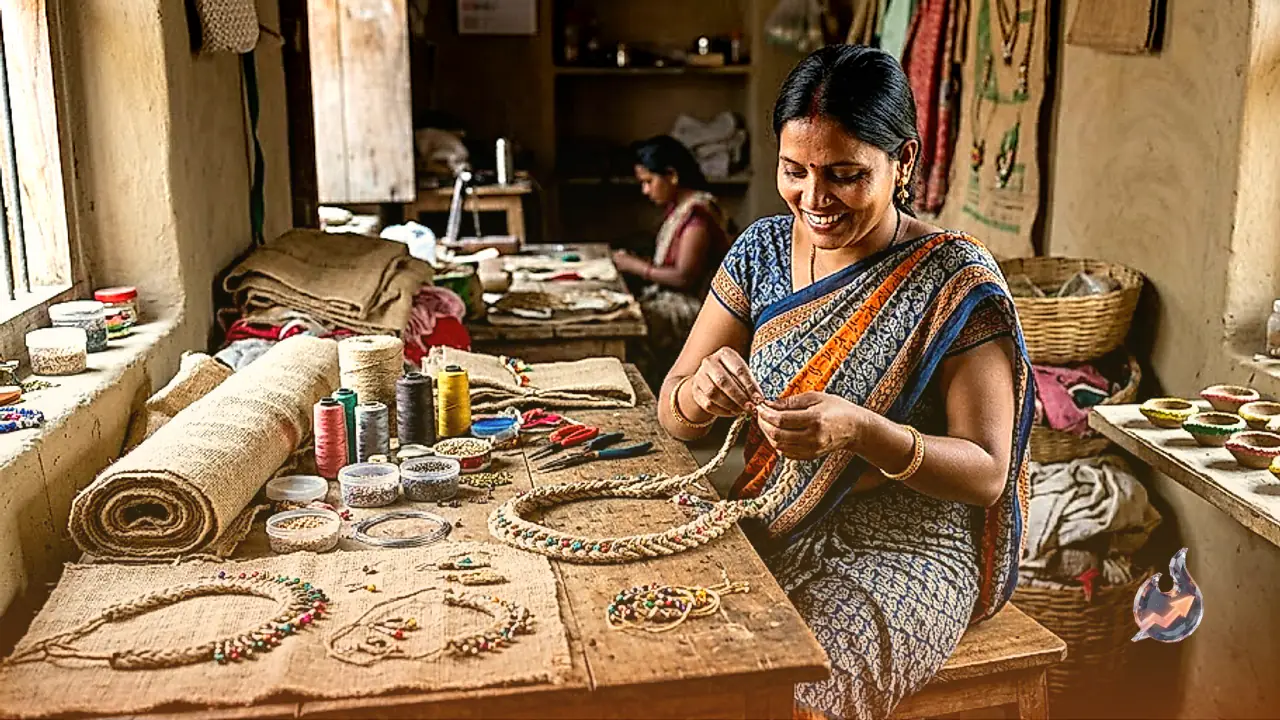
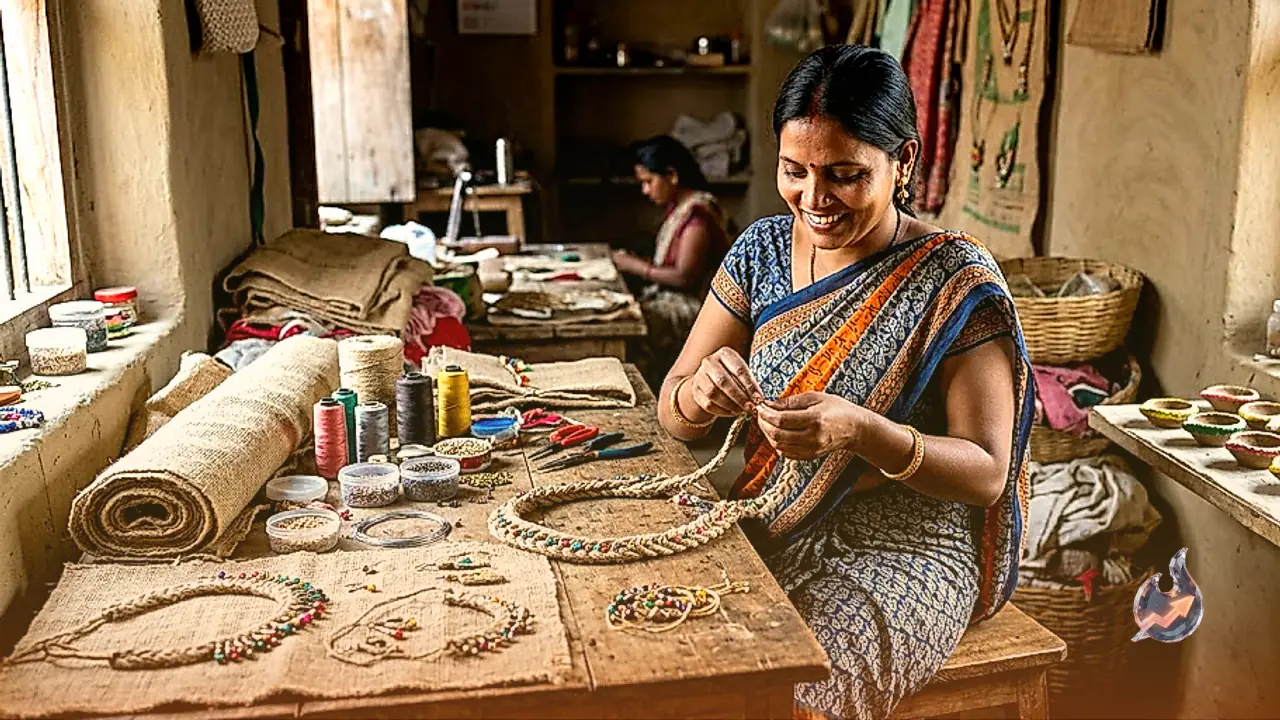
The growing consumer preference for eco-friendly, handcrafted fashion has opened a lucrative niche for handmade jewellery. In Gorakhpur, women take ordinary, rough jute sacks typically used for agricultural storage, clean and process the fibres, and weave them into stylish ornamental wear. Their collections include lightweight necklaces, statement earrings, decorative bracelets, and bohemian hair accessories. By incorporating colourful threads, wooden beads, and traditional motifs, the artisans produce finished pieces that appeal strongly to college students and urban professionals looking for sustainable fashion alternatives. The low entry barrier and nominal material expenses make this craft particularly well-suited for home-based work.
Devotional Garments and Handcrafted Clay Sculptures
Sacred rituals and temple culture provide another resilient commercial foundation for these artisans. Scores of women specialize in designing ornate attire for deity idols worshiped in home shrines and public temples. Utilizing fabrics ranging from vibrant silks and brocades to rich velvets, they embellish each garment with delicate zari borders, beads, and custom embroidery. The garments are tailored according to changing seasons, featuring airy cotton designs for summer months and heavier velvet ensembles for winter, alongside exclusive collections prepared for major festive periods like Janmashtami and Diwali. In tandem with garment making, artisans utilize fine clay to sculpt exquisite idols and decorative artifacts. Every stage, from shaping the moist clay to hand-painting intricate expressions and patterns, is performed manually, reflecting the enduring folk traditions of eastern Uttar Pradesh.
Organic Cow-Dung Diyas and Aromatic Havan Cups
As households become more environmentally conscious, the demand for green alternatives in ritual supplies has surged. Women in the district are producing biodegradable lamps, popularly referred to as havan cups or organic diyas, using raw cow dung mixed with traditional herbs and natural binding agents. Unlike conventional plaster or petroleum-wax alternatives, these organic lamps burn cleanly without generating toxic fumes and can be converted directly into soil manure after ritual use. The production process requires minimal equipment and utilizes abundantly available dairy by-products, enabling rural and suburban homemakers to establish profitable production units within their domestic spaces during their leisure hours.
Value-Added Banana Products and Daily Consumables
Agriculture is also seeing inventive diversification through the commercial processing of locally grown bananas. Rather than selling the produce solely as fresh table fruit, women are manufacturing high-value derivatives such as gluten-free green banana flour and fruit beverages. This approach reduces post-harvest wastage while yielding higher profit margins than raw wholesale trade. Concurrently, cooperative self-help groups have established manufacturing routines for daily household necessities, including aromatic incense sticks and surface-cleaning phenyl. By developing multiple fragrance varieties for incense and reliable formulations for disinfectant cleaners, these neighbourhood groups maintain stable revenue streams without requiring members to commute away from their homes.
Sangeeta Pandey's Landmark Growth and Artisan Fabric Bags
Among the standout entrepreneurial journeys in Gorakhpur is that of Sangeeta Pandey, whose venture serves as a model of gradual, disciplined growth. She launched a modest paper-box manufacturing initiative with an initial investment of just 1500 rupees. Navigating early operational hurdles through consistent quality, she progressively expanded her capacity and supply networks; today, that tiny undertaking has transformed into a major industrial packaging enterprise. Drawing similar inspiration, multiple local women have taken up bespoke cloth bag fabrication. Working with durable cotton and textured fabrics, they design sturdy shopping totes and multi-pocket carryalls. As single-use plastics face growing regulatory curbs and public resistance, these washable, aesthetically designed bags enjoy consistent commercial uptake.