























A growing preference for natural and wholesome ingredients has brought moringa, widely known as drumstick, to the forefront of daily nutrition. The tree offers practical utility across its green leaves, pods, and seeds. Because the foliage carries an extensive nutritional profile, it has emerged as a reliable addition to everyday meal routines.
A Dense Spectrum of Nutrients
Moringa leaves supply an impressive combination of proteins, minerals, and vitamins. Key elements present in the plant include iron, calcium, potassium, alongside vitamin A, vitamin C, and vitamin E. Such a blend allows it to enrich regular dietary plans effectively. Nevertheless, healthcare guidance emphasizes that it should not be treated as a lone remedy for all nutritional requirements. Even highly beneficial substances can lead to adverse effects under specific physiological circumstances, making medical advice crucial when managing health issues.
Tackling Oxidative Stress and Fatigue
The botanical composition of drumstick includes antioxidant compounds designed to guard the body against cellular oxidative stress. Incorporating the leaves into everyday dishes supplies necessary micronutrients to the system. While the plant is not an exhaustive cure for general weakness or persistent tiredness, making it a regular element of a wholesome diet provides dependable physiological support.
Expert Perspective on Blood Sugar Regulation
Dr. Vandana Tiwari, a medical officer with five years of experience at the Government Ayurvedic Hospital in Ballia city, points out that moringa provides positive support in managing blood sugar levels. She notes that individual patient conditions differ, meaning drumstick should not be perceived as a definitive or standalone drug for diabetes. Patients dealing with blood sugar irregularities must keep their prescribed medications, clinical guidance, and structured dietary habits as their primary priorities.
Cosmetic Applications and Digestive Health
The oil harvested from moringa seeds serves a significant role in personal care. Known for its ability to preserve skin suppleness and retain hydration, the oil is frequently integrated into cosmetic goods. It is also applied to hair, though individuals addressing dandruff or hair loss are advised to use it with care. In Indian culinary traditions, the fiber-rich pods and leaves contribute substantially to digestive wellness. Furthermore, the anti-inflammatory properties of the plant offer supportive value in managing inflammation, joint pain, heart health, and liver function.
Commercial Farming and Domestic Cultivation
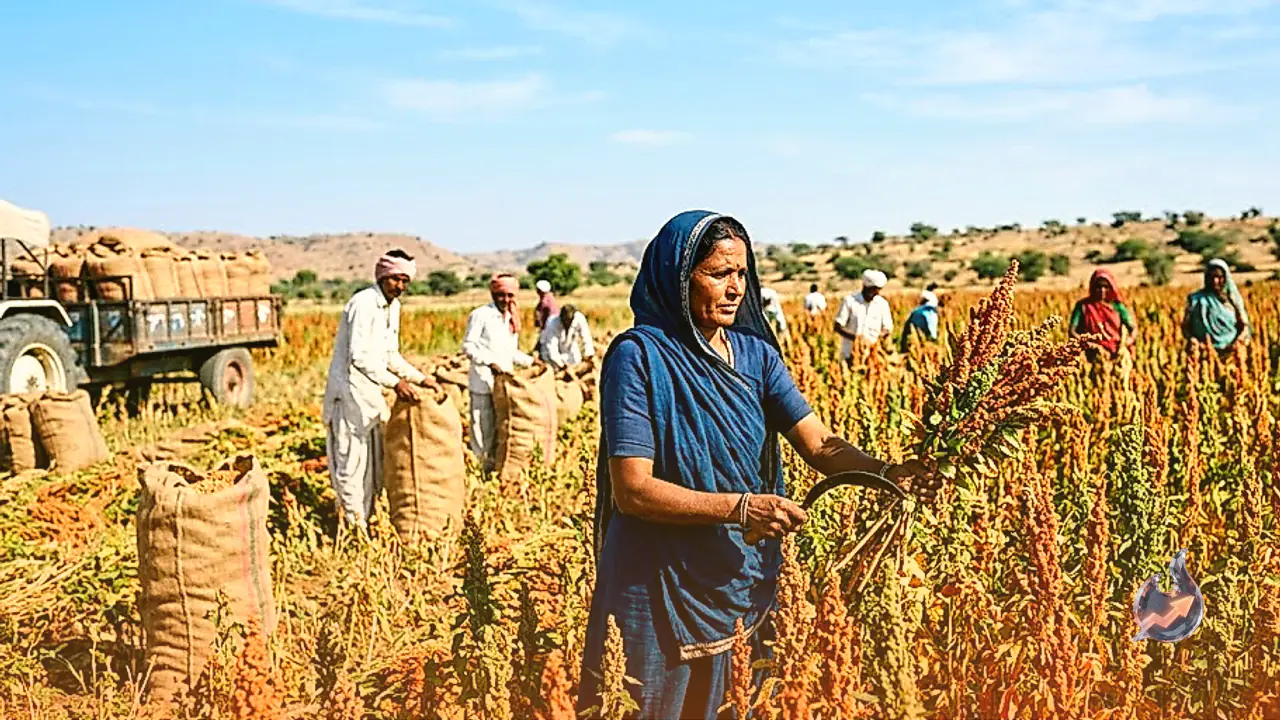
Beyond personal wellness, moringa presents substantial economic potential for agricultural growers. The plant flourishes smoothly in areas like Ballia, demanding relatively straightforward cultivation. Distinct commercial rates exist for its leaves, pods, and raw seeds. Processing these components into dry powder, oil, and related items creates valuable auxiliary revenue for farming households. For families with backyard space, planting a tree ensures both green surroundings and fresh domestic harvest for cooking.