





















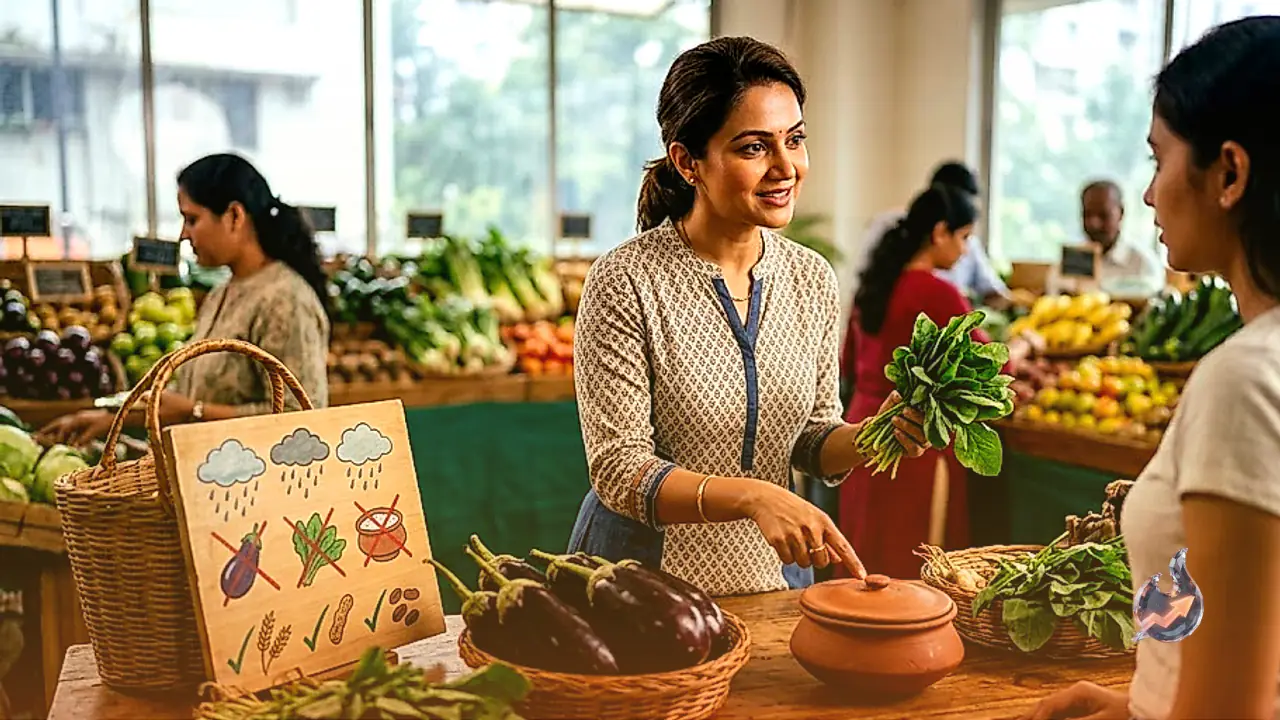

With the arrival of the auspicious Sawan month, households across India begin following traditional dietary precautions. Elders often advise family members to restrict or completely avoid foods such as eggplants, leafy green vegetables like spinach and fenugreek, and dairy products including curd and milk. While many view these practices solely through the lens of religious customs, there are strong scientific principles and Ayurvedic health guidelines underlying these seasonal habits. The environmental conditions during the monsoon season directly impact human digestion and accelerate food spoilage, making dietary adjustments essential for maintaining wellness.
Ayurvedic Wisdom and Digestive Health During Monsoon
The Sawan period coincides with the height of the monsoon season across most parts of the Indian subcontinent. Rainy weather brings high humidity and moisture, creating an ideal breeding ground for bacteria, fungi, and other microorganisms that spoil food rapidly. According to Ayurveda, the human digestive fire or metabolic capability experiences a natural decline during the rainy season (Varsha Ritu). When digestion is weakened, heavy or slow-digesting foods can cause gastrointestinal distress, acidity, bloating, and stomach infections. Consequently, Ayurvedic traditions strongly advocate consuming fresh, light, warm, and easily digestible meals during these damp months.
The Real Reason Eggplants Are Avoided in Sawan
The practice of abstaining from eggplants during Sawan remains widespread. From an agricultural standpoint, monsoon humidity creates conditions where eggplant crops become highly susceptible to insect infestations, larvae, and pests. These organisms often burrow deep inside the vegetable, making them difficult to detect visually. In earlier times, when modern food inspection standards and organic pest control methods were unavailable, avoiding eggplants was a pragmatic preventive measure against accidental ingestion of contaminated produce. In modern kitchens, however, using fresh, thoroughly inspected, and well-cooked eggplants poses no inherent risk, provided standard hygiene practices are observed.
Bacterial and Microbial Risks in Leafy Vegetables
Caution is similarly advised regarding leafy greens such as spinach, fenugreek, mustard leaves, and amaranth during the rainy months. Raindrops splash soil, mud, and microscopic pests onto the broad surface of leaves, where dampness allows bacteria and fungi to thrive. Consuming inadequately washed or undercooked greens during the rainy season significantly increases the risk of foodborne illnesses, stomach flu, and bacterial infections. If leafy vegetables are consumed, health experts emphasize washing them thoroughly in warm salt water and cooking them completely to neutralize microbial hazards.
Why Dairy and Curd Demand Strict Precautions in Rainy Months
Dairy consumption during Sawan also involves specific cultural and seasonal guidelines. Fluctuating temperatures paired with ambient humidity make dairy items such as curd and raw milk prone to rapid fermentation and bacterial decay. Storing these perishable items outside controlled temperatures leads to quick deterioration. Furthermore, Ayurvedic principles suggest that consuming curd during the monsoon can disrupt bodily humors, potentially exacerbating phlegm, joint stiffness, or respiratory discomfort. Therefore, traditional guidelines emphasize using only fresh, properly pasteurized, and adequately refrigerated dairy products.
Historical Practicality Versus Contemporary Food Safety Standards
Understanding traditional Sawan dietary habits requires considering historical contexts. Centuries ago, households lacked electricity, modern refrigeration, sealed packaging, and sanitized storage facilities. Adapting one's diet according to seasonal risks was a vital practical strategy for preventing disease outbreaks. In modern times, it is not strictly necessary to completely eliminate these foods solely due to the arrival of Sawan. By emphasizing freshness, thorough washing of produce, proper refrigeration of dairy, and avoiding stale food, individuals can honor traditional health wisdom while maintaining modern scientific hygiene standards.