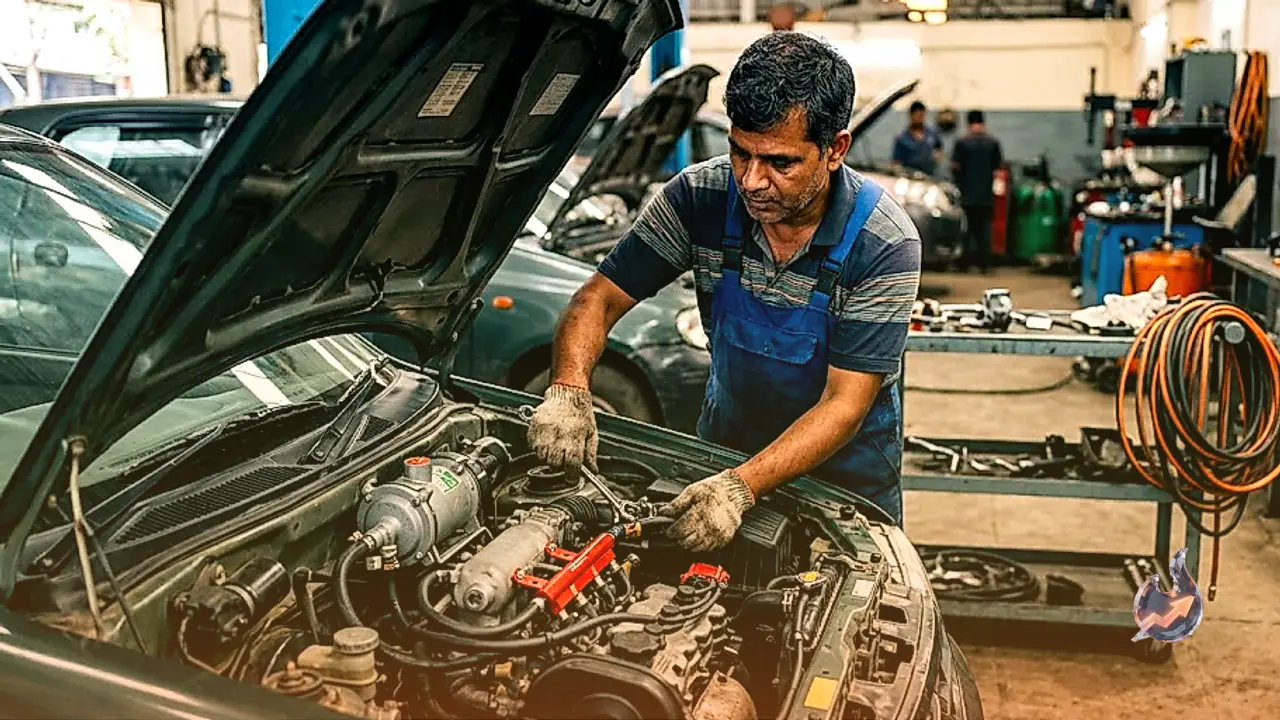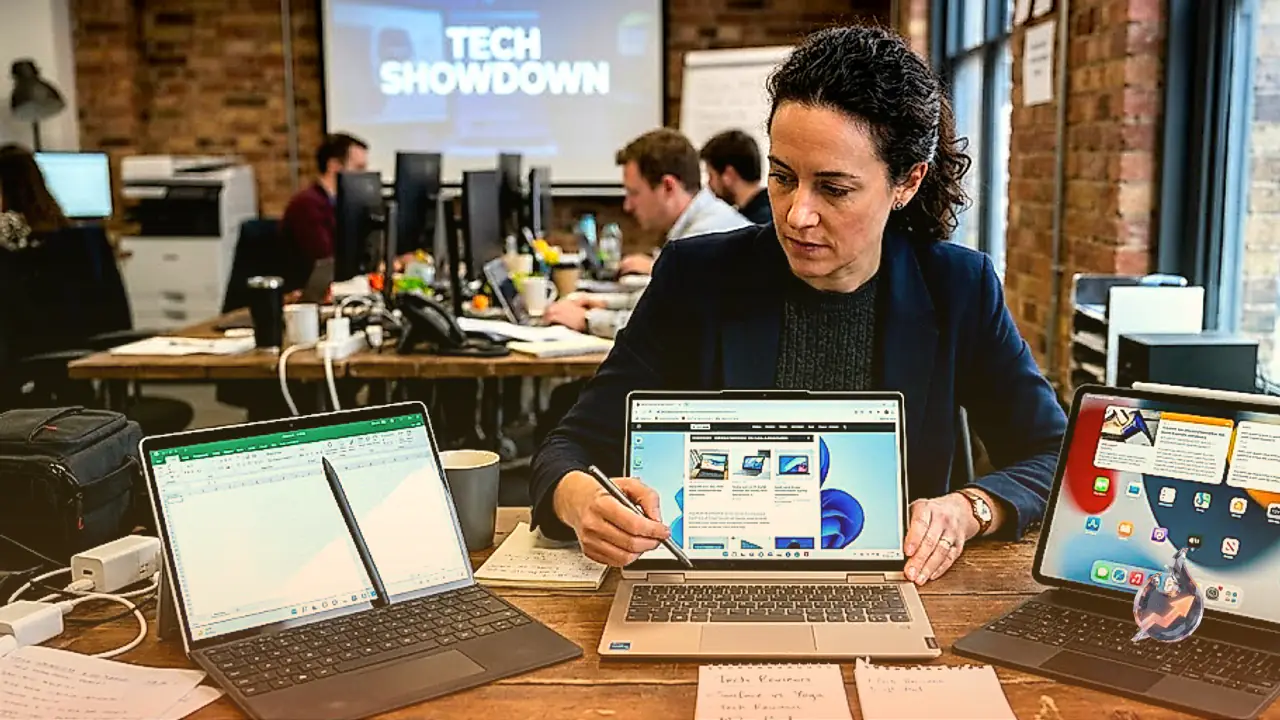




















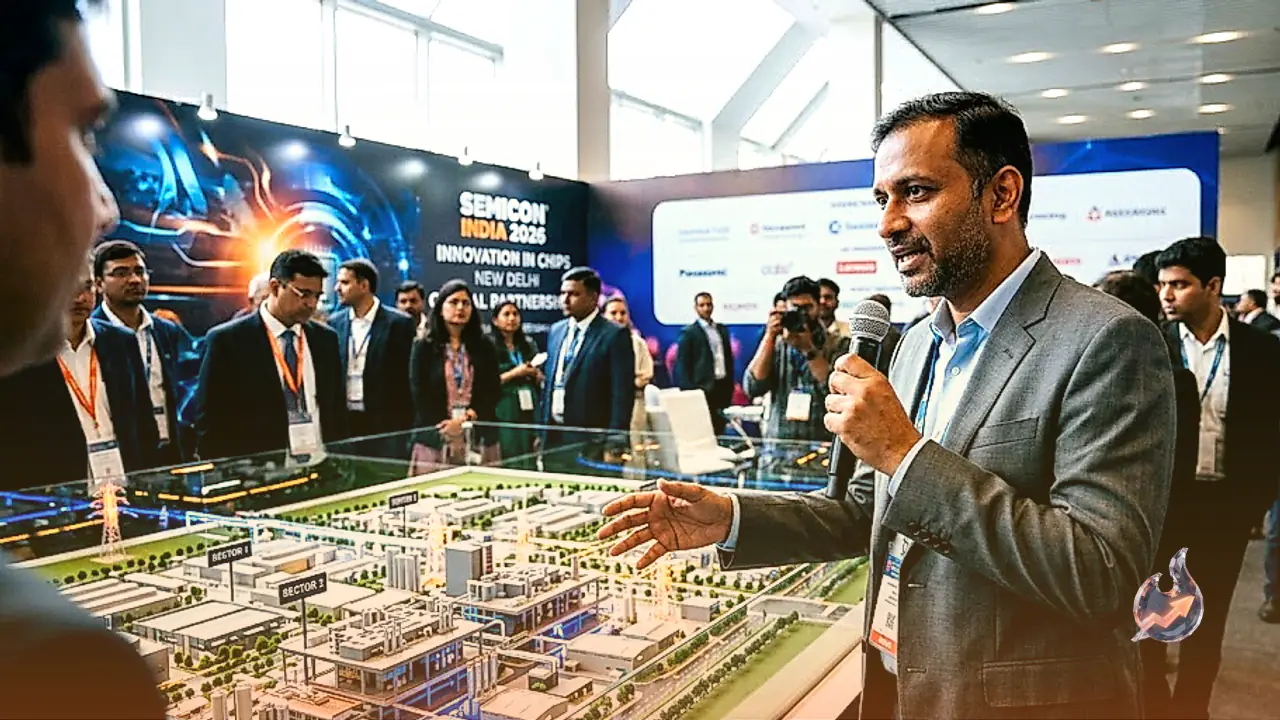

The three-day international semiconductor summit, Semicon India 2026, has concluded at Yashobhoomi in Delhi after intense discussions on the future of electronics manufacturing. The prestigious event was inaugurated by Prime Minister Narendra Modi under the central theme of 'Silicon to Systems: Building the Ecosystem'. Demonstrating immense global interest, the gathering drew delegates from 52 countries along with executives representing 600 companies. Dedicated country pavilions were mounted by technological leaders including Japan, South Korea, Malaysia, the Netherlands, Singapore, and Sweden to showcase cross-border collaboration.
Expanding From Design to Hardware Fabrication
Delivering an address on India's industrial transformation, Union Minister Ashwini Vaishnaw highlighted that the nation has moved well beyond chip designing to actively fabricating physical chips for the global supply chain. Vaishnaw revealed that 12 semiconductor projects are currently underway across the country, backed by an aggregate investment of 1 lakh crore rupees. This massive capital commitment reflects India's rapid evolution into a full-scale manufacturing hub capable of anchoring the high-precision requirements of the global hardware market.
Three Defining Takeaways for Global Supply Chains
The proceedings at the summit sent three distinct signals to the global semiconductor sector. The most visible signal was the extensive presence of multinational hardware corporations across every vertical of the broader ecosystem, including precision machinery, specialized raw materials, component testing, and specialized logistics. Global firms exhibited strong commercial enthusiasm for establishing supply lines and supporting local ecosystem integration in India.
A second major development centered on India's technical talent pool, which dominated bilateral industry dialogues. Seeking scalable answers for worldwide consumption, several international corporations announced plans to set up and scale advanced research and development (R&D) capabilities on Indian soil.
Multinationals Eye Deep-Tech Startups for Acquisitions
The third major strategic outcome involved capital deployment in innovative domestic ventures. Global technology giants, including Infineon, NXP, and Teradyne, stated that they are closely monitoring the Indian deep-tech startup ecosystem. Corporate executives expressed admiration for the proprietary solutions engineered by Indian founders and confirmed they are exploring strategic equity investments, with some expressing readiness to pursue full commercial buyouts of promising local ventures.
Aiming for Global Technological Leadership
The momentum aligns directly with Prime Minister Narendra Modi's address during a dedicated CEO roundtable, where he emphasized that India must step forward as a decisive leader in emerging frontiers of technology. The successful execution of the summit marks a decisive step along that trajectory, anchored by targeted administrative execution to secure India's position in global electronics fabrication.