



















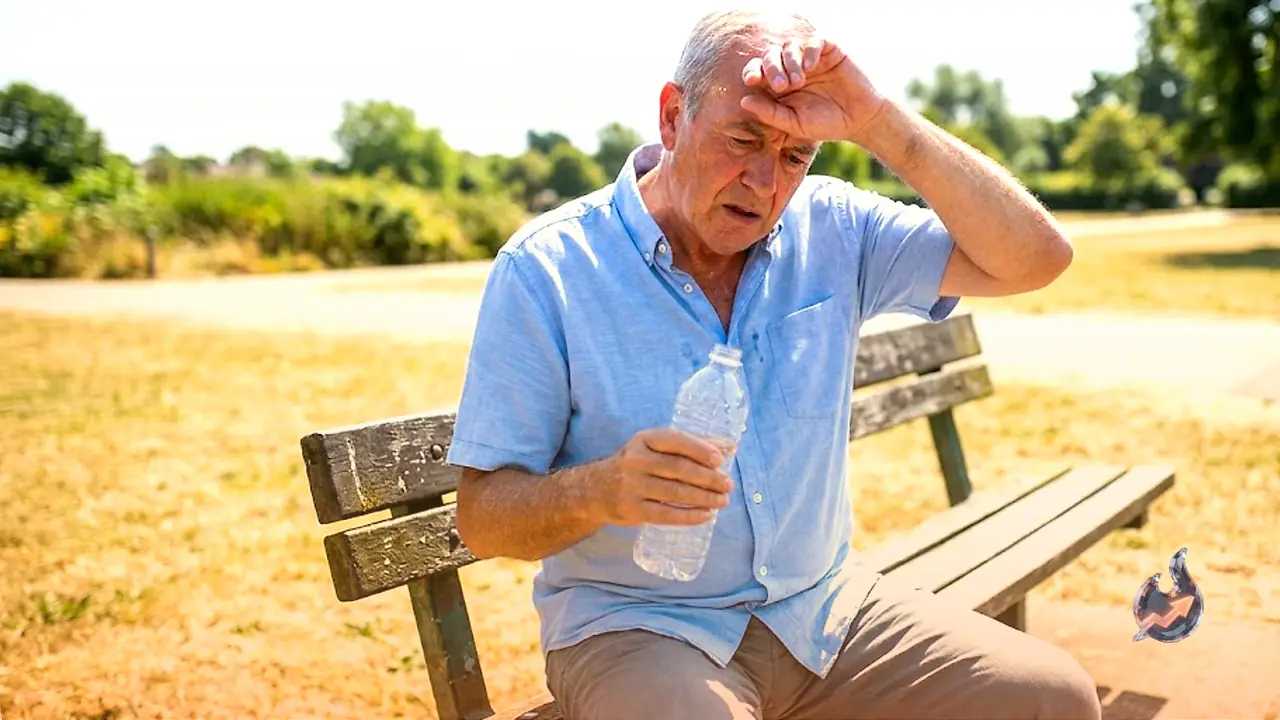

The monsoon may technically have arrived, but Delhi-NCR is still baking under intense heat with no sign of rain anywhere. In weather like this, people commonly make one small mistake, not drinking enough water for what their body actually needs, and that slip can eventually lead to blood clots forming inside the body. Dr. Bimal Chhajer, founder of SAAOL Heart Center and an MBBS and MD, has explained the direct link between dehydration and blood clotting during extreme heat, along with who faces the highest risk and how the problem can be avoided.
Why Dehydration Leads To Clots In The Veins
According to Dr. Bimal Chhajer, the body sweats heavily during intense heat. Rising temperatures keep pulling fluid out of the body continuously, and if enough water isn't consumed to replace it, the body slips into dehydration. Once dehydration sets in, the overall blood volume in the body drops, since the body naturally has less fluid available. This directly affects blood flow inside the veins, slowing circulation considerably. When blood moves through the veins at a much slower pace, the chances of a clot forming rise sharply. This risk is highest specifically in the veins of the legs. The heart also ends up bearing extra strain, since it has to work much harder to compensate for the sluggish circulation. Dr. Chhajer further warned that if dehydration becomes severe enough, it can even trigger a heat stroke, which can be life threatening.
What Happens To The Body Once A Clot Forms
Dr. Chhajer explains that when a blood clot forms in the veins of the legs, it causes intense pain in that area. The calf muscles bear the brunt of this pain, and the affected spot also becomes noticeably warm to the touch. On top of that, the skin colour in that region changes as well, signalling that blood isn't flowing properly through the area. If the situation worsens and the clot travels up to the lungs, the person starts struggling to breathe and experiences a rise in anxiety and restlessness. This is considered a serious medical emergency that calls for immediate attention.
Who Faces The Highest Risk
Dr. Chhajer notes that people who don't walk enough on a regular basis, and who spend long hours sitting at a desk for work, see their risk of blood clots climb quickly. Because of this reduced movement, the problem also shows up more often among elderly people. Beyond that, people who work in hot conditions, such as those doing physically demanding jobs out in the sun, can also be at risk, since they are already more prone to dehydration in the first place.
How To Protect Yourself
Dr. Chhajer says the single most effective way to prevent this is to drink plenty of water. Water should be consumed steadily throughout the day, even when thirst isn't being felt. Anyone whose physical activity levels are high should further increase their water intake to match it. Adding green vegetables and water-rich fruits to the daily diet is also recommended. Clothing choices matter too, so wearing cotton clothes during the heat is advised. Staying away from alcohol and cigarettes is equally important, since both can worsen dehydration in the body.