























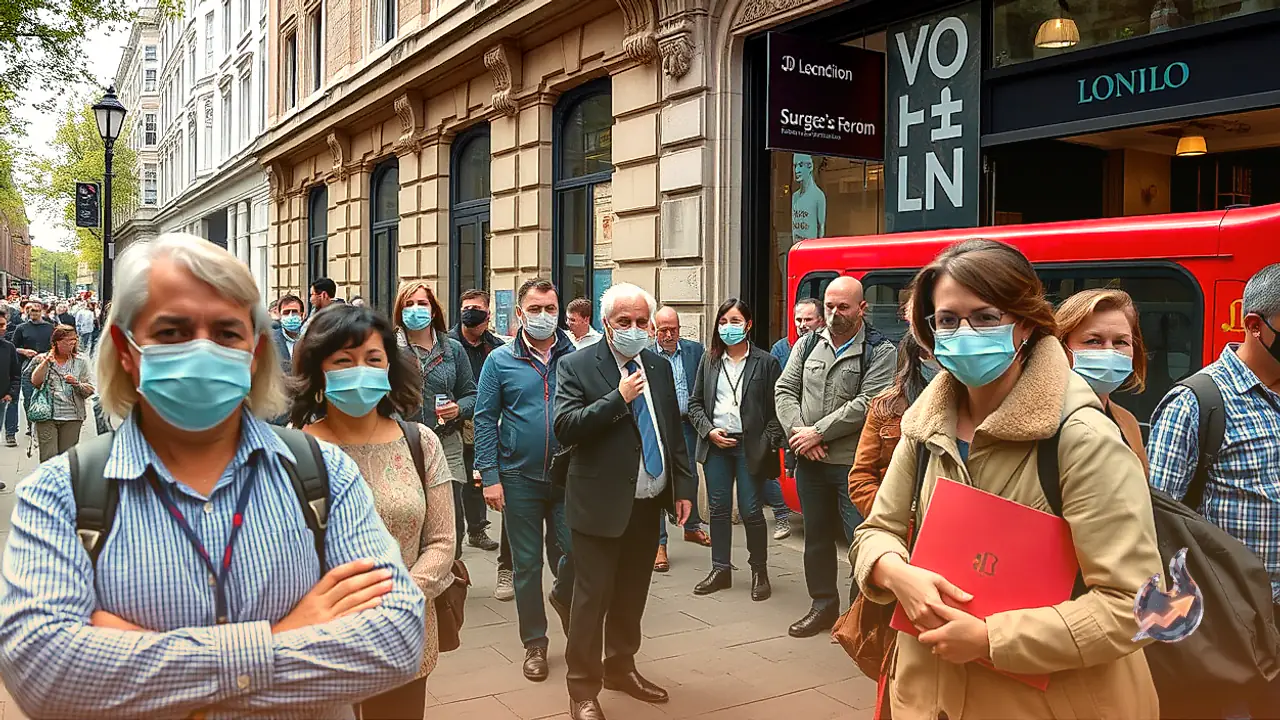

The global trajectory of the coronavirus has transitioned significantly since its initial worldwide emergence in 2020. Having moved from an acute pandemic phase into an endemic pattern, the virus continues to circulate at baseline levels, periodically presenting new genetic mutations and variants. The latest strain to draw scientific attention is the XFG variant, which has recently been identified across multiple regions alongside an uptick in infection figures, prompting international surveillance bodies to examine its transmission dynamics.
Rising Hospitalizations and Case Counts Across London
In Britain, and particularly within London, health facilities have registered a noticeable climb in active infections and hospital admissions. Comprehensive genome sequencing performed on clinical samples from hospitalized patients confirmed the presence of the XFG variant. The uptick has prompted close observation by local medical authorities seeking to evaluate whether the increase in patient volume translates to any meaningful change in clinical outcomes or healthcare burden.
Genetic Profile and Characteristics of the Recombinant XFG Strain
Scientifically classified as a recombinant variant, XFG developed through the genetic fusion of components from separate viral lineages. Positioned within the broader Omicron family tree, it originated from the combination of two specific variants: LF.7 and LP.8.1.2. The initial detection of XFG occurred in January 2025. Following this initial identification, the World Health Organization (WHO) placed the strain into its Under Monitoring category to systematically evaluate its transmission rate, geographic spread, and viral behavior. Specific mutations located within its spike protein provide the variant with a greater capacity to bypass existing immune defenses, thereby facilitating more rapid transmission between individuals.
Symptom Patterns and Clinical Severity Assessments
Manifestations of an XFG infection vary from person to person without a single uniform presentation. Documented clinical profiles indicate that patients commonly report cough, cold, runny nose, and headache. In certain instances, individuals also present with muscle aches, joint pain, and gastrointestinal issues, while others carry the virus without developing noticeable symptoms. Importantly, current evaluations show no concrete evidence indicating that XFG causes more severe clinical illness or increases the risk of mortality compared to earlier variants. Consequently, while vigilance and continuous genomic surveillance remain essential, rising case numbers do not indicate a heightened threat of severe disease.
Current Status Across India and Medical Guidance
In India, the respiratory disease landscape remains stable, with specialists noting that the current situation poses no cause for alarm. Medical experts emphasize that seasonal transitions routinely lead to increases in influenza, seasonal flu, and other respiratory tract infections, alongside sporadic H1N1 detections. Because standard diagnostic testing for respiratory illnesses is conducted regularly during these seasonal spikes, occasional positive coronavirus results continue to be documented. Healthcare professionals confirm there is no evidence of an impending surge or broad wave across the country. Because the virus functions as an endemic illness that will continue to yield periodic variants, standard hygiene practices, symptomatic self-care, and professional medical consultation remain the appropriate response to fever, cough, or respiratory discomfort.