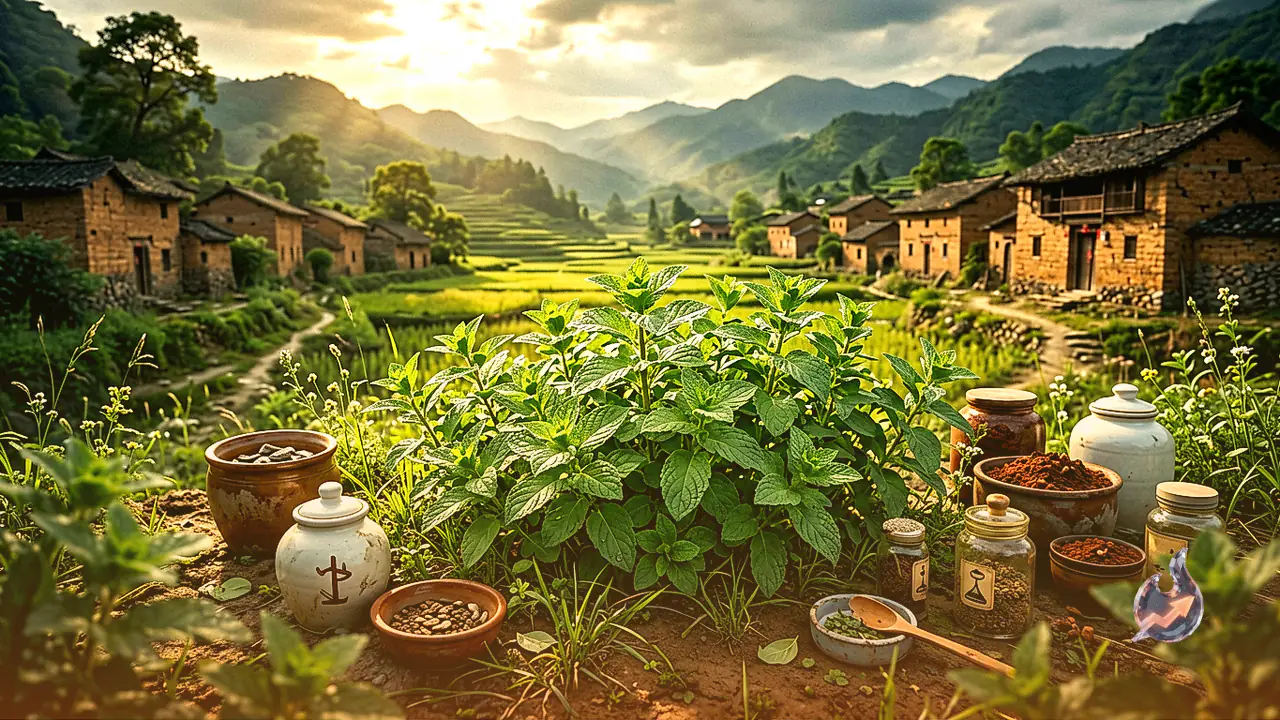
























In the rural expanses of Chhatarpur, traditional remedies continue to play a vital role in everyday healthcare, particularly when it comes to treating injuries naturally. Local villagers have long relied on a specific medicinal plant to manage and heal cuts, lacerations, and burn wounds effectively. This plant, commonly known as ghamra, remains a trusted natural asset for treating both human and animal ailments without relying immediately on modern pharmaceuticals.
Traditional Usage and Healing Properties
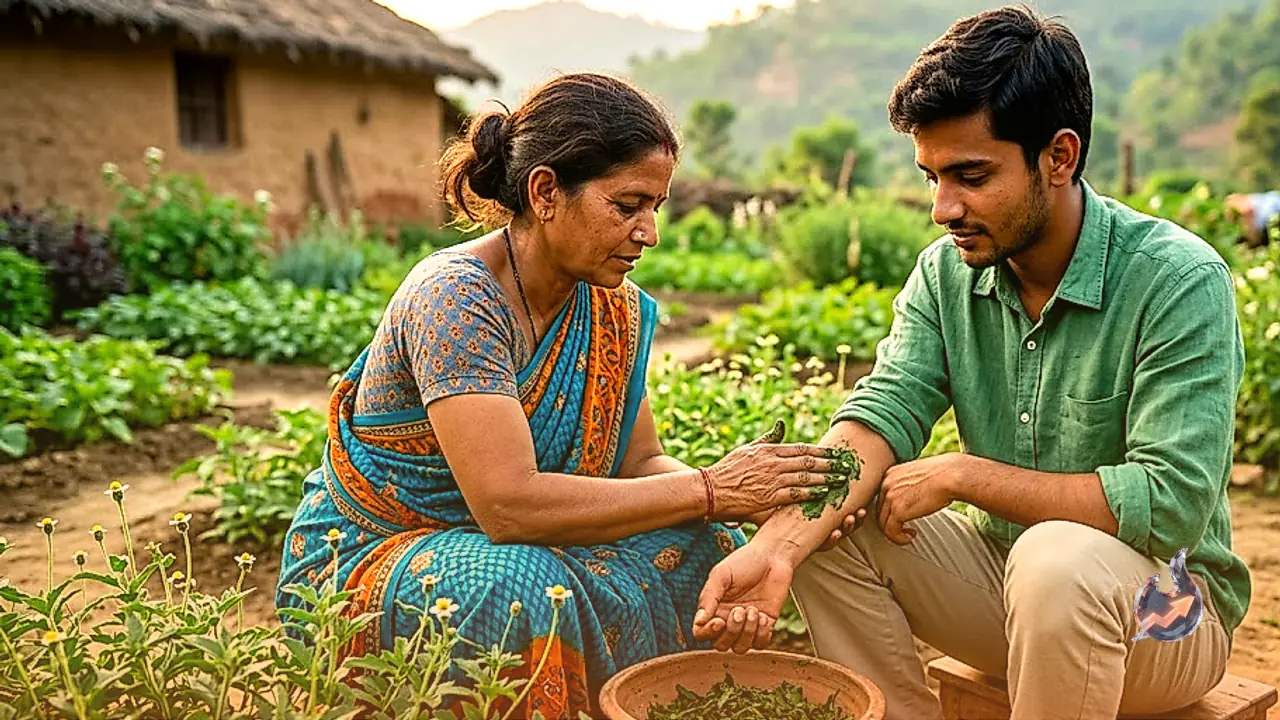
Shedding light on this traditional practice, Ayurvedic practitioner Ishwardin Pal explains that the fresh leaves of the plant are typically crushed into a paste and applied directly to the affected area. This application provides prompt relief and accelerates the natural healing rate of the wound. Interestingly, the remedy is not restricted to people alone; it is also regarded as highly beneficial for treating animal wounds. Ghamra is frequently utilized to address open cuts, burn scars, localized swelling, and various forms of stubborn skin infections.
How to Prepare and Apply the Remedy
According to Ayurvedic practitioners, utilizing the plant is a straightforward process. First, fresh leaves of ghamra must be thoroughly washed to remove any impurities or dirt. Once cleaned, the leaves are ground into a smooth paste. This herbal mixture is then gently applied over cuts, grazes, or burned skin. The treatment aids in fast recovery, noticeable reduction in swelling, and significant relief from stinging pain and burning sensations. Applying the crushed extract to livestock wounds yields similarly positive results in speeding up their recovery.
The Science Behind the Healing Power
The remarkable effectiveness of the plant is backed by distinct biological mechanisms. Elaborating on the scientific perspective, Ayurvedic physician Dr. R.C. Dwivedi notes that ghamra is packed with numerous medicinal properties that contribute significantly to human health. The plant is rich in vital minerals such as fatty acids, tannins, and phytosterols, which actively assist in tissue repair and prevent bacterial contamination. Furthermore, it contains steroids, alkaloids, flavonoids, and carotenoids, all of which are highly effective in suppressing inflammation and inhibiting infection across affected tissues.
Anti-Inflammatory Action and Enzyme Stimulation
Dr. R.C. Dwivedi points out that the robust anti-inflammatory qualities of ghamra make it exceptionally potent for treating swelling, physical trauma, and burn injuries. When applied topically, the constituents stimulate specific bodily enzymes. These activated enzymes assist the body in recovering rapidly from trauma, thereby cutting down healing time considerably.
Important Precautions and Potential Side Effects
Despite its remarkable therapeutic potential, ghamra must be handled with care and applied strictly under expert guidance. Dr. Dwivedi issues a clear warning that incorrect usage of the plant can lead to adverse side effects. Improper application may cause allergic reactions, severe skin itching, vomiting, and nausea. Consequently, consulting a qualified doctor or an Ayurvedic expert prior to use is strongly advised to prevent any unwanted health complications.