























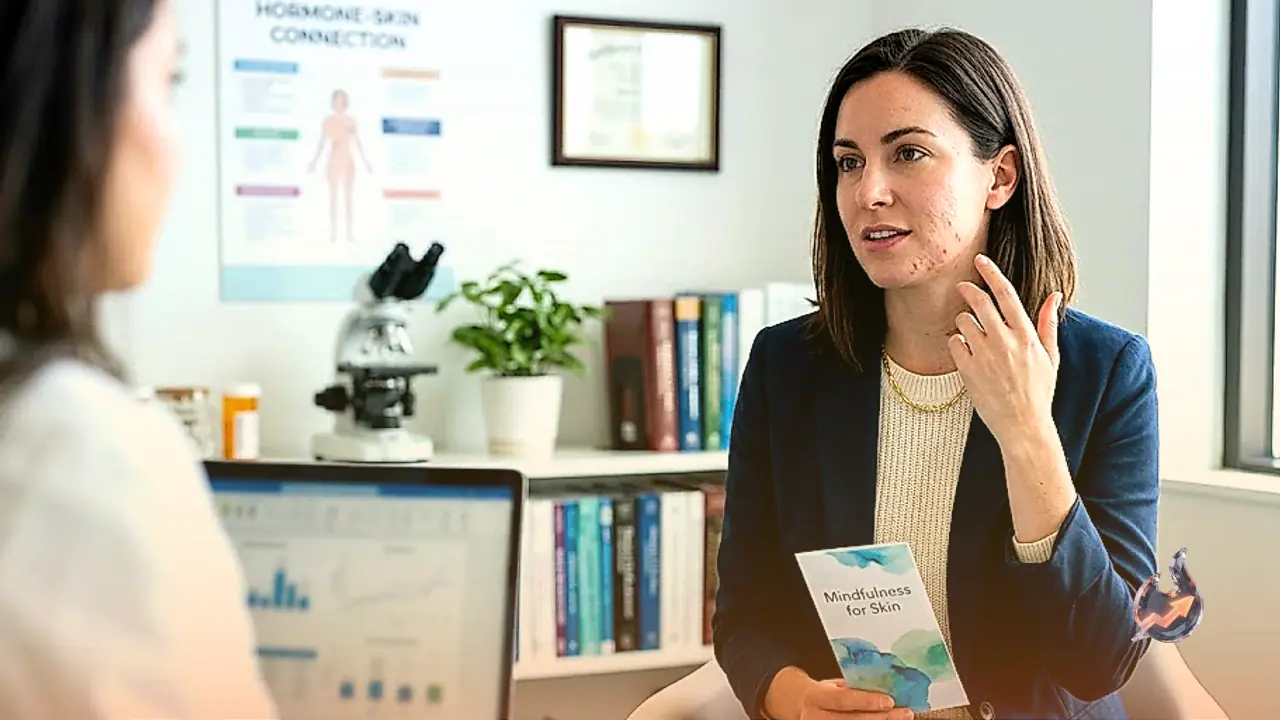

Whenever unexpected breakouts appear on the face, the instinctive reaction is often to shop for new acne serums, medicated lotions, or expensive cosmetic treatments. Most people assume that frequent acne is solely the result of excess surface oil, environmental grime, or improper skincare routines. However, medical research paints a much broader biological picture. The skin is the largest organ of the human body, acting not merely as an outer barrier but as a dynamic mirror reflecting internal well-being. Whether skin radiates vitality or appears dull and inflamed, its condition is profoundly shaped by internal physiological and mental processes.
How Mental Stress and Emotions Shape Skin Health
Multiple scientific investigations have confirmed that psychological strain and intense emotional distress exert a powerful influence over dermatological wellness. In a notable 2016 study examining 120 individuals with skin conditions, 33.4 percent of the participants reported experiencing severe social anxiety. The researchers discovered that patients with lower levels of mindfulness exhibited significantly greater feelings of embarrassment and distress regarding their appearance. Conversely, individuals who actively practiced mindfulness reported lower social tension alongside measurable enhancements in overall skin texture and condition.
Furthermore, an earlier study conducted in 2013 highlighted that 85 percent of dermatological patients acknowledged that managing emotional stress was critical to controlling their skin disorders. Research from 2007 previously observed that approximately 30 percent of skin patients displayed symptoms of psychological difficulties, making it difficult for physicians to determine whether the root trigger stemmed from the skin or the mind. Scientists noted that mindfulness techniques not only refine aesthetic skin appearance but also physiologically assist the body in repairing surface wounds and tissue injuries.
The Biochemical Impact of Cortisol and Stress Hormones
Under periods of acute or chronic stress, the human body releases elevated levels of hormones such as cortisol and corticosterone. These biochemical messengers alter skin function across several biological pathways. High cortisol disrupts the normal regeneration of skin cells, slows down tissue repair following cuts or blemishes, and initiates widespread internal inflammation. Over time, persistent stress hormone activity accelerates visible sagging, fine lines, and premature wrinkling. Patients battling conditions such as eczema and psoriasis consistently demonstrate heightened vulnerability to depressive symptoms and emotional strain.
The Crucial Link Between Gut Health and Clear Skin
The biological cross-talk between the digestive tract and the skin barrier represents another major pillar of dermatological science. A clinical study in 2021 revealed that various skin ailments trigger distinct alterations in both gut and cutaneous microbiomes. When beneficial gut flora falls out of balance, systemic inflammatory pathways are activated, frequently manifesting as acne, eczema, dandruff, and psoriasis. Backing this connection, research published in 2019 demonstrated that psychological stress and clinical depression directly disrupt the gut microbiome, which subsequently amplifies inflammatory responses across the skin.
Expert Perspectives on Holistic Skincare
Given the intricate relationship between mental equilibrium, digestive balance, and epidermal integrity, medical authorities advocate for a comprehensive, holistic strategy. Ayurvedic expert Katie Silcox emphasizes that the skin serves as an accurate mirror of internal health, noting that physical flare-ups regularly originate from unresolved emotional states and persistent tension. Similarly, naturopathic doctor Charles Tabone points out that because the skin is the largest physical organ, it operates as the human body's primary frontline defense against environmental toxins. Safeguarding this vital defense requires looking past topical creams to nurture emotional balance, stress resilience, and digestive wellness.