




















It is a common experience to feel a sudden loss of sensation or tingling in the hands or feet after sitting in the same posture for an extended duration. During such episodes, sensation in the affected limb diminishes significantly, making it difficult to move or flex the muscle. When numbness strikes the legs, even standing upright becomes challenging, frequently compromising balance and heightening the risk of accidental falls. While many individuals dismiss this as a transient inconvenience, experiencing recurring numbness in the extremities should never be ignored. Beneath these frequent symptoms lie various underlying metabolic, anatomical, and nutritional factors that warrant timely diagnosis and intervention.
Nutritional Factors and Nerve Compression Causes
Dr Chetan Sharma, an Ayurveda physician at Sarvodaya Hospital in Faridabad, explains that frequent numbness in the limbs can stem from a variety of health conditions. Deficiencies in essential micronutrients, particularly Vitamin B12 and Vitamin D, directly affect nerve conduction and neural sheath health, triggering abnormal sensations or temporary loss of feeling. Additionally, physical pressure exerted on nerve pathways, clinically referred to as nerve compression, prevents normal nerve signals from traveling between the brain and the peripheral limbs. Understanding these precise physiological triggers is critical because relying solely on superficial relief without addressing the root cause can allow progressive nerve weakness to develop over time.
Effective Ayurvedic Oil Massage and Warm Fomentation
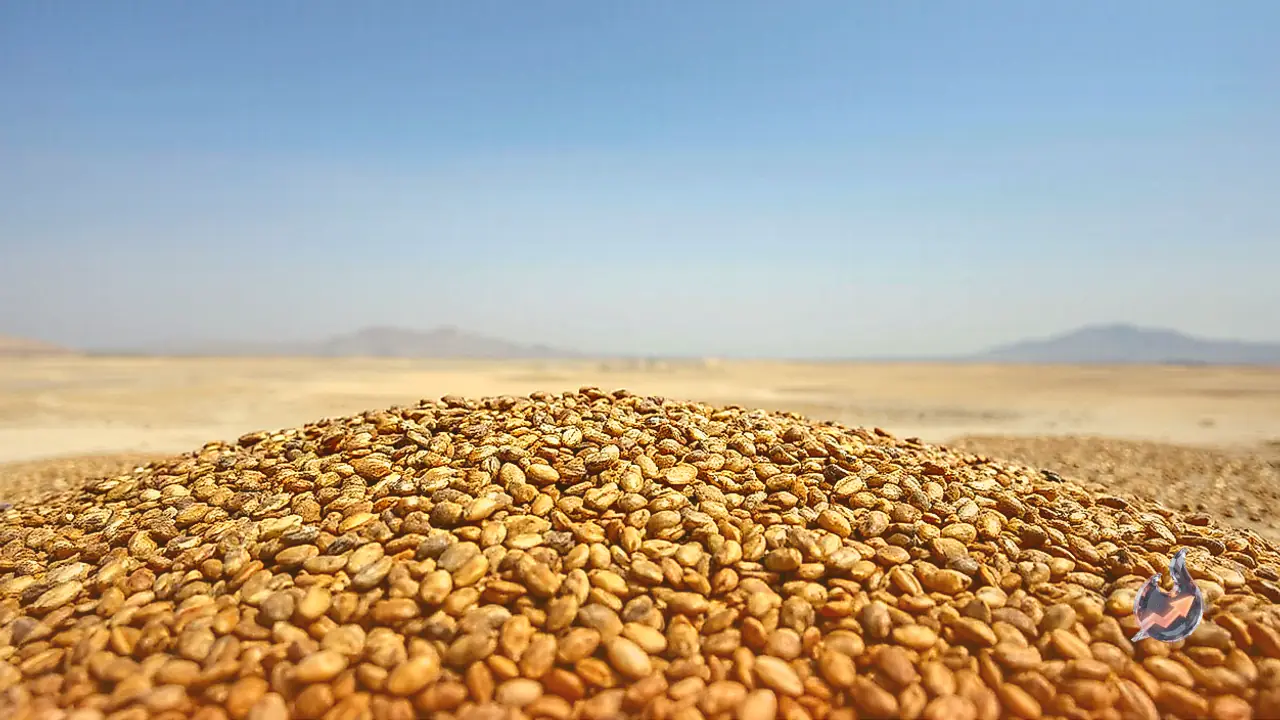
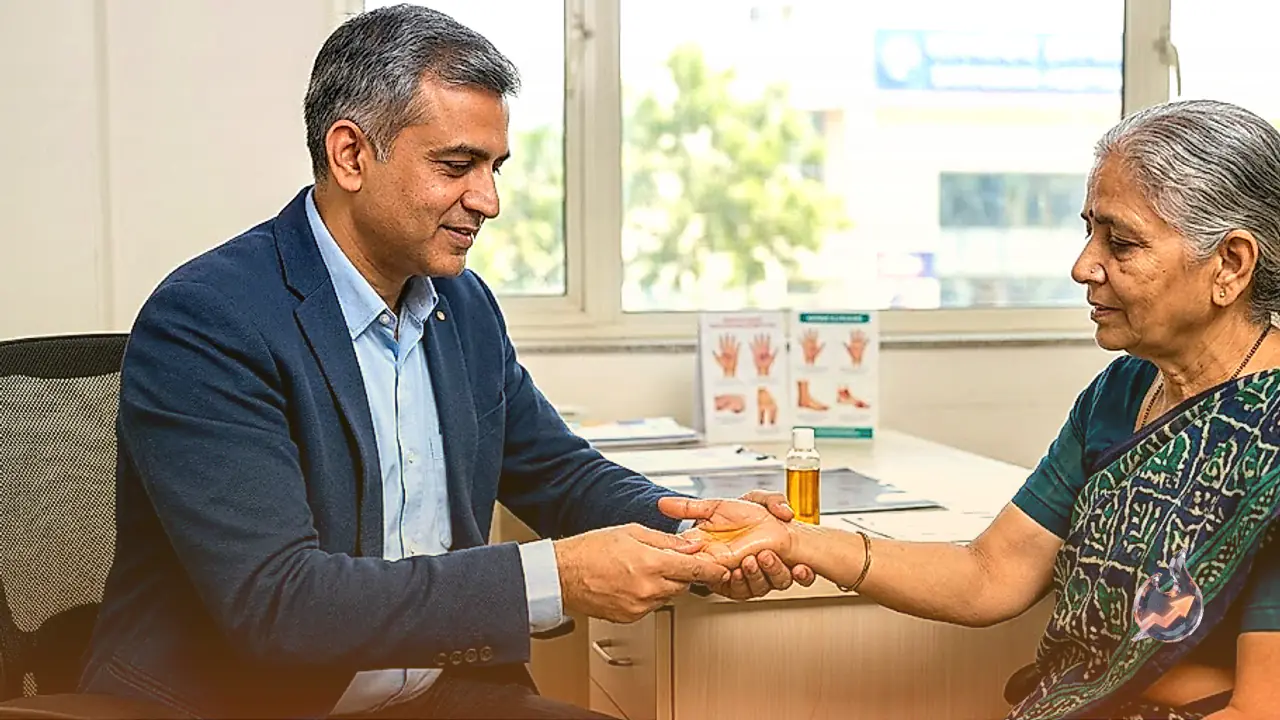
To alleviate the discomfort associated with localized numbness, Ayurveda advocates the application of medicinal oils combined with gentle thermal fomentation. Dr Chetan Sharma recommends using black sesame oil at home as an effective natural remedy. In situations where black sesame oil is not readily available, pure mustard oil serves as a viable alternative. Gently massaging the affected area with slightly warm oil followed by mild heat compression helps generate localized warmth. This process significantly encourages blood flow to the affected tissues, relaxing surrounding muscle tension and restoring comfort to the sensory pathways.
Role of Massage in Reactivating Peripheral Nerves
Applying oil massage followed by thermal compression serves a vital role in stimulating and reactivating dormant or compressed nerves. The gentle pressure and warmth help ease neural congestion, aiding in the control and mitigation of tingling sensations. This non-invasive technique can be easily carried out at home without requiring elaborate equipment. However, Dr Sharma emphasizes that if the numbness recurs frequently or persists over longer intervals, home remedies alone should not be relied upon as a permanent cure. Persistent symptoms demand a comprehensive clinical evaluation by a qualified Ayurveda specialist to determine exact medical requirements.
Age Agnostic Nature: Why Symptoms Should Not Be Dismissed
There is a widespread misconception that numbness in the hands and feet is exclusively an age-related issue affecting older adults. Dr Chetan Sharma refutes this notion, clarifying that nerve-related numbness can affect individuals across all age demographics. The underlying triggers may vary considerably depending on age group, lifestyle, and medical history. Therefore, assuming that loss of sensation is merely a normal part of aging can delay necessary diagnostic checks. While home care routines like warm oil application provide general relief, persistent numbness requires professional medical diagnosis regardless of the patient's age.
Monsoon Dietary Precautions and Dosha Imbalances
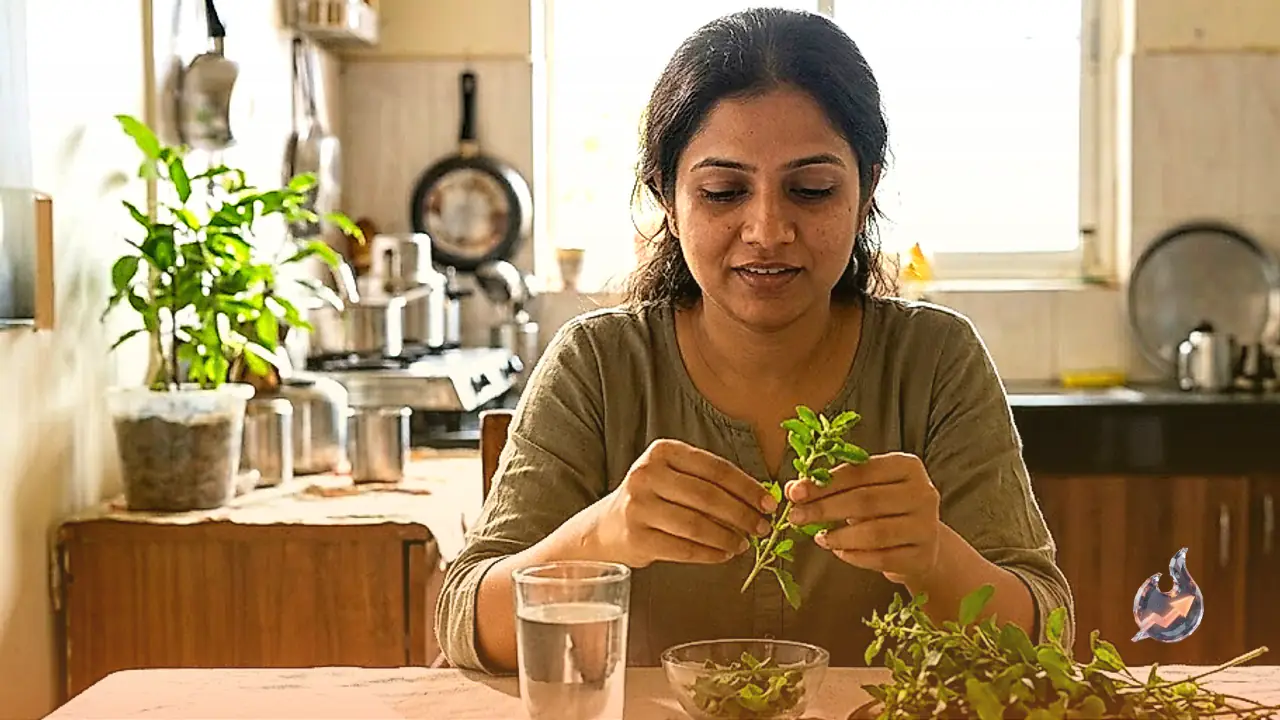
Dietary habits play an influential role in maintaining nerve health and systemic balance according to Ayurvedic medicine. Dr Chetan Sharma highlights that dietary vigilance becomes particularly crucial during the rainy season. During monsoon, it is common for households to store cooked food in the refrigerator and reheat it for later consumption. According to Ayurvedic principles, consuming stale or repeatedly reheated food aggravates Vata and Pitta doshas within the body. An imbalance in Vata dosha is intimately linked to neurological disturbances, joint stiffness, and sensory loss. Consequently, consuming freshly prepared, warm, and thoroughly cooked meals during the rainy months is strongly recommended.
Prioritizing Fresh Digestible Foods and Recognizing Danger Signs
During the monsoon season, meals should consist of light, freshly prepared foods that the digestive system can process easily. Consuming food that has been stored for long periods strains digestive metabolism and triggers systemic imbalances. If numbness occurs only occasionally due to prolonged static posture, changing positions and engaging in light limb movement usually restores normal sensation quickly. However, if the numbness manifests frequently, lasts for extended periods, or is accompanied by muscle weakness, loss of coordination, or difficulty walking, prompt clinical examination by a doctor is essential to ensure proper diagnosis and treatment.