























A recent wildlife rescue operation in Davanagere, Karnataka, turned tense when a leopard, struck by a car on a highway, attacked a forest department official. Although officials had successfully tranquilized the animal, it managed to injure the official before losing full consciousness. Incidents of this nature frequently trigger important public health questions, particularly regarding whether a rabies vaccination is strictly necessary if a leopard bites or scratches a human.
The Rabies Risk Associated with Leopards
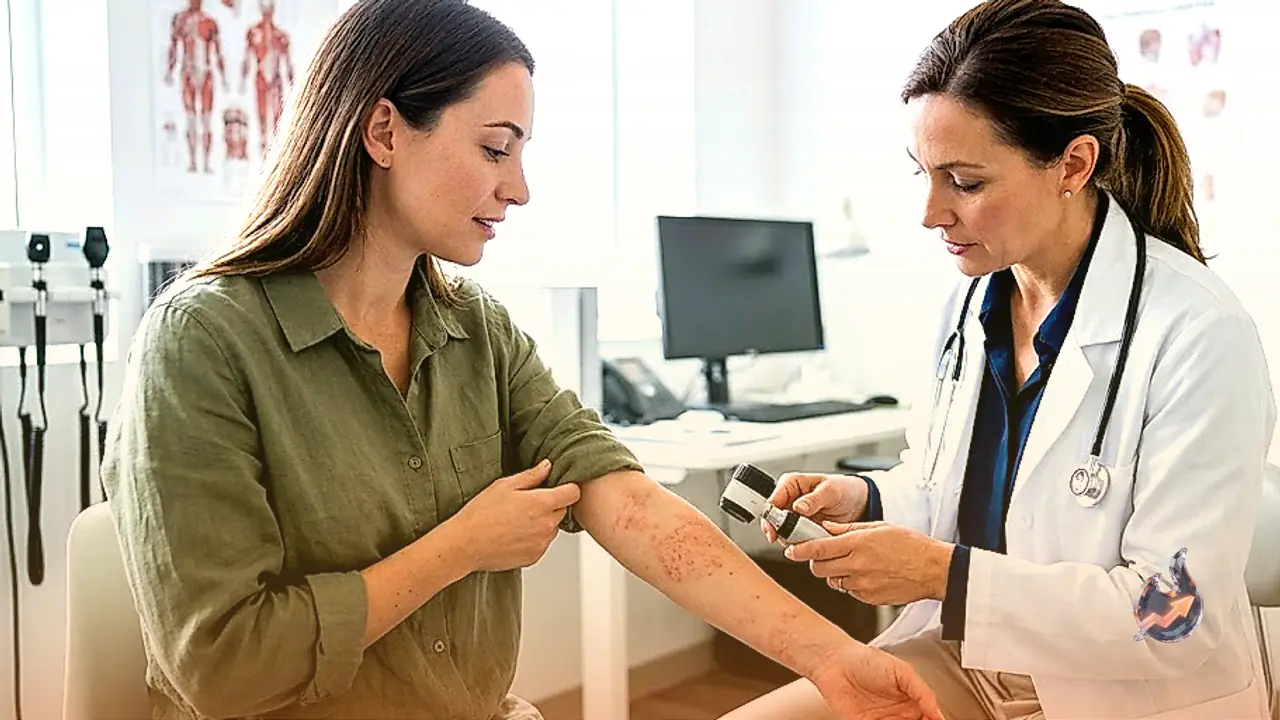
Rabies is widely misunderstood as a condition transmitted exclusively through dog bites. In reality, the virus can spread via the saliva of any infected mammal. Consequently, any encounter with a wild animal resulting in a bite or a scratch that breaks the skin is classified as a potential rabies exposure. According to guidelines from the World Health Organization, individuals who experience a potential rabies exposure from an animal should seek immediate medical assistance, which may include initiating post-exposure prophylaxis or PEP.
This does not imply that every single person bitten by a leopard will require identical medical management. Physicians carefully evaluate the nature of the contact, the severity of the wound, and the overall risk of rabies before deciding whether vaccines and other pharmaceutical interventions are necessary. Even minor surface scratches or injuries that do not bleed profusely should never be dismissed or ignored.
Immediate Actions Following an Animal Attack
The most vital immediate step after suffering an animal bite or scratch is thorough wound cleansing. According to the World Health Organization, the affected area should be washed thoroughly with soap and running water for at least 15 minutes. This crucial action helps physically remove and neutralize virus particles present around the wound site. Following this cleansing process, the individual must travel to a hospital or medical center as quickly as possible for professional evaluation.
People should strictly avoid applying home remedies such as chili powder, cooking oil, soil, plant extracts, or harsh chemicals directly onto the wound. Such unverified practices can cause further tissue damage and delay proper medical treatment. Relying on traditional methods instead of seeking professional care can create dangerous delays in managing potential infections.
Understanding Vaccines and Immunoglobulin Requirements
World Health Organization protocols dictate that if an encounter with a potentially rabid animal results in minor scratches or abrasions that break the skin, a rabies vaccination is typically required. However, if the animal delivers a deep bite penetrating the skin, severe scratches, or if its saliva comes into direct contact with an open wound, the eyes, or the mouth, it is classified as a severe exposure. In such critical scenarios, rabies immunoglobulin must be administered alongside the standard vaccination series.
According to India's National Rabies Control Programme, severe category three bite wounds necessitate the administration of rabies immunoglobulin. Therefore, victims of wild animal attacks should never attempt to self-diagnose or decide independently whether an injection is required. Immediate professional medical consultation is indispensable.
Never Wait for Clinical Symptoms to Appear
Rabies is an extremely serious and progressive condition. Once clinical symptoms of the disease begin to manifest, the condition is almost invariably fatal. However, timely intervention immediately following exposure, including thorough wound washing, timely administration of the rabies vaccine, and the use of immunoglobulin when indicated, can successfully prevent the onset of the disease. Therefore, individuals must never delay starting medical treatment after being bitten or scratched by a leopard or any other wild animal.