























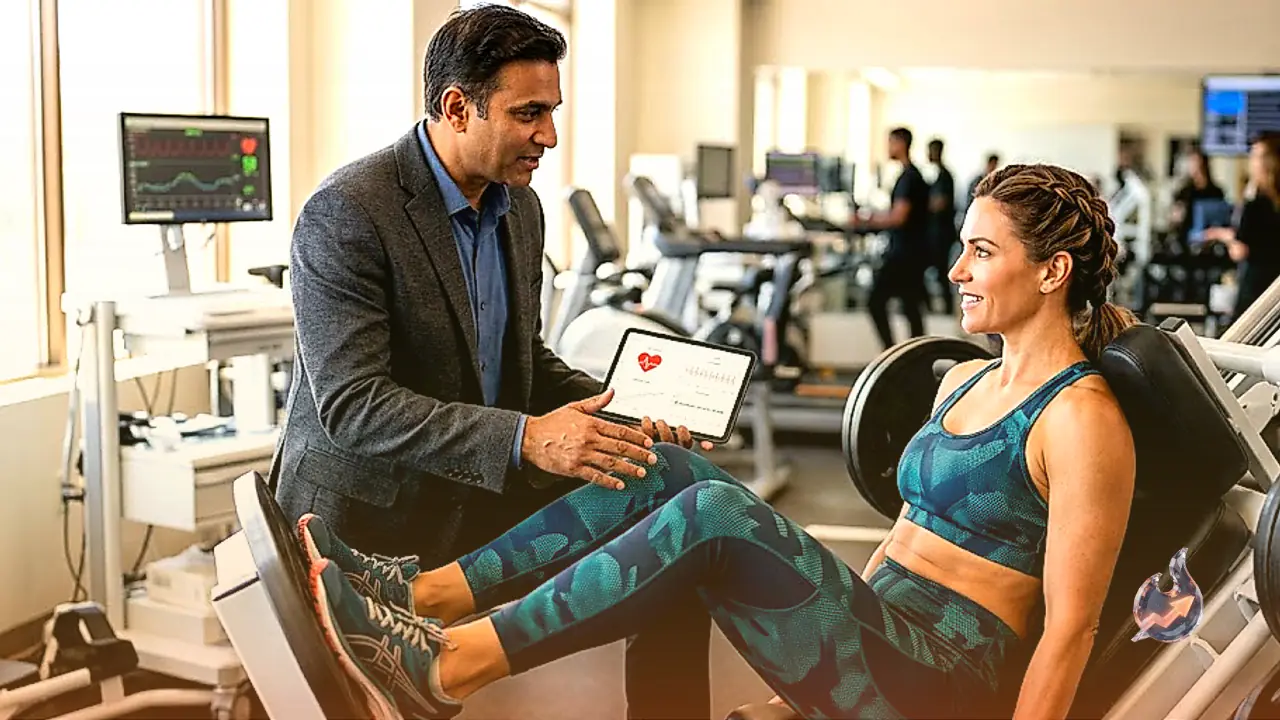

When assessing overall physical health, standard measures like body weight, thinness, or body mass index often dominate the conversation. However, medical experts emphasize that being lean or carrying extra weight does not alone determine a person's complete health status. A critical yet frequently overlooked pillar of physical fitness is the strength, density, and quality of skeletal muscle. In particular, the muscles of the thighs play a pivotal role in physical endurance, metabolic stability, and overall longevity. According to Dr. Saurabh Sethi, a gastroenterologist and specialist in stomach and liver diseases based in California, lower body muscle strength is essential for preventing systemic illnesses and maintaining physical vitality across all stages of life.
The Medical Link Between Thigh Circumference and Heart Health
Multiple clinical investigations have revealed an unexpected correlation between lower thigh circumference and increased long-term health risks. Individuals with lower muscle mass or smaller thigh girth often exhibit a higher incidence of cardiovascular complications and an elevated risk of premature mortality. However, health experts clarify that thin thighs should not automatically be viewed as a negative indicator, nor should body fat be considered beneficial. The core factor is the structural strength and volume of the thigh musculature rather than subcutaneous fat. Robust leg muscles serve as a protective barrier, reducing susceptibility to metabolic disorders and chronic cardiovascular conditions.
Metabolic Efficiency, Insulin Sensitivity, and Cardiovascular Vitality
The thighs contain some of the largest muscle groups in the human body, acting as major reservoirs for glucose storage and energy utilization. Strong thigh muscles significantly enhance the body's ability to clear glucose from the bloodstream, thereby improving insulin sensitivity and supporting healthy metabolic function. Maintaining high insulin sensitivity helps safeguard the body against type 2 diabetes and metabolic syndrome. Furthermore, consistently engaging leg muscles through movement enhances overall physical activity levels. Regular engagement of lower body muscles plays a direct role in regulating blood pressure, optimizing cholesterol levels, supporting weight management, and preserving long-term heart health.
Practical Daily Activities to Build Stronger Thigh Muscles
Building and maintaining strong leg muscles does not necessarily require intensive weightlifting or specialized gymnasium equipment. Functional daily movements offer an accessible and effective means to stimulate muscle growth and endurance. Opting to climb stairs instead of taking elevators actively engages the quadriceps and hamstrings. Walking on inclined surfaces or uphill terrain adds natural resistance that strengthens lower body fibers. Simple bodyweight exercises, such as performing unweighted squats or repeatedly rising from a chair without using hands for support, effectively target key muscle groups. Incorporating regular, brisk daily walks further ensures optimal joint mobility, circulatory health, and muscular stamina.