



















Underground excavation work for a four-lane highway project has triggered acute safety alarms across residential clusters in Shimla, Himachal Pradesh. Heavy drilling and tunneling under Sanjauli, Dhalli, and Bhattakufar have damaged nearby surface dwellings, producing deep structural fractures that threaten multiple buildings. Faced with escalating public alarm and visible structural degradation, local authorities intervened to freeze all related development work.
Severe Structural Fractures Strike Residential Zones
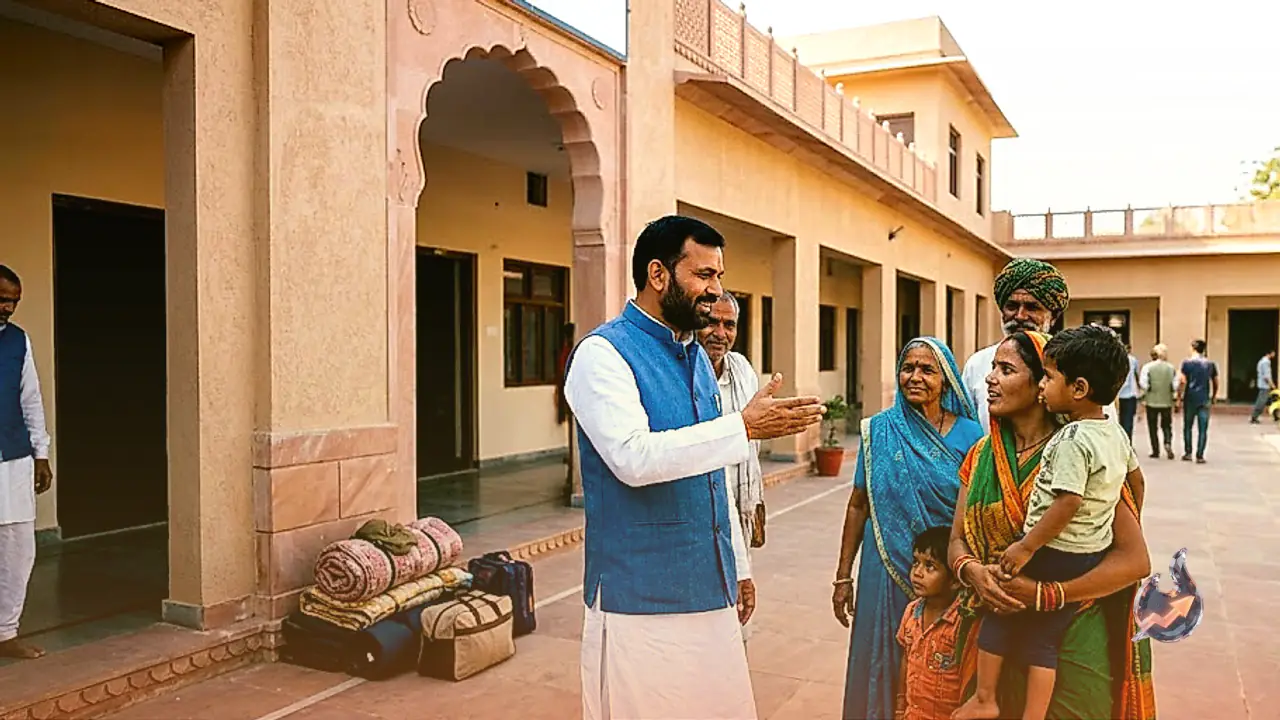
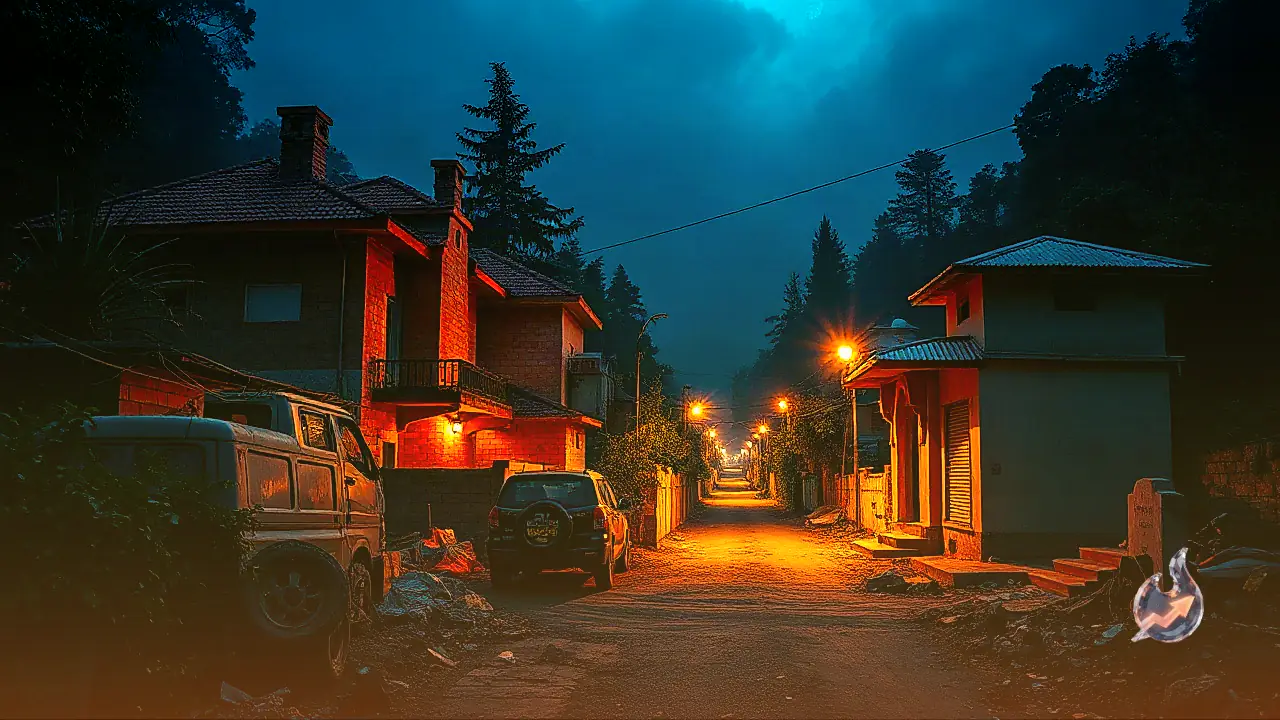
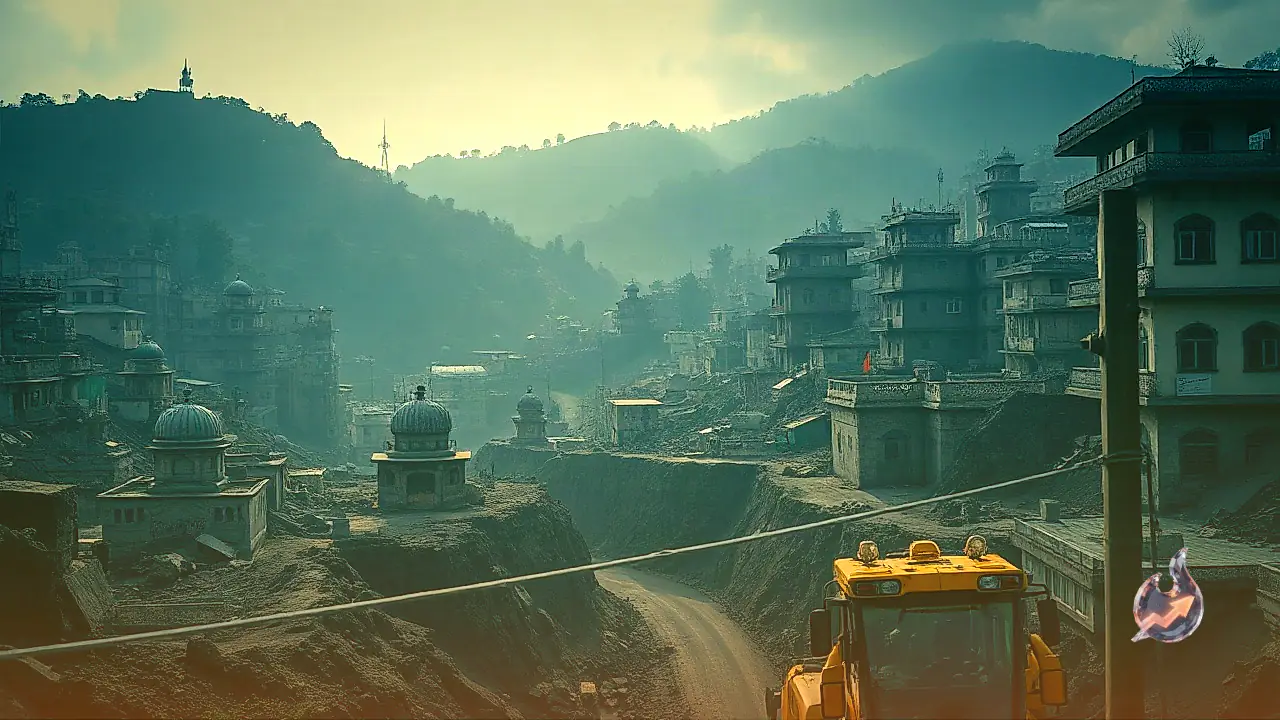
The subsurface boring beneath the hilly terrain has severely compromised the foundation of neighbouring neighborhoods. Between 13 and 14 residential buildings spread across Sanjauli, Cemetery Bhattakufar, and Dhalli have developed alarming fractures. The damage in several complexes is severe enough to spark fears of imminent collapse. Because of immediate safety hazards, authorities have already evacuated 4 residences situated in Sanjauli's heliport area to prevent casualties.
Residents from the Shanti Vihar ward expressed profound distress over the abrupt threat to their properties. Families who invested their life savings into constructing their mountain residences now face the grim reality of structurally compromised dwellings. Community representatives stressed that ongoing tunnel digging is proceeding without adequate safety safeguards, leaving households vulnerable to catastrophic ground shifts.
Cabinet Minister Slams Construction Quality and Oversight
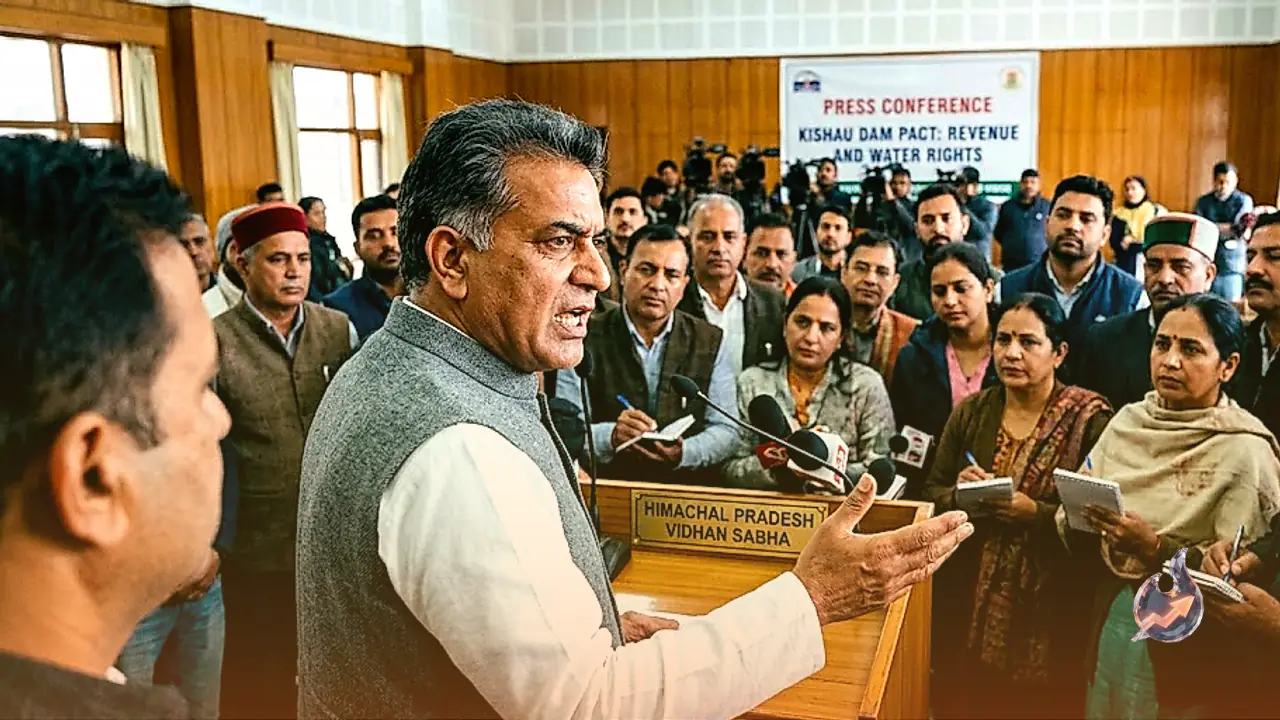
Taking notice of the deteriorating conditions, Cabinet Minister Aniruddha Singh launched an outspoken attack against the National Highways Authority of India and private execution firms. He accused the highway authority of compromising engineering standards and ignoring the welfare of the hill state's populace. The minister warned that the state administration would drag the central agency to court if the hazardous operations are not corrected immediately.
Directly questioning execution protocols, Aniruddha Singh stated, "NHAI is executing entirely sub-standard work, causing massive cracks in around 13 to 14 buildings across Sanjauli, Cemetery Bhattakufar, and Dhalli." The minister further alleged that certain officials within the agency are pocketing illicit funds while compromising public safety. He recalled that previous lapses along the corridor had already resulted in the collapse of a building, yet proper remedial precautions were disregarded.
Administrative Intervention and Calls for Judicial Inquiry
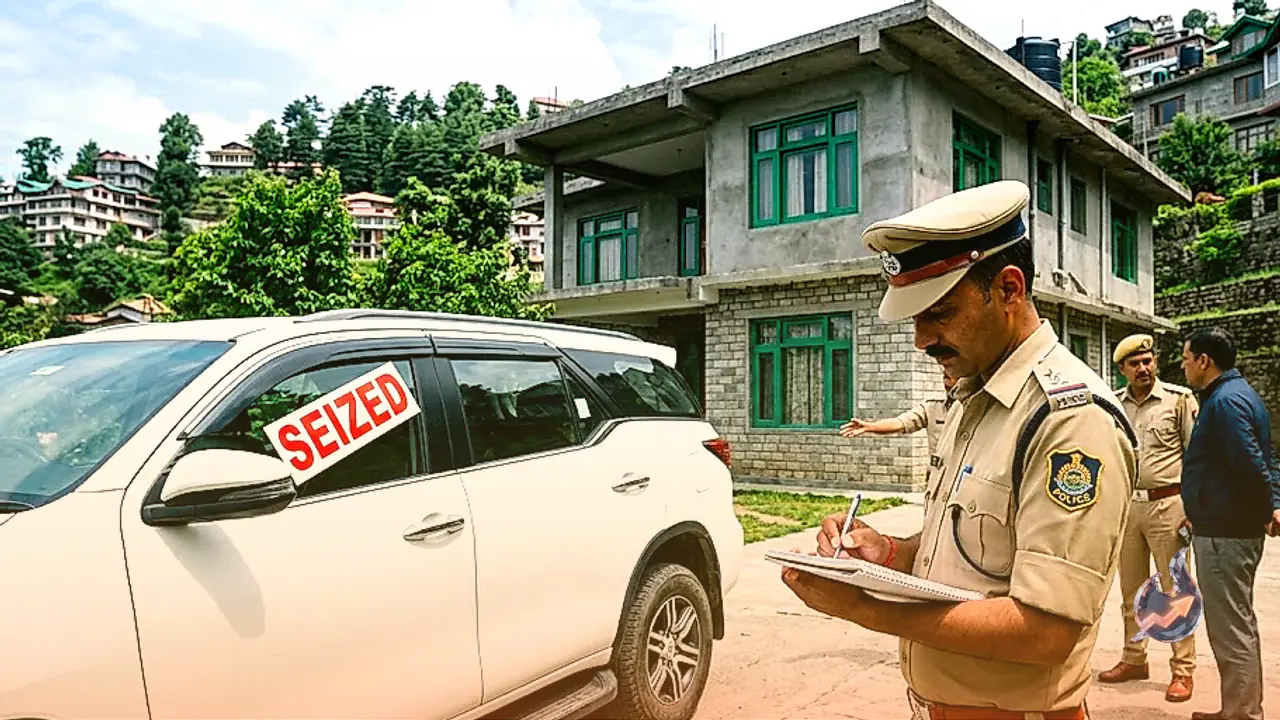
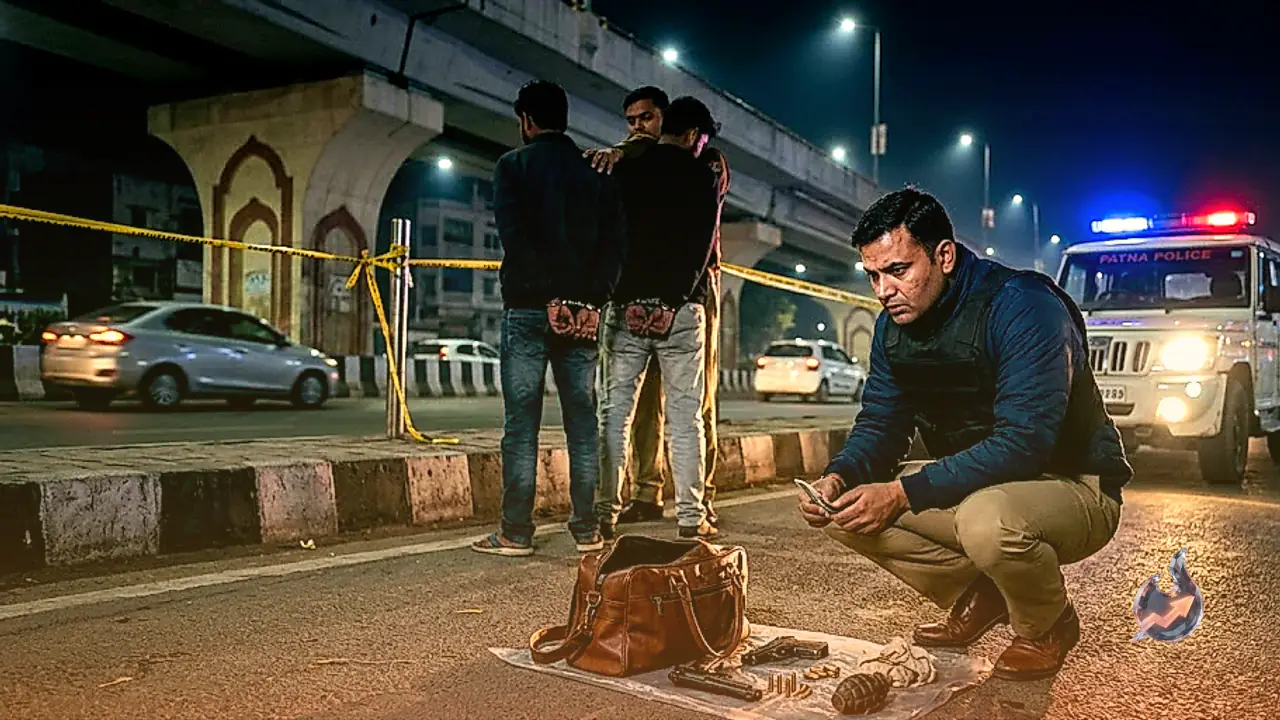
Shimla Deputy Commissioner Anupam Kashyap conducted an on-site physical inspection to appraise the extent of the damage. Responding to the structural hazards, the district administration revoked the existing permits and issued immediate stop-work orders for the project. Moving forward, the government intends to commission an exhaustive and independent technical evaluation of the corridor.
Minister Aniruddha Singh disclosed that a high-level review alongside the Chief Minister and the Chief Secretary will take place shortly to address the impasse. Plans are underway to establish a high-powered committee comprising geologists, environmental specialists, and departmental engineers. To ensure uncompromised credibility, the minister proposed that the probe should be headed by a retired high court judge or chief justice, ensuring strict accountability for any engineering negligence.
Affected Residents Seek Scientific Assessment and Relief
A citizens' delegation from the affected Shanti Vihar locality conferred with Cabinet Minister Aniruddha Singh to formally present their grievances. The group included municipal councilors Vineet Sharma and Narendra Thakur alongside former councilor Rajendra Chauhan. Their demands center on mandatory adherence to stringent hill-safety parameters, proper structural acquisition, and fair compensation for damaged properties.
The affected homeowners are also preparing to meet Chief Minister Sukhvinder Singh Sukhu to present their demands directly. The residents insist that tunnel excavation remain indefinitely frozen until reputable scientific bodies submit a transparent geological safety clearance. Furthermore, they demand robust stabilization interventions to protect their properties from future geological shocks caused by heavy civil engineering.