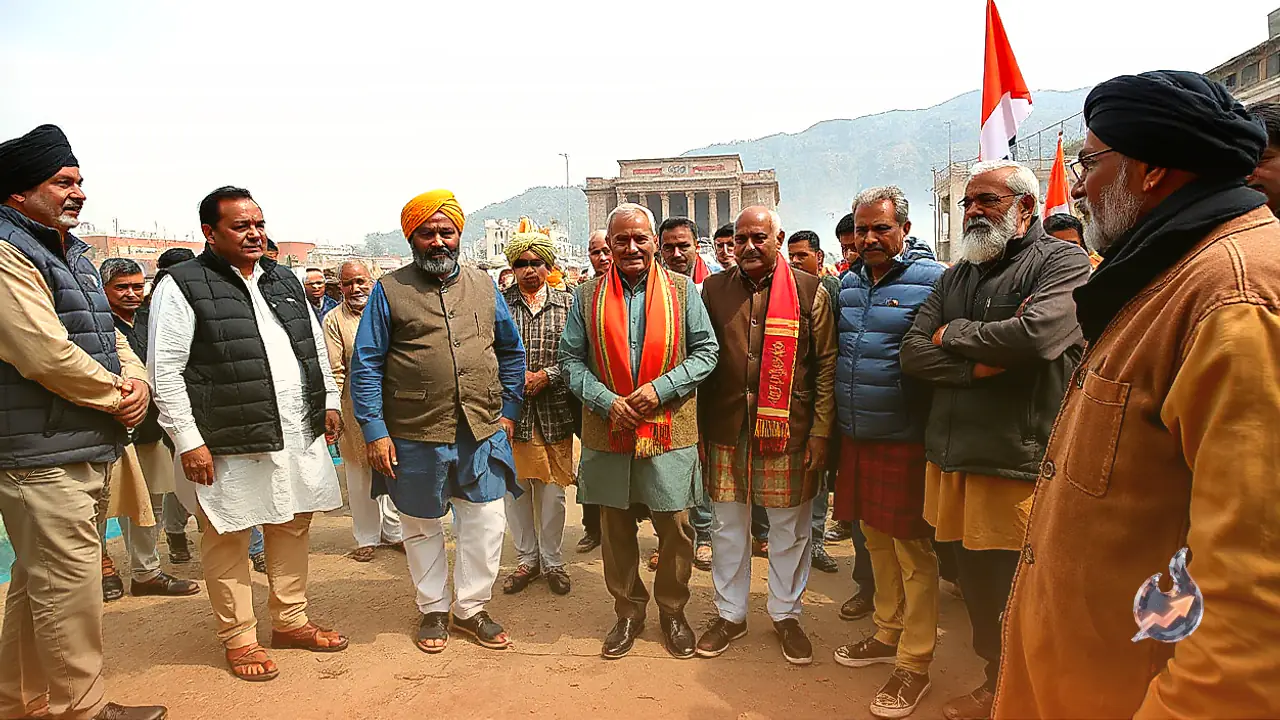

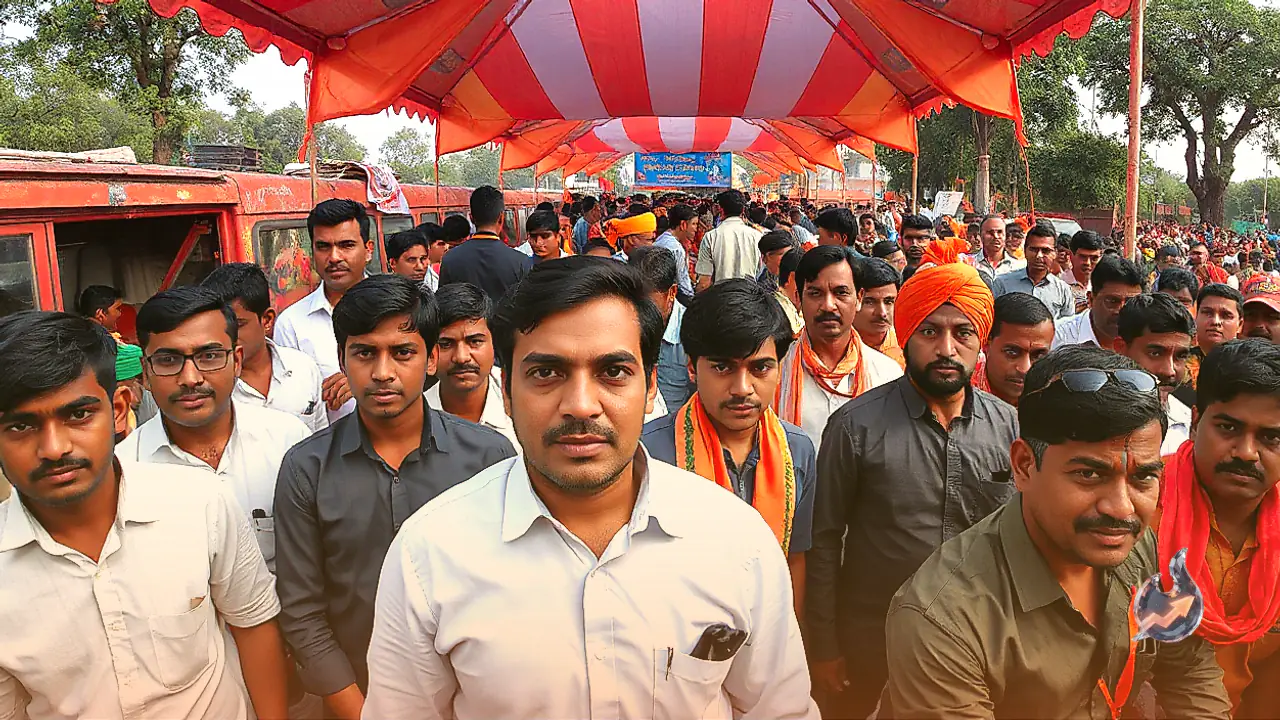














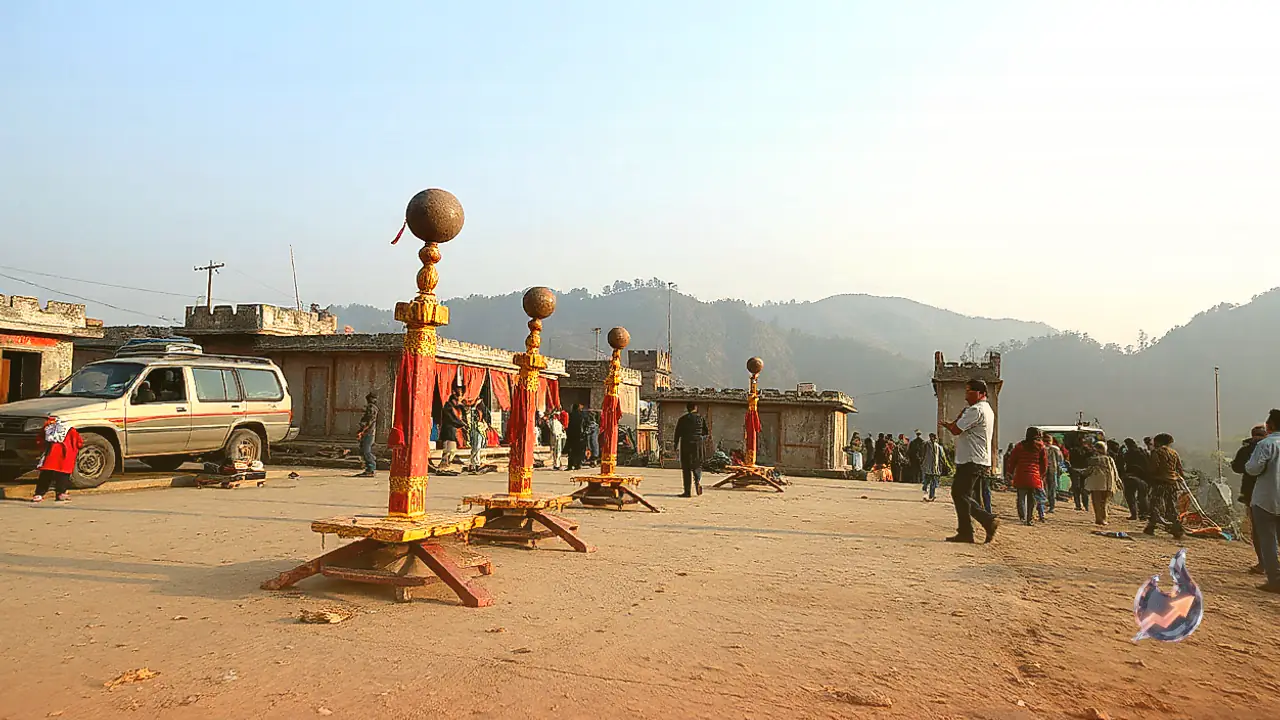

While communities across India celebrate the immediate aftermath of Diwali, a striking and centuries-old ritual is set to unfold in the hills of Himachal Pradesh. Located about 26 kilometers from the state capital Shimla, the village of Halog in the Dhami region is making preparations for its historic stone festival, locally known as Patthar Mela. Held on the day right after Diwali, this gathering features two opposing squads of villagers facing off across an open field, hurling stones directly at one another in a disciplined ritual duel.
Far from a spontaneous public dispute, this contest is a deeply sacred ritual tied to local folklore and royal heritage. The central belief governing the event is that the very first participant struck by a stone, from whose body blood flows, provides the sacred offering for the community. That person's blood is collected to apply a ceremonial blood tilak to the idol of Goddess Bhadrakali. Regarded as an essential symbol of regional heritage, the event is being organized once again this year with extensive community participation.
Royal Deities Worshipped Before the Contest Begins
The entire program commences with strict religious ceremonies directed by the descendants of the erstwhile Dhami royal line. The proceedings open with dedicated prayers to the village guardian deity, Dev Kurgun. Following this, the community gathers to worship Lord Narsingh, offering prayers for general peace, protection against calamity, and regional prosperity. Only after the completion of these sacred recitations does the royal family formally trigger the contest. A representative of the royal house casts the first ceremonial stone across the field, which serves as the official signal for both sides to launch their volley of stones.
Clash of the Traditional Khund Squads
The participants in this annual exchange belong to traditional fighting lineages known as khunds, representing ancestral warrior units. On one flank stands the Dhami royal house contingent, supported by squads hailing from Dhagoi, Jathouti, Katedu, and Tunsu. Taking the opposite side of the field is the Jamogi khund. As the two groups exchange stones, spectators watch intently for the deciding moment. The contest ceases immediately the instant anyone is injured and bleeds. Strikingly, participants who sustain cuts never complain of physical pain or distress; instead, they consider themselves immensely fortunate to have shed blood in service of the divine ritual.
Replacing Human Sacrifice with a Symbolic Mark
The custom of applying a blood mark to Goddess Bhadrakali stems from a major historical shift within the Dhami princely realm. According to regional oral history, the area once observed an ancient custom of human sacrifice to appease the deity and secure peace and protection from natural disasters. A former queen of the princely estate strongly opposed this lethal practice and intervened to ban human sacrifice outright. In its place, she established the ritual of offering a simple mark of human blood drawn through a controlled ritual contest. Since that royal reform, the community has sustained the stone fair to uphold the spirit of protection and piety without taking human life.
Sporting Spirit and Devotion Drive the Contest
Explaining the significance of the event, Jagdeep Singh, a descendant of the Dhami royal family, emphasized that the stone throwing involves no personal vendetta or malice. He stated that the participants step onto the field guided by sportsmanship and respect for ancestral custom rather than hostility. According to Jagdeep Singh, the core objective remains honoring religious commitments without resorting to human sacrifice, while seeking general welfare and abundance for the land. For the residents, the gathering represents a vital touchstone of their cultural identity, princely past, and unwavering reverence for local deities.
Large Crowds and Strict Traffic Controls
The fair attracts heavy footfall every year, with local youth and families from Halog and surrounding hamlets converging to witness the unique spectacle. The intense energy of the traditional warrior squads makes it one of the most talked-about events in the area. Given the obvious hazards of stones flying through the air and the large assembly, authorities enforce strict movement curbs. During the festivities, vehicular traffic along the Dhami-Shimla and Dhami-Halog routes is tightly monitored or temporarily halted. Blending princely history, religious reverence, and communal solidarity, the Halog stone fair remains one of the most distinctive cultural practices across Himachal Pradesh.