



















Rajasthan is aggressively revamping its core infrastructure, directing substantial resources toward highway links, industrial corridors, rail networks, and modern electricity systems. To keep pace with rising power consumption and accelerate clean electricity adoption, the state is overhauling its entire transmission and supply architecture. Under this initiative, an expenditure of 98,759 crore rupees is being deployed across 19 major electricity transmission and distribution projects. The core objective of this massive capital commitment is to establish an uninterrupted power delivery network capable of supporting rapid renewable energy expansion while satisfying rising residential and commercial demand across the state.
Barmer Complex to Anchor 6 GW Solar Capacity
Western Rajasthan offers ideal conditions for clean power generation thanks to broad swathes of open land and abundant direct sunlight throughout the year. Taking advantage of these natural assets, a mammoth 6-gigawatt solar project is taking shape in the Barmer complex under Phase IV of the Rajasthan Renewable Energy Zone (REZ) program. This undertaking is designed to generate green electricity at a massive utility scale. However, generating enormous volumes of solar power requires an equally sophisticated evacuation setup, which is why specialized infrastructure like the Fatehgarh-II transmission system is being developed in parallel to carry this power smoothly from generation fields into the broader grid.
Modern Transmission Lines Address Evacuation Bottlenecks
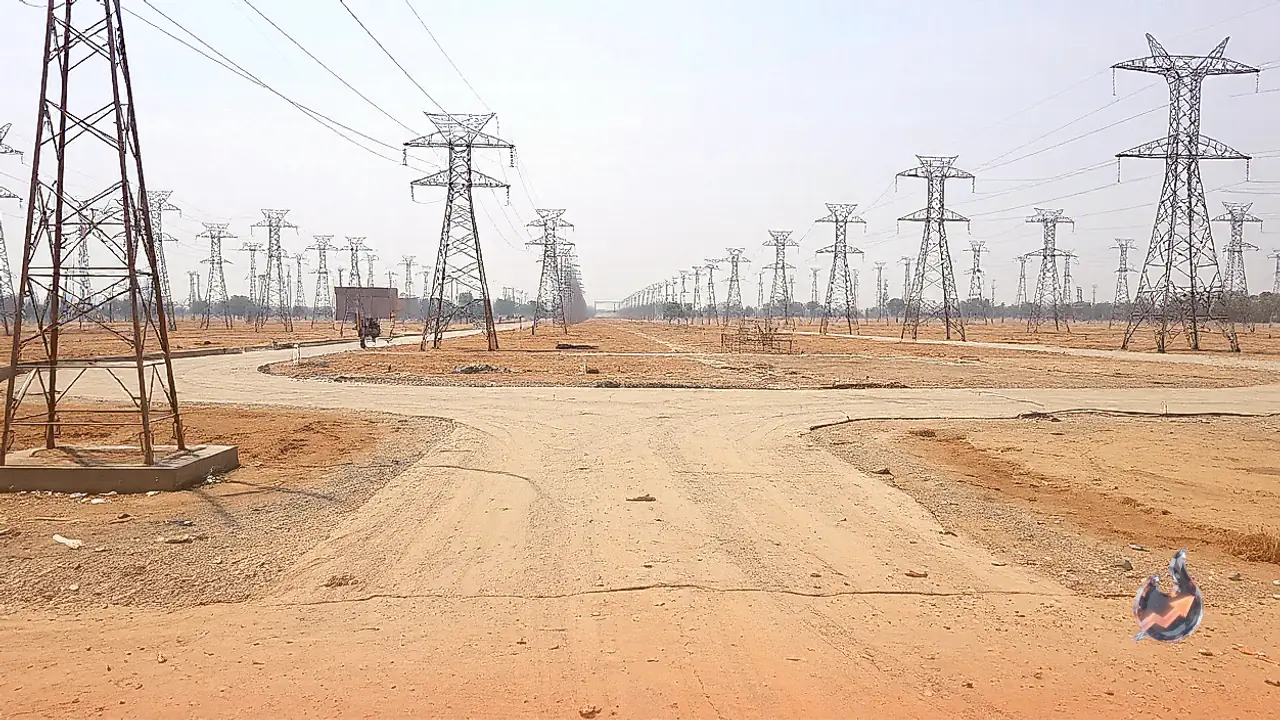
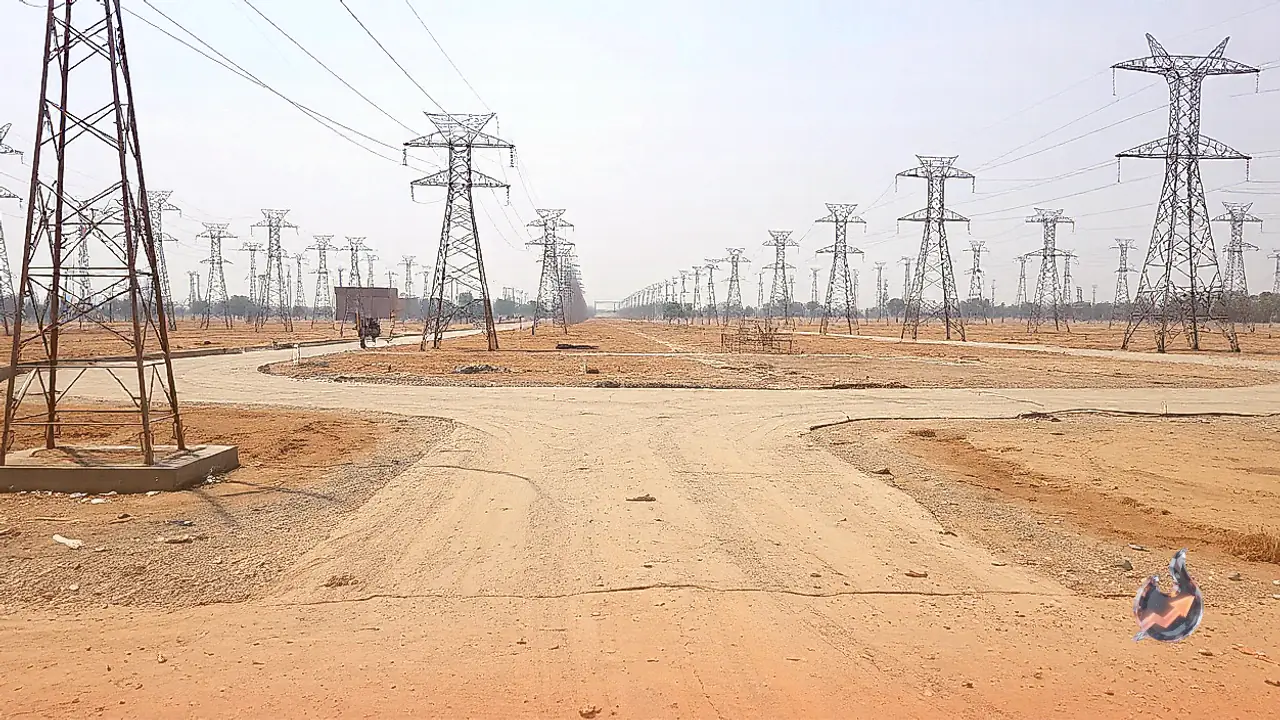
As green energy generation capacities scale up across arid districts, transferring electricity from remote generation nodes to population centers presents severe logistical and engineering challenges. Meeting these demands requires setting up robust high-voltage transmission lines, modern grid substations, and cutting-edge switching stations. The 98,759 crore rupee capital commitment across the 19 power transmission and distribution undertakings focuses directly on eliminating these bottleneck risks. By fortifying the technical backbone of the power network, the state ensures that surplus renewable power can be integrated seamlessly into the grid without risking line overloads or frequency instability.
Reliable Power Supply for Factories, Cities, and Villages
A stronger transmission backbone will yield tangible economic dividends well beyond renewable energy installations. A more resilient grid allows the state to channel uninterrupted, high-quality electricity into burgeoning manufacturing belts, expanding urban centers, and agricultural communities in rural areas. Industrial operations will gain access to stable voltage and continuous power, reducing reliance on expensive backup power arrangements. Simultaneously, household consumers across both metropolitan zones and countryside villages will experience far fewer outages during high-demand seasonal peaks.