






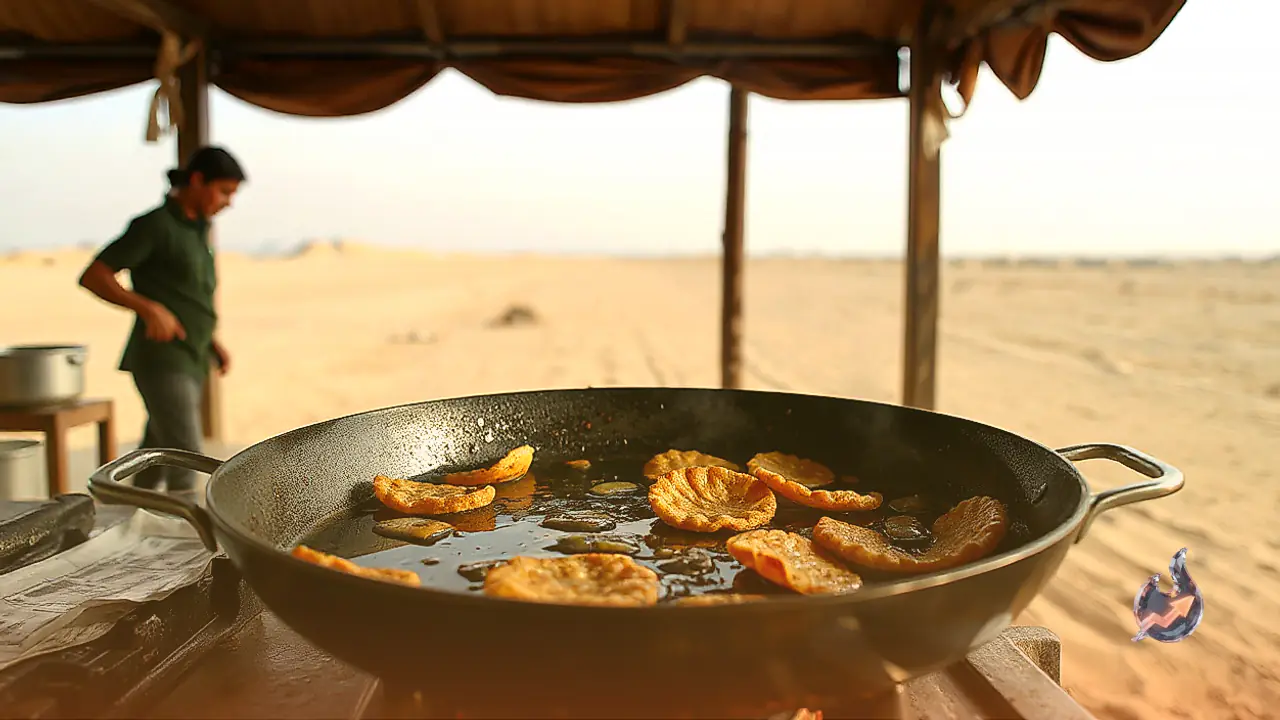
















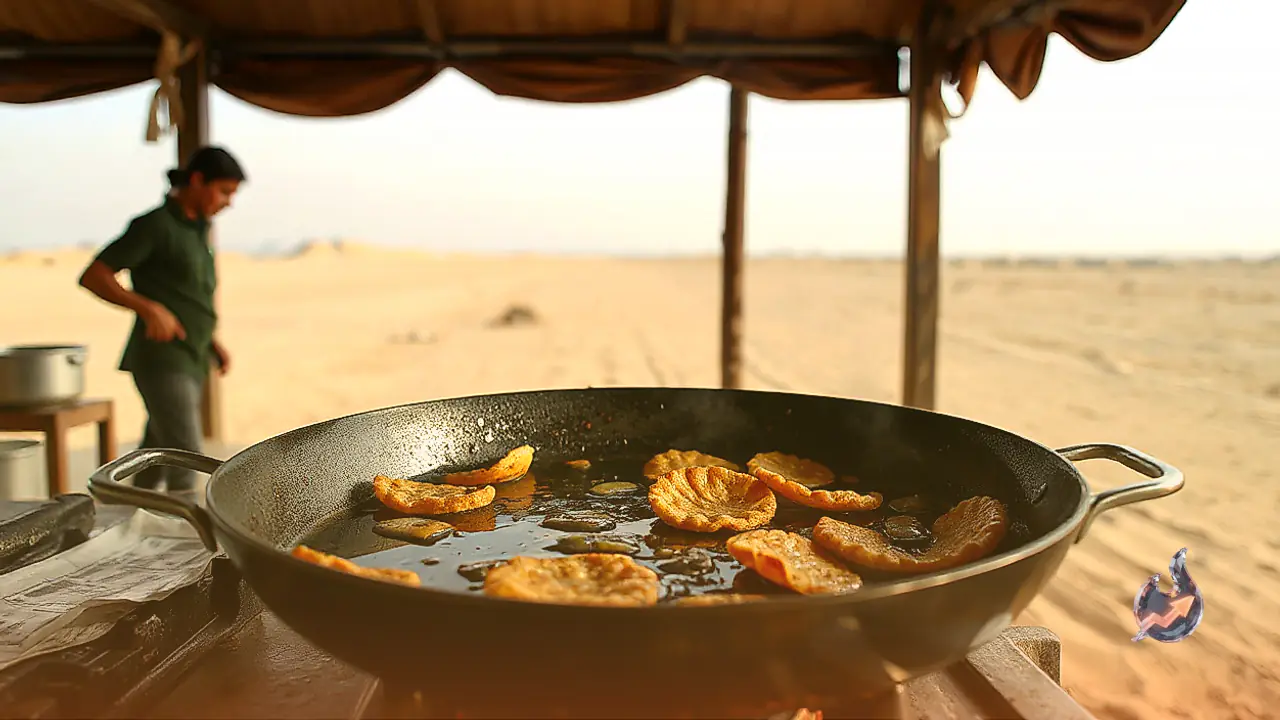

Whenever festive gatherings, family functions, or household guests arrive, kitchens frequently prepare deep-fried delicacies such as poori, pakora, kachori, and samosa. Once the cooking concludes, a substantial amount of cooking oil often remains sitting at the bottom of the pan. Many households view this remaining oil as waste and immediately discard it, leading to financial loss. Conversely, some people make the mistake of repeatedly reheating the exact same oil over high heat for everyday meals. From a medical perspective, persistent reheating can be detrimental to human health. However, if the oil retains its baseline quality, adopting specific precautions allows for its limited and safe secondary culinary use.
Cooling Down and Proper Filtration Steps
According to Lali Devi, repurposing cooking oil after frying requires a cautious, step-by-step approach. The primary and most critical instruction is to allow the hot oil inside the pan to cool down completely on its own. Attempting to filter or handle oil while it is still scalding hot should never be done, as it carries an immediate risk of severe burns and kitchen accidents.
Once the oil reaches room temperature, it should be carefully poured through a fine mesh strainer or a clean, dry cotton cloth. This filtering process successfully extracts burnt food fragments, charred particles, and residual spices left behind from the frying process. If these tiny burnt remnants are left inside, they spoil the oil much faster. Following thorough filtration, the clean liquid should be transferred into a dry, spotless container and sealed tightly against ambient moisture.
Inspecting Color, Smell, and Smart Usage
Before putting filtered oil back to work, its physical characteristics must be closely evaluated. If the oil displays a normal color, carries an uncompromised smell, and was not previously scorched at extreme smoking points, it remains suitable for controlled kitchen tasks. It can be conveniently used for tempering everyday vegetable dishes, seasoning cooked lentils, or preparing lightly sautéed meals.
At the same time, the type of food previously fried in that batch requires careful consideration. Oil that was earlier utilized to prepare fish or heavily spiced ingredients must not be repurposed for standard household recipes. The pungent aroma and strong lingering taste of seafood and strong spices absorb directly into the fat, which inevitably ruins the natural flavor and delicate fragrance of any ordinary dish prepared later.
The Health Hazards of Repetitive Reheating
Subjecting previously used cooking oil to multiple rounds of intense heat poses significant risks to human health. When culinary fats are repeatedly boiled at high temperatures, their chemical bonds break down, triggering the formation of toxic compounds and harmful byproducts. These substances can disrupt digestion and create lasting cardiovascular strain over time. Because of this degradation, cooking oil that has already gone through a frying cycle must never be reused for deep frying again.
Identifying Spoiled Oil and Responsible Disposal
Certain telltale signs indicate that used oil has reached the end of its safe lifespan. If the liquid has turned visibly dark or black, develops frothy foam when warmed, takes on a heavy sticky texture, or releases a harsh burnt odor, it must be discarded immediately. Consuming degraded fats exhibiting these symptoms can trigger immediate digestive distress and wider health consequences.
Furthermore, spoiled cooking oil should never be dumped straight down the kitchen sink or household drainage lines. Discarded fats congeal along interior plumbing walls, trapping food debris and triggering severe structural pipe blockages. Instead, ruined oil should be accumulated in an enclosed, leak-proof container or bottle and disposed of safely through standard municipal waste streams.