
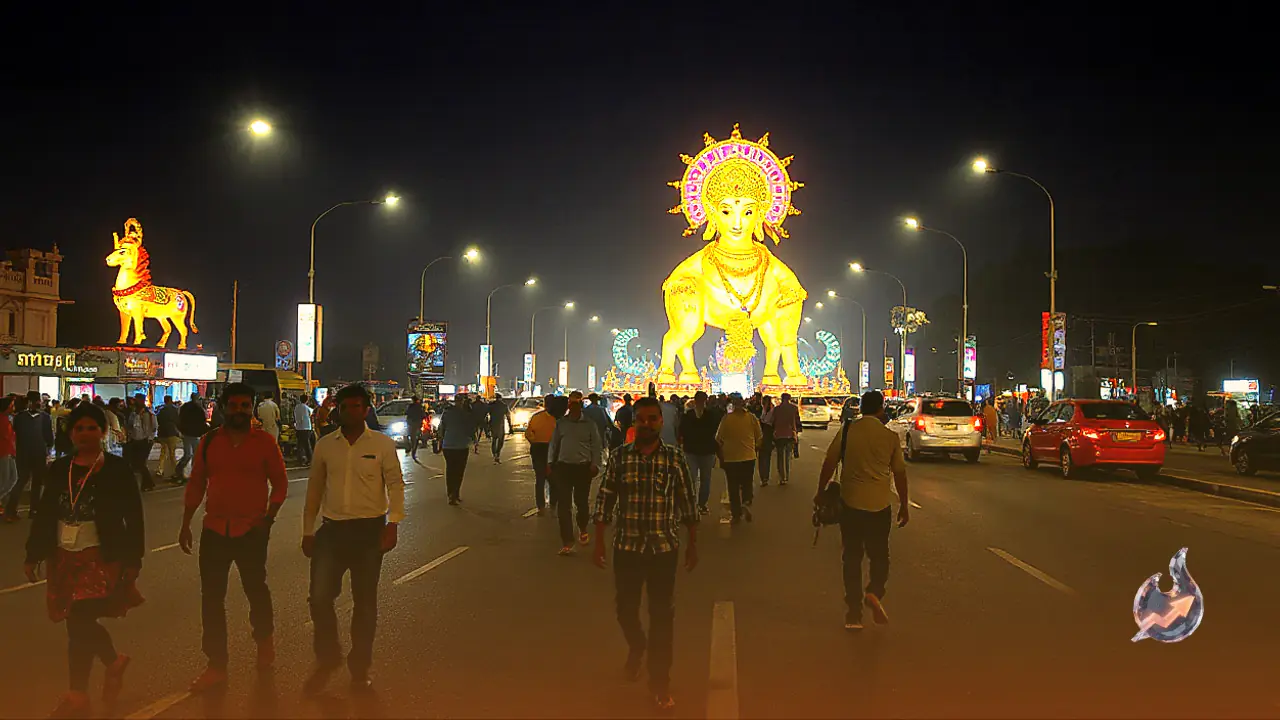



















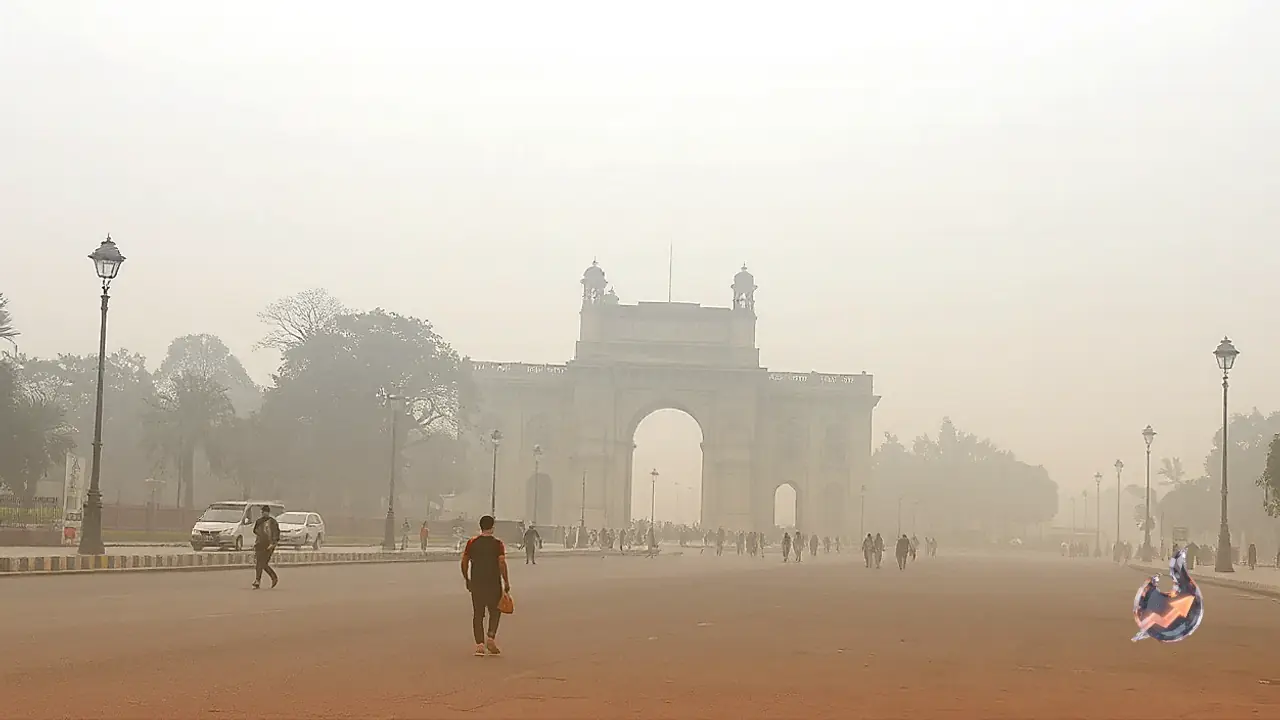

A sudden transition in weather patterns has significantly affected daily life across the national capital region. On November 5, temperatures dropped to their lowest point of the season, bringing an early winter chill alongside severe air contamination. As the mercury plummeted, dense layers of stagnant smog settled over the city, drastically reducing visibility during morning hours.
Plunging Temperatures and Stagnant Smog
Meteorological assessments indicate that cooler surface temperatures coupled with subdued wind speeds are trapping microscopic pollutants close to the ground. Morning commuters encountered biting cold along with heavy haze. The lack of air movement has prevented the natural dispersion of pollutants, intensifying the toxic layer hanging over urban neighborhoods.
Escalating Respiratory and Throat Ailments
The convergence of freezing conditions and deteriorating air quality has triggered widespread physical discomfort among residents. Exposure to the contaminated atmosphere is causing persistent coughing, eye irritation, and acute throat infections. Vulnerable groups, particularly young children and senior citizens venturing outdoors, are experiencing severe breathing difficulties.
Enforcement of GRAP Measures Amid Winter Challenges
Emergency guidelines under the Graded Response Action Plan have been enacted across the region to curb industrial and vehicular dust. However, seasonal factors including crop residue burning in neighboring zones, calm winds, and shifting atmospheric pressures continue to challenge remediation efforts. Authorities continue to urge citizens to minimize outdoor physical exertion and take preventive measures as the winter season advances.