




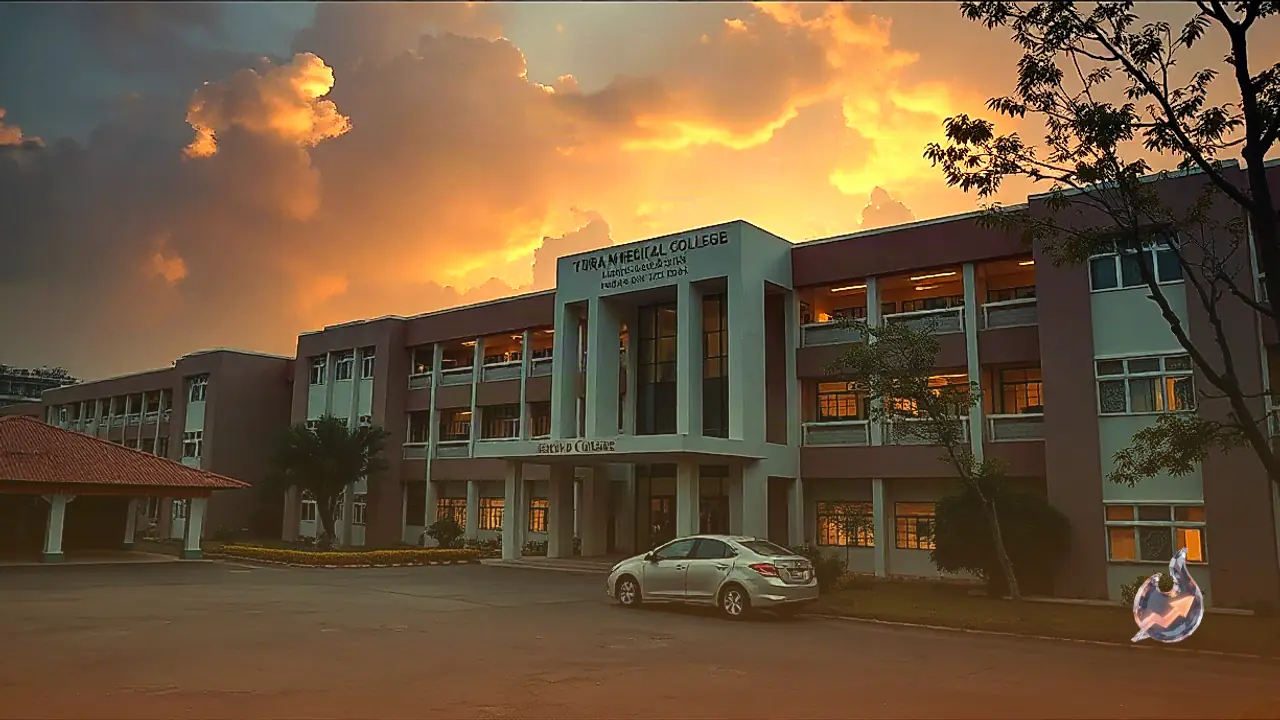

















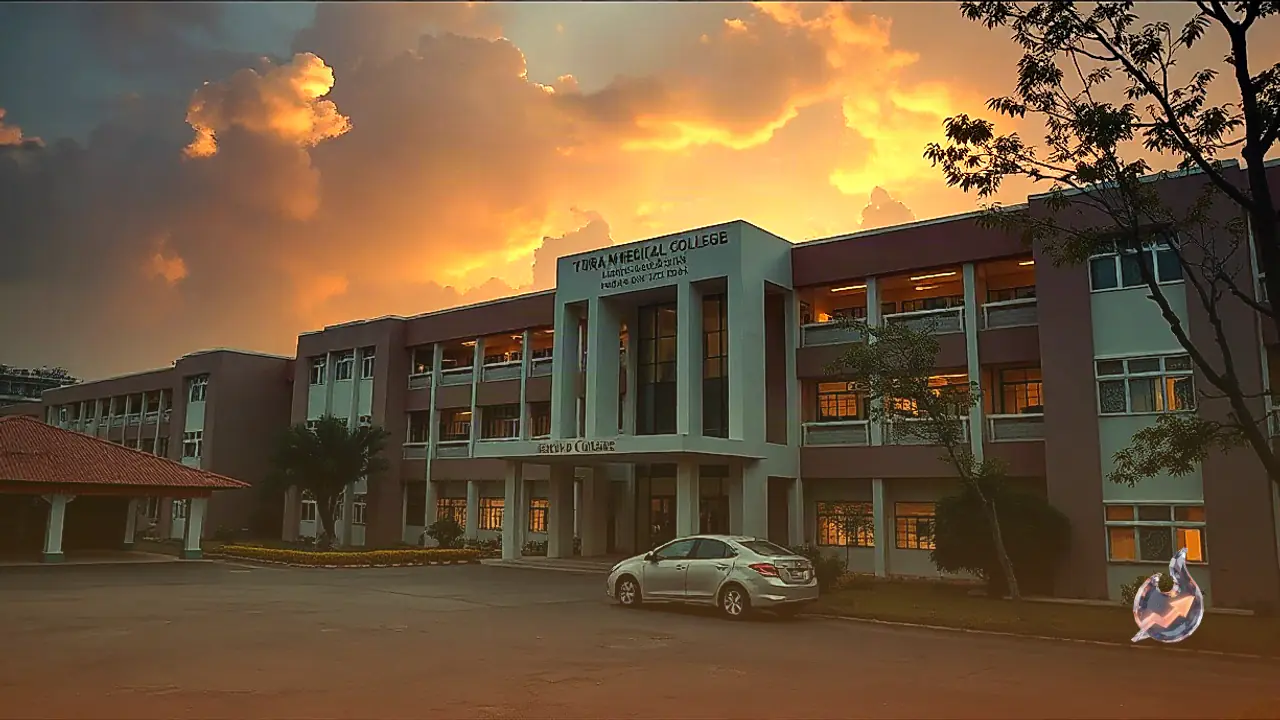

A severe shortfall of qualified teaching doctors has emerged as a major hurdle in operationalising Meghalaya's proposed Tura Medical College. To secure approval for an annual intake of 50 MBBS students, National Medical Commission guidelines require a minimum complement of 97 teaching faculty members. However, state authorities have managed to identify only 37 doctors so far, leaving an immediate gap of 60 faculty positions.
High-Level Review of Medical College Readiness
The gap in teaching personnel was evaluated during a comprehensive review meeting organised by the Health and Family Welfare Department to gauge overall administrative and clinical readiness. The session was chaired by Health and Family Welfare Commissioner and Secretary Dr Joram Beda, with discussions centering on teaching manpower mobilization and essential infrastructure delivery.
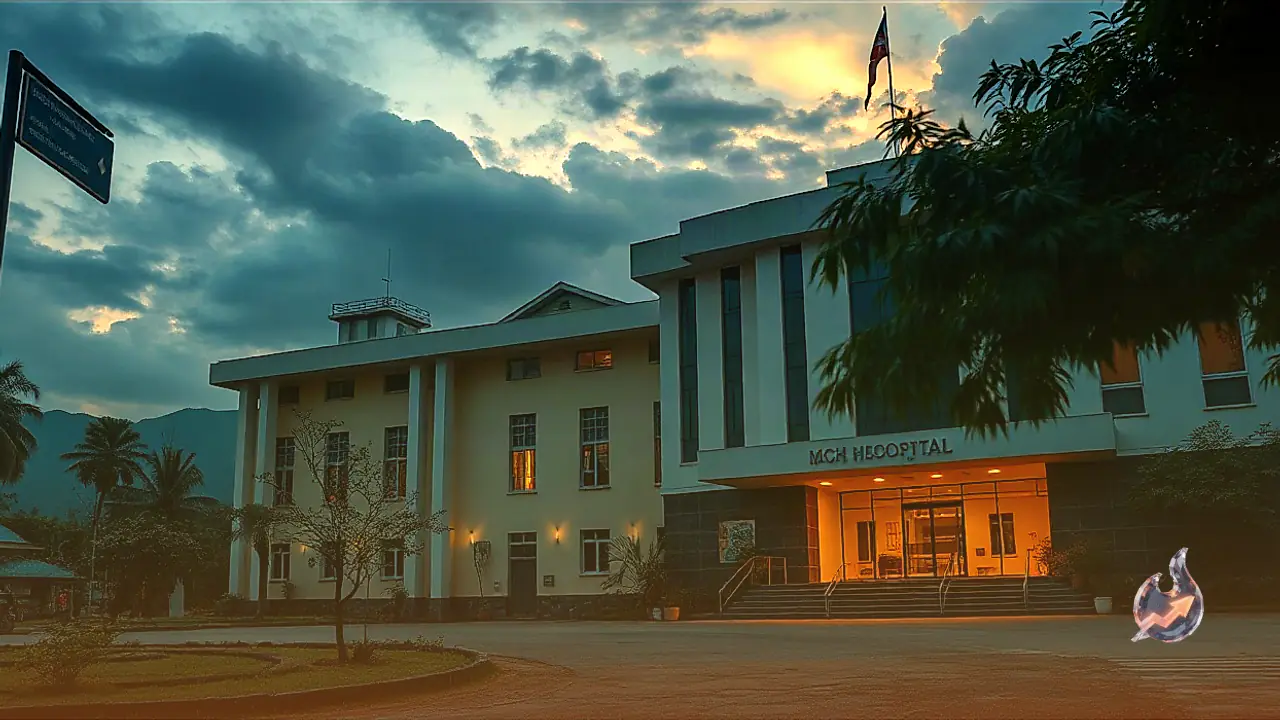
The review brought together key health administrators from across the region. Participants included the Directors of Health Services, the Medical Superintendents overseeing Tura Civil Hospital and Tura MCH Hospital, alongside members of the specialized Manpower Assessment Committee tasked with evaluating institutional requirements.
Year-Long Recruitment Efforts Yield Substandard Numbers
The health department has spent more than a full year attempting to resolve the academic staffing deficit. Administrative steps have included screening eligible in-service medical officers who expressed willingness to take up teaching assignments at the upcoming institution. Furthermore, the government released three separate rounds of public advertisements for recruitment.
Local consultative sessions were also organised with practicing doctors in Tura to assess viable pathways for staffing senior specialist vacancies. Despite deploying these diverse measures over twelve months, the total pool of confirmed faculty remains significantly below the mandatory benchmark established by the NMC for initiating an undergraduate medical curriculum.
Prioritising Civil Hospital Expansion Blocks
Given the persistent deficit in teaching staff, the review panel recommended shifting immediate focus toward commissioning physical healthcare units at the Tura Civil Hospital campus. Officials decided to expedite the completion and rollout of two hospital blocks currently under construction, which will house 150 beds and 80 beds respectively.
Authorities emphasized that commissioning these clinical wings will immediately enhance patient care across the wider Garo Hills region. Expanding clinical utility ensures public health resources deliver immediate community value, even if administrative hurdles delay the official start of classes at the medical college itself.
Strengthening Foundation for Clinical Training
The broader strategy relies on positioning Tura Civil Hospital as the primary teaching facility affiliated with the proposed medical college. Adding the two new blocks will expand bed capacity to levels compatible with statutory medical education standards while resolving regional hospital congestion.
Departmental leaders noted that upgrading the healthcare infrastructure addresses critical daily clinical demands in the short term, while simultaneously establishing the specialized patient volume and bed density required to support medical students over the longer horizon. Administrative efforts to mobilize the remaining faculty will proceed alongside the physical expansion works.