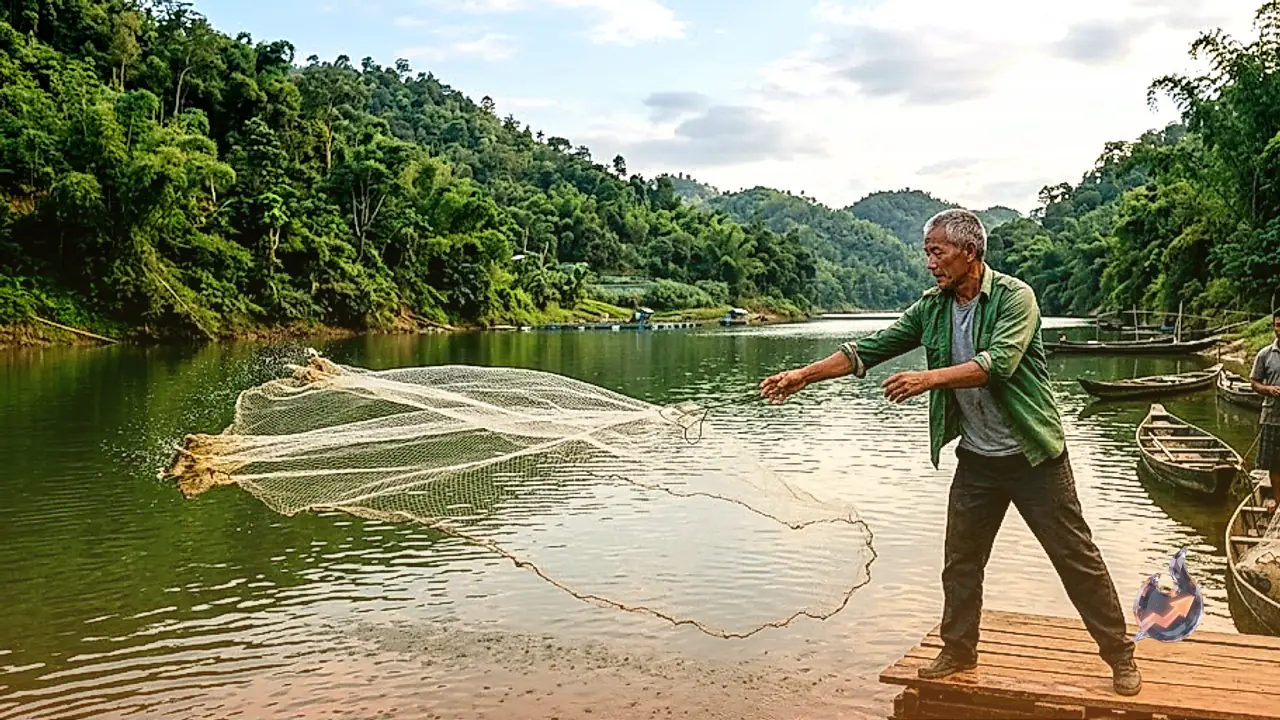
















Mizoram is preparing a major push to expand its aquaculture sector and strengthen rural livelihoods, setting a target to produce 20,000 metric tonnes of fish annually by 2030. Chief Minister Lalduhoma instructed the fisheries department to draft a dedicated initiative titled the Blue Mizoram Mission to systematically accelerate fish farming across the state.
High-Level Review Outlines Strategic Goals
The directive was issued during a comprehensive departmental review meeting chaired by Chief Minister Lalduhoma at the CM Conference Hall on Monday. The session saw participation from Fisheries Minister Lalthansanga along with senior officials representing the Fisheries, Finance, and DP&AR departments. The meeting evaluated ongoing departmental operations, forward-looking development roadmaps, and administrative hurdles, with the Chief Minister emphasizing constructive and open consultations to enhance execution on the ground.
Significant Growth in Output and Pond Productivity
Official records presented by the department highlight steady progress in the state's fisheries sector over recent years. Fish harvest in Mizoram rose from 4,304.69 metric tonnes in 2020-21 to 8,020 metric tonnes in 2025-26. This current volume is estimated to satisfy 58.28 per cent of the total domestic fish demand in the state.
Alongside aggregate volume, land productivity witnessed substantial improvement. Annual yield per hectare climbed from 0.78 metric tonnes in 2020-21 to 1.21 metric tonnes in 2025-26. Farmer participation also expanded consistently, with the registered count of fish farmers climbing from 16,486 individuals in 2020-21 to 22,661 in 2025-26. Departmental discussions underlined that boosting per-hectare productivity can yield major production gains without necessarily requiring the excavation of additional water ponds.
Tapping Into Vast Underutilized Water Resources
Mizoram hosts approximately 6,000 hectares of water bodies, including 16 major rivers, while large reservoirs account for another 8,000 hectares. Overall, the state possesses an estimated 24,000 hectares of potential area suitable for aquaculture. However, only 26.3 per cent of this identified potential is actively utilized at present. Consequently, the review meeting emphasized establishing precise and updated data regarding the exact scope of unutilized aquaculture assets statewide.
Hatcheries, Conservation, and Financial Backing
To support fingerling supply and preserve native ecosystems, the fisheries department currently operates 14 functional hatcheries. River conservation measures are also being actively executed across 95 designated locations through a formal partnership with the Young Mizo Association (YMA).
Financial assistance to fish-farming households is being channeled through state welfare initiatives. Under Phase-I of the Bana Kaih programme, 201 families received coverage under the Chief Minister's Special Package, with credit facilities extended to 13 families. Under Phase-II, 84 beneficiary families have been brought into the fold, with five families securing loan disbursements to develop their aquaculture ventures.