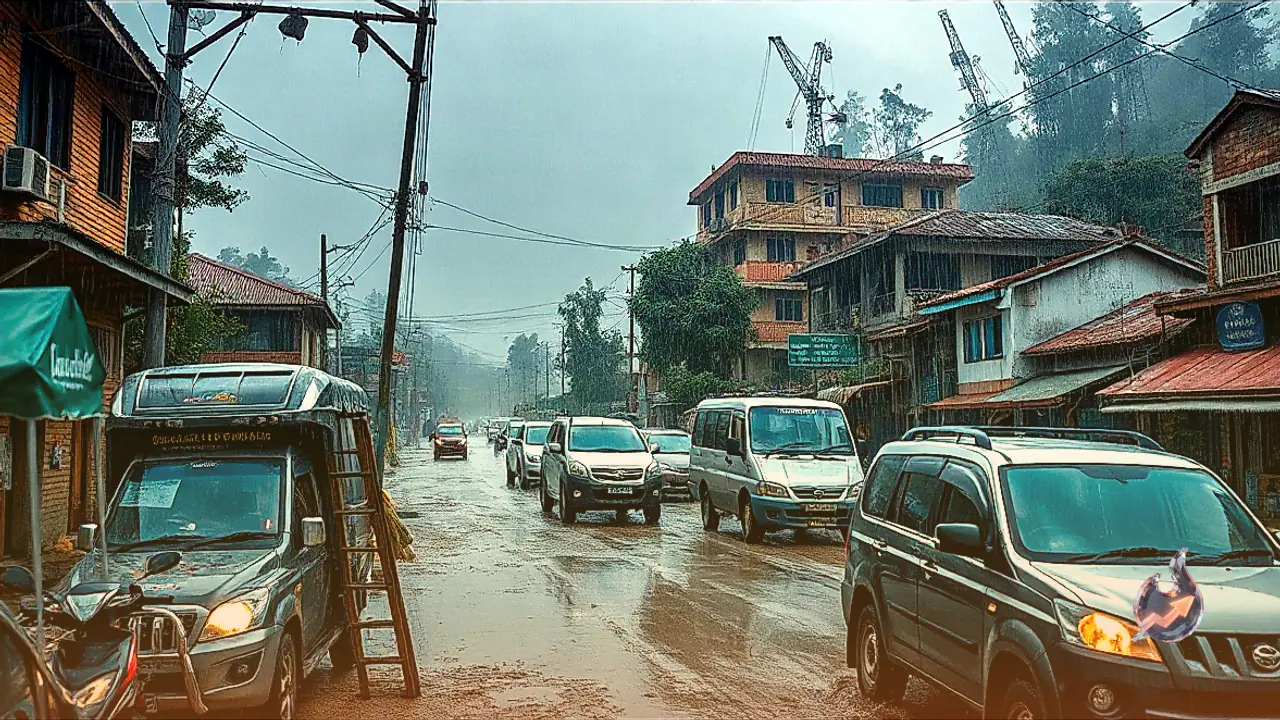




















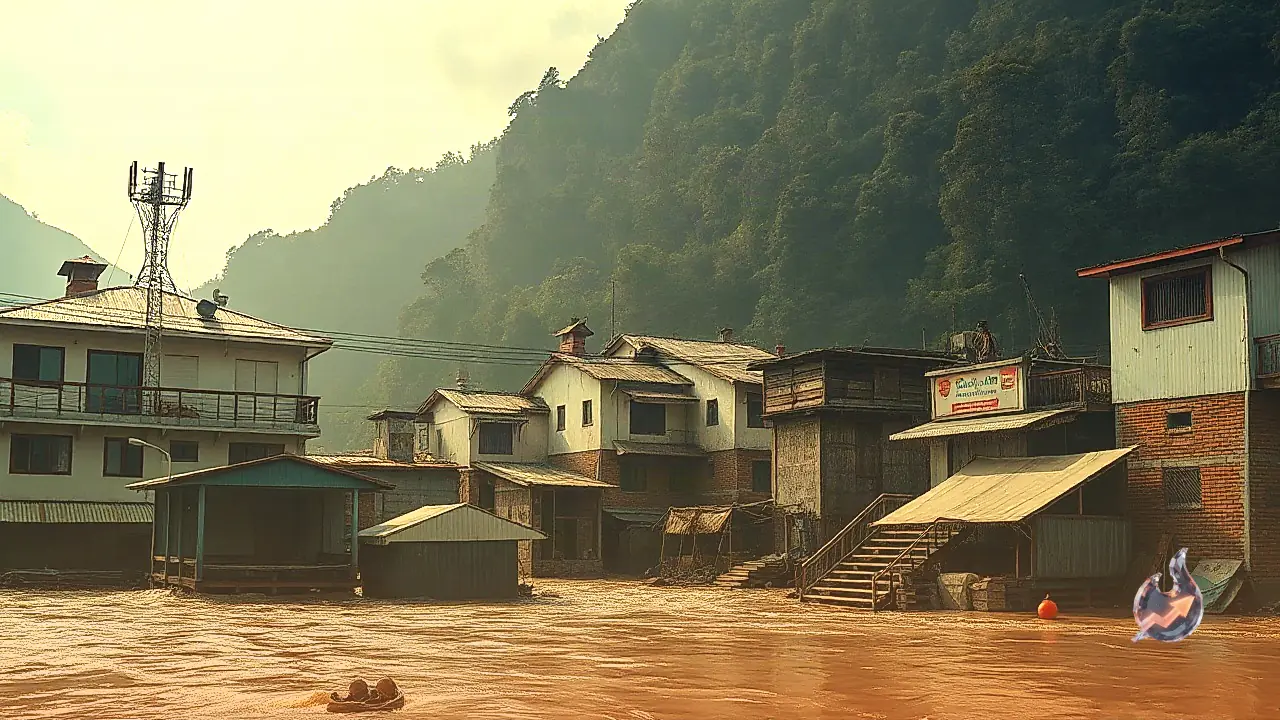

The worsening impact of climate change across the Himalayan geography poses an unprecedented threat to mountain ecology and downstream settlements. The catastrophic flash floods that struck Nepal on August 26 not only inflicted heavy destruction on the neighboring nation but also served as a stark warning for the entire Himalayan belt. This disaster raises urgent questions about whether existing disaster preparedness protocols are adequate against increasingly erratic extreme weather events. Roughly 18 months prior to the incident, in March 2025, India had formally cautioned the Nepal government regarding the escalating risks stemming from climate change in the region. That shared document explicitly highlighted concerns over rising Himalayan temperatures, glacier retreat, expanding glacial lakes, and sudden flash floods. The recent tragedy in Nepal has brought those warnings into sharp focus once again.
Global Climate Responsibility and Himalayan Vulnerability
Environmental experts warn that extreme weather events will become more frequent and severe across the globe, with the fragile Himalayan ecosystem being among the most vulnerable. Climate change stands out as the primary driving factor behind these escalating disasters. Scientific studies worldwide consistently confirm that no single village, district, state, or nation can be held solely responsible for global environmental degradation. Instead, climate change is a collective global crisis. It remains an established fact that developed industrial nations have historically contributed the most to environmental damage. Consequently, overcoming this crisis demands unified international action, as isolated measures by individual countries will no longer suffice.
On-Ground Assessment During the Nepal Tragedy
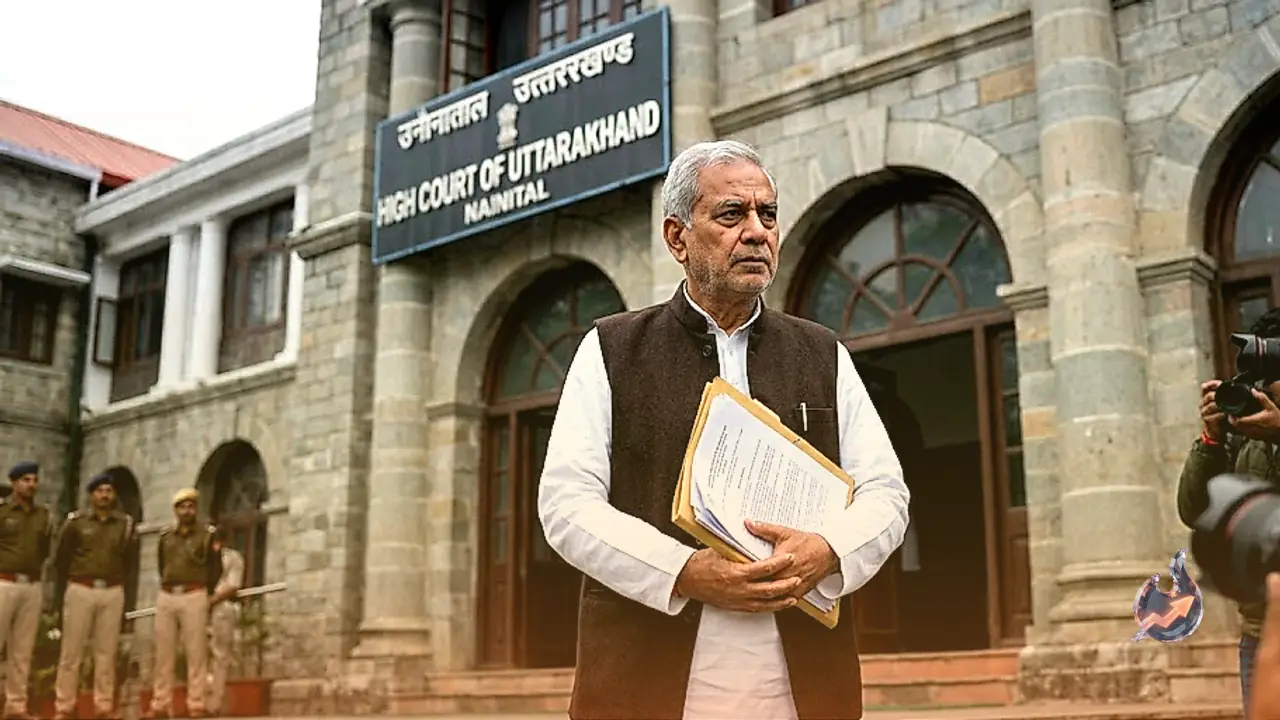
Devendra Kumar Sharma, President of the International Commission on Large Dams and Member of the National Security Advisory Board of the Government of India, shared detailed insights regarding the regional threat matrix. Significantly, Devendra Kumar Sharma was physically present in Nepal on August 26, the very day the devastating flood occurred. On the following day, he held extensive deliberations with hydroelectricity experts, engineers, and government officials in Nepal to evaluate the situation. He emphasized that while natural disasters cannot always be prevented entirely, the extent of destruction and loss of human life can be drastically minimized through robust advance planning, structural resilience, and rapid emergency communication.
India's Advisory Report Delivered 18 Months Prior
In March 2025, India shared a pivotal report titled 'Proposed Cooperation Between India and Nepal on Account of Impact of Climate Change on Nepal'. The document went beyond merely identifying potential hazards; it laid down a clear framework for establishing robust early warning systems, continuous monitoring, real-time data sharing, and enhanced cross-border cooperation. The report underscored that the effectiveness of disaster response hinges on how quickly hazard alerts reach vulnerable populations downstream. Rapid communication directly determines the evacuation lead time available to move residents out of harm's way before disaster strikes. The August 26 events in Nepal have strongly validated these recommendations.
Three Pillars of Protection and Public Alert Protocols
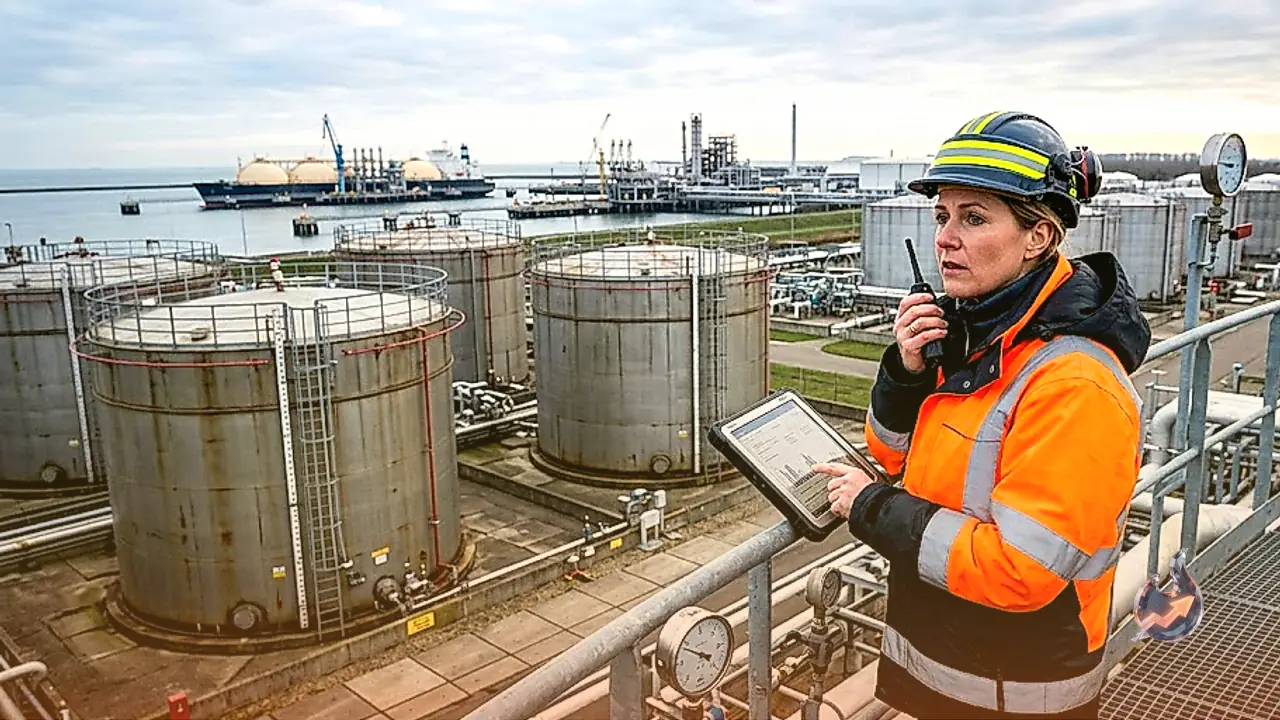
To build effective climate resilience, Devendra Kumar Sharma highlighted three critical action fronts. First, the installation of state-of-the-art early warning systems. Second, ensuring that all civil construction strictly aligns with local environmental and geological conditions. Third, implementing micro-land zoning to enforce a complete ban on construction in high-risk hazard zones. He noted that warning alerts must not remain confined to administrative offices or official desks. Alerts must instantaneously reach every individual, remote village, riverbank household, tourist location, and mobile phone user. Crucially, local communities must be educated in advance on exact evacuation routes and safe shelter locations upon receiving an alert.
Safety Review of 6,600 Large Dams and Design Updates
Addressing water storage infrastructure, Devendra Kumar Sharma highlighted that India operates approximately 6,600 large dams whose safety and structural design standards require urgent re-evaluation in light of changing climatic conditions. Dam engineering can no longer rely solely on historical hydrological data. Future dam designs must explicitly incorporate projections of extreme rainfall events and sudden cloudburst-induced flooding. Where necessary, existing older dams should undergo retrofitting and technical modernization to allow safe spillway discharge during extreme flood events. While dams in Himachal Pradesh and neighboring states have generally been constructed to high standards, comprehensive safety reviews for all structures remain imperative.
Cross-Border Monitoring and Upper Catchment Vigilance
The Nepal disaster exposed a major vulnerability in mountain hazard monitoring: when a trigger originates in high-altitude zones across national borders, downstream monitoring systems operating in isolation prove inadequate. The Himalayas represent a shared ecological zone. Environmental disruptions occurring in the high-altitude catchments of Nepal, India, or Tibet-China directly impact rivers and communities further downstream. Therefore, establishing seamless cross-border satellite surveillance, real-time data exchanges, and upper-catchment monitoring is essential. Because Himalayan rivers traverse multiple international boundaries, flood and glacier risk management must be executed on an integrated regional river-basin scale.
Vulnerability in Himachal Pradesh and Glacial Lake Studies
Reflecting on the implications for Himachal Pradesh, experts stress the urgent need for detailed mapping and continuous study of high-altitude glacial lakes across the state. Should a glacial lake outburst flood or extreme localized rainfall occur in the upper reaches of Himachal Pradesh, downstream settlements and infrastructure would face catastrophic damage. Consequently, state authorities and central scientific agencies must collaborate to execute regular satellite mapping and field assessments of all vulnerable glacial lakes, ensuring timely intervention to safeguard lives and property across Himachal Pradesh.