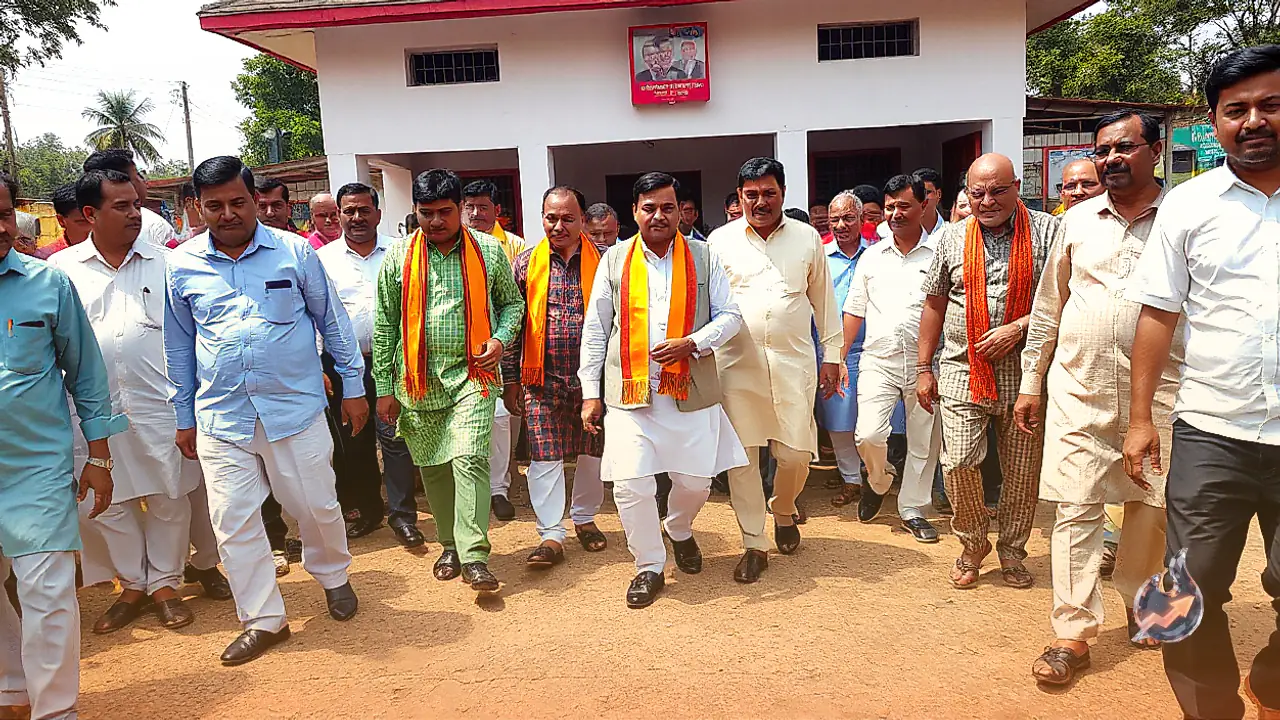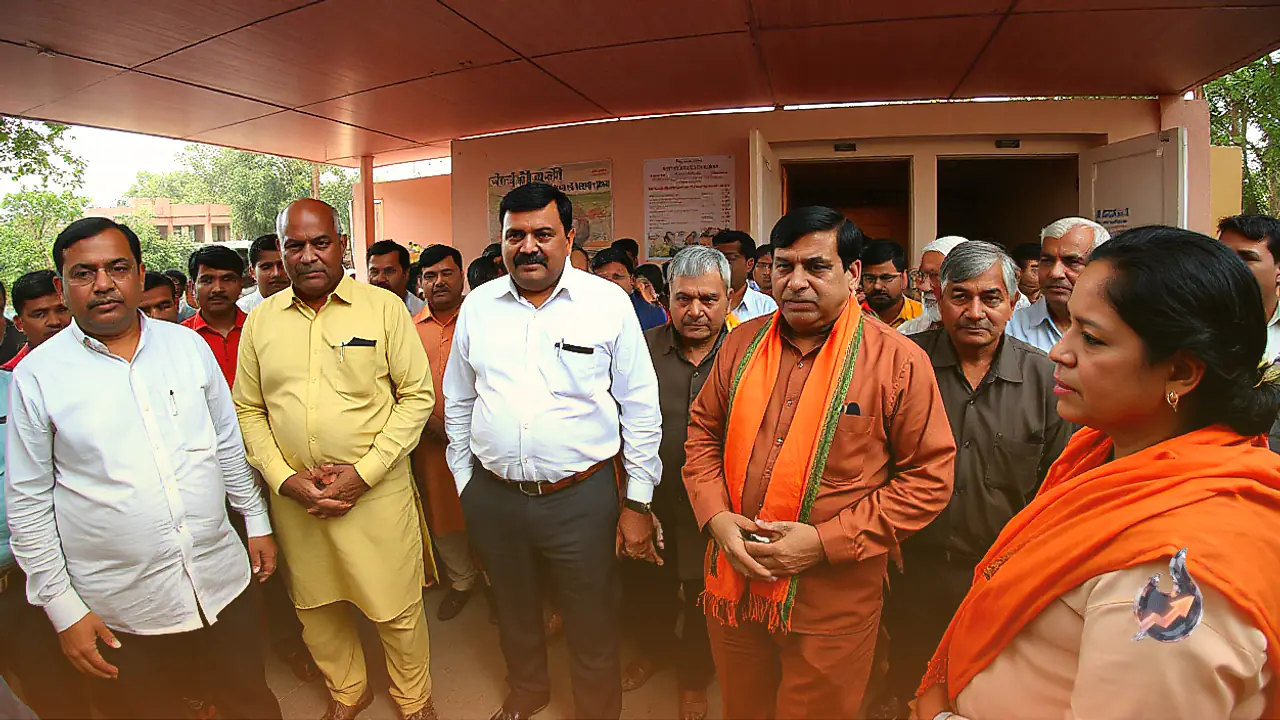



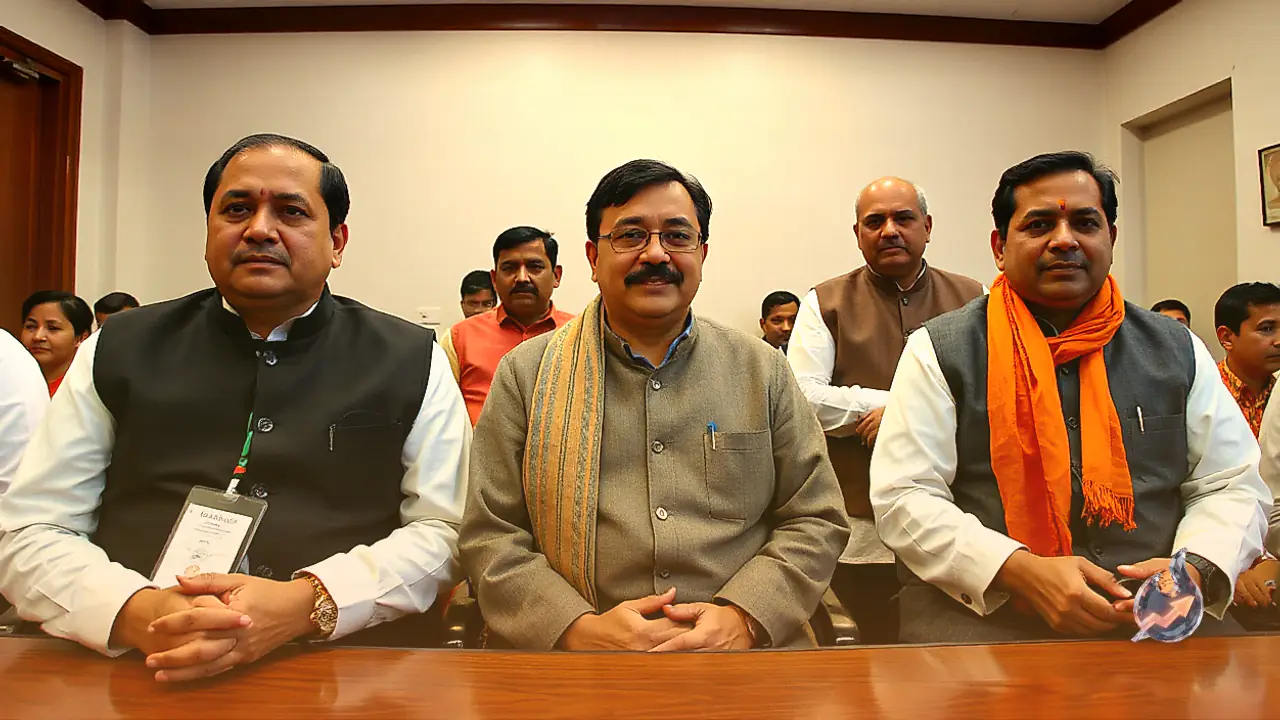




















Meghalaya Chief Minister Conrad K Sangma has directed the state Health Department to pinpoint foundational medical bottlenecks and execute an organized, highly targeted strategy to resolve them. Speaking at the 'Rethinking Anemia: Towards Comprehensive Anaemia Care' conference held in Shillong, the Chief Minister remarked that managing healthcare outcomes requires analyzing foundational systemic drivers rather than merely reacting to symptoms. The gathering served as a direct follow-up to the inaugural Meghalaya Health Summit conducted last year, which brought together public authorities, private healthcare facilities, non-profit institutions, and civic participants into a cooperative framework.
Addressing the delegates, the Chief Minister explained that the Health Department should single out one critical issue, subject, or health risk annually, or ideally every six months. The administrative machinery should then maintain an unbroken six-month operational drive on that specific concern until complete public awareness and community engagement are achieved. Systematic and sustained attention to one concrete subject at a time, he observed, is crucial to changing community habits and driving measurable public health improvements.
Dietary Influences and the Spread of Preventable Chronic Ailments
Turning attention to lifestyle-related conditions, the Chief Minister drew upon clinical findings presented by Dr Benjamin of Tura Christian Hospital regarding the increasing prevalence of renal complications. He pointed out that unbalanced dietary regimens, excessive consumption of refined carbohydrates and sugar, and sedentary routines are directly accelerating preventable ailments like kidney failure across various demographics.
Connecting this trend to early childhood care, he referenced the administration's 1,000-day initiative and highlighted an everyday mistake observed among households. Parents frequently feed packaged chips and chocolates to toddlers between nine months and two years of age simply to pacify or delight them, completely unaware of the nutritional harm inflicted on their developmental physiology. The Chief Minister stressed that these everyday household habits demand consistent public education, requiring health workers to actively inform families at the village level. Sustainable progress against non-communicable illnesses requires all stakeholders to coordinate their resources toward clear, shared targets.
Moving Beyond Budget Allocations to Strategic Partnerships
Reflecting on administrative governance over the past eight years, the Chief Minister noted that building alliances with like-minded external organizations has been the administration's most consequential structural advance. Enhancing medical infrastructure and outcomes is not strictly a function of monetary spending; it demands bringing together innovative ideas, operational expertise, and dedicated leadership. While Meghalaya currently channels 9% of its total state budget into public health, the critical imperative remains ensuring that these resources are utilized prudently and deployed toward the most appropriate interventions without operational delays.
To demonstrate the utility of these collaborative relationships, he highlighted the state's cooperation with multilateral organizations, including the International Fund for Agricultural Development (IFAD). During a seven-day official tour of India, the agency's entire Executive Board spent three complete days exploring Meghalaya, traveling extensively through interior and isolated villages. He called upon conference attendees to translate high-level discussions into tangible ground-level actions that alter the day-to-day realities of local populations.
The Chief Minister observed that localized, micro-level actions, such as educating a single mother in a remote hamlet or advising adolescent schoolgirls on reproductive health and nutrition, produce compounding positive effects. Deep, uninterrupted grassroots interaction represents the precise standard of partnership the administration seeks to expand across the state.
Learning from Past Deficits and Restructuring the MMR Framework
Addressing historical deficits in the state's welfare metrics, the Chief Minister candidly recognized that Meghalaya previously ranked among the lowest across India on several vital measures, specifically routine immunization coverage, maternal mortality ratio (MMR), and childhood stunting. Rather than interpreting these substandard baselines as systemic failure, the administration treated them as operational challenges demanding decisive resolution. Transformative change, he remarked, must be approached as a moral obligation and purposeful governance priority.
Revisiting the inception of the Maternal Mortality Reduction initiative in 2019, he recalled that Ramkumar S, who was serving as the Ampati Deputy Commissioner at the time, was tasked with formulating protocols to prevent maternal deaths. The campaign initially prioritized encouraging institutional deliveries and holding public sensitization drives, but the strategy produced only modest improvements.
Subsequent assessments revealed that the primary constraint was not an unwillingness among expectant mothers to seek medical facilities, but physical barriers to healthcare access, given that several villages were separated from medical centers by two to three hours of travel time. He emphasized that policymakers must identify the deeper root causes behind public health indicators rather than adopting generic remedies without rigorous diagnostic analysis. Systematically deconstructing a operational problem and identifying its underlying drivers constitutes roughly 80% of the entire effort required to solve it.
Tackling Anemia and Tracking Improvements Across Key Metrics
The Chief Minister underscored the severe consequences of chronic anemia, noting its role as a leading contributor to maternal fatalities, low birth weight, childhood stunting, and neurological delays in early development. To address this condition, the state's refreshed strategy centers on an all-inclusive clinical paradigm encompassing systematic screening, targeted therapeutic treatment, dietary enrichment, and consistent clinical follow-ups, with dedicated resources aimed at adolescent girls and pregnant women.
These structured public health programs have generated measurable progress across the state's healthcare records. Official figures indicate that maternal fatalities dropped from 228 during the 2021-22 period down to 106 in 2025-26. Concurrently, institutional births rose from 58.1% recorded under NFHS-5 to 65.6% under NFHS-6. The incidence of childhood stunting diminished from 46.5% to 36.8%, and the total fertility rate (TFR) across Meghalaya moderated from 2.9 down to 2.2.