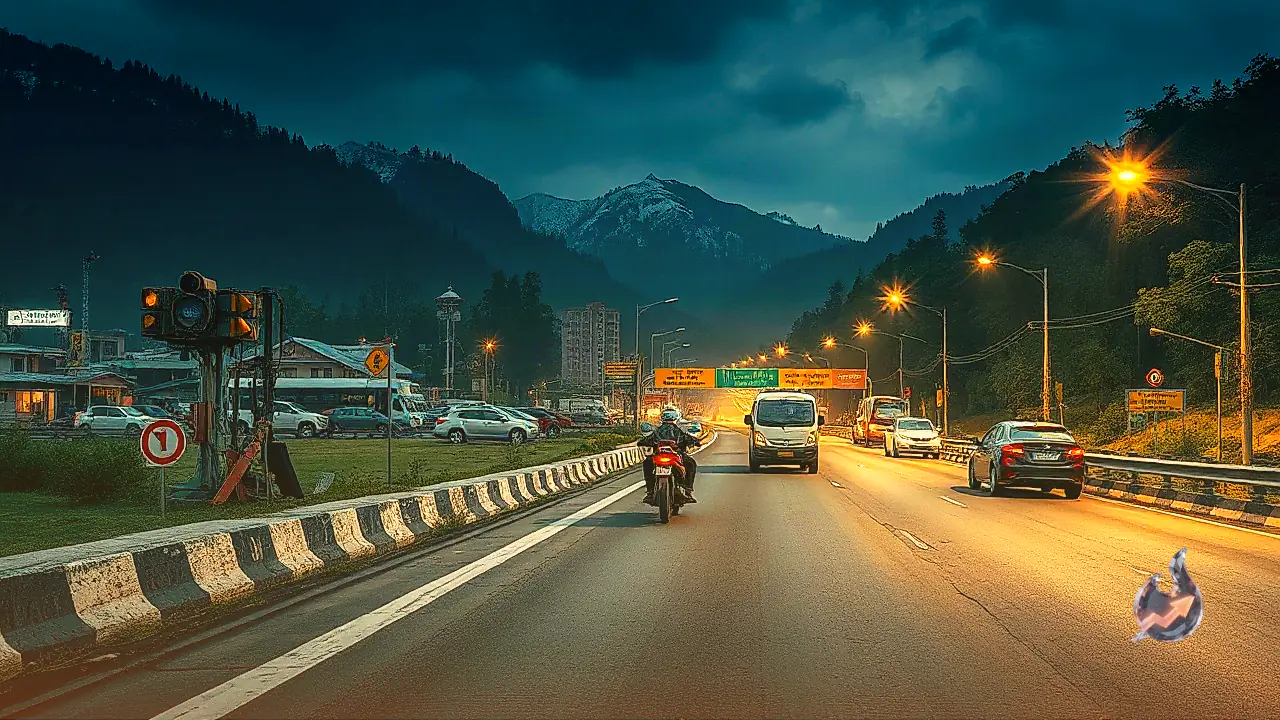




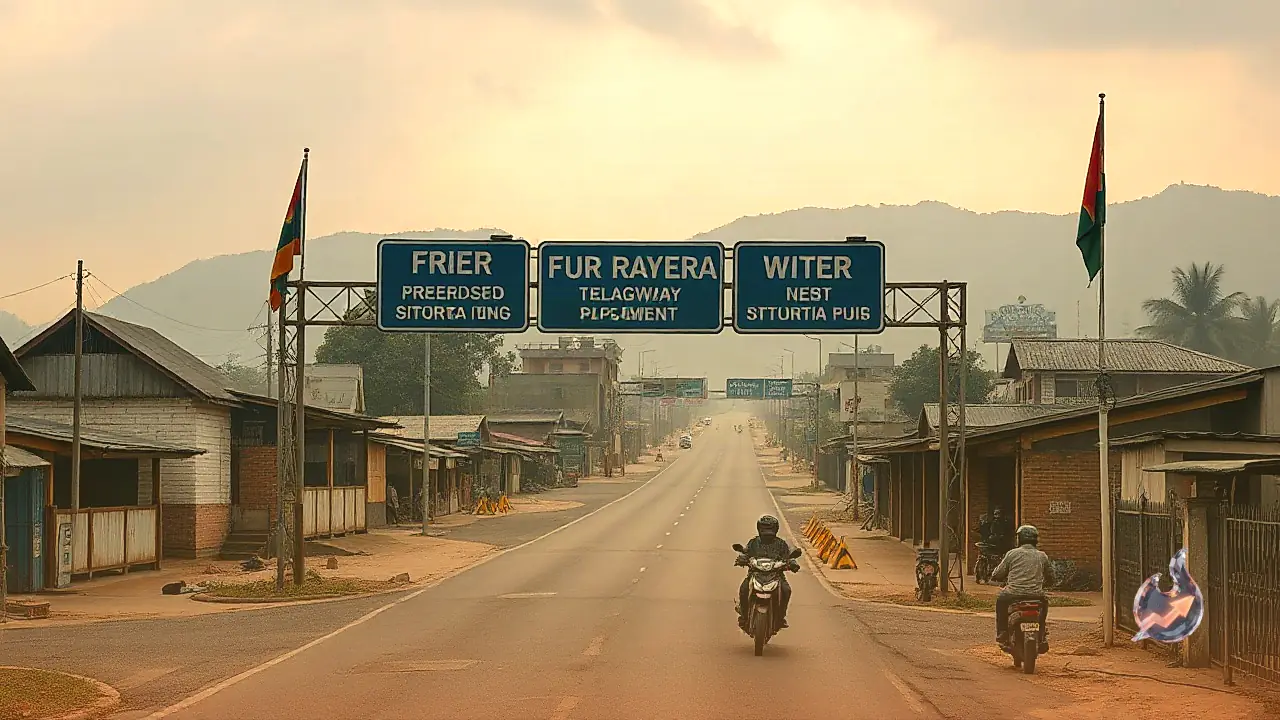
















Travelers using the Kiratpur-Manali four-lane highway in Himachal Pradesh are set to benefit from an upcoming revision in speed regulations. The maximum permitted speed limit along this vital corridor will soon be elevated from sixty kilometers per hour to eighty kilometers per hour.
High-Level Discussions in New Delhi
To pave the way for this modification, Deputy Chief Minister and Transport Minister Mukesh Agnihotri traveled to New Delhi to meet with Union Minister for Road Transport and Highways Nitin Gadkari. During this strategic interaction, he presented several pressing transportation matters concerning Himachal Pradesh. The discussions successfully yielded a mutual agreement to raise the speed cap on the Kiratpur-Bilaspur-Mandi route from the previous sixty limit up to eighty kilometers per hour. It is worth noting that Chandrashekhar, a member of the legislative assembly representing Dharmpur in Mandi district, had earlier raised this exact concern within the state assembly and strongly advocated for an upward revision of the speed restrictions.
Surveillance Equipment Installed Along the Route
Throughout the entire stretch spanning from Kiratpur to Nerchowk and further toward Manali, authorities have positioned numerous speedometers along with three to four automated camera installations designed to capture traffic violations and issue digital challans directly.
Mountainous Terrain and Initial Restrictions
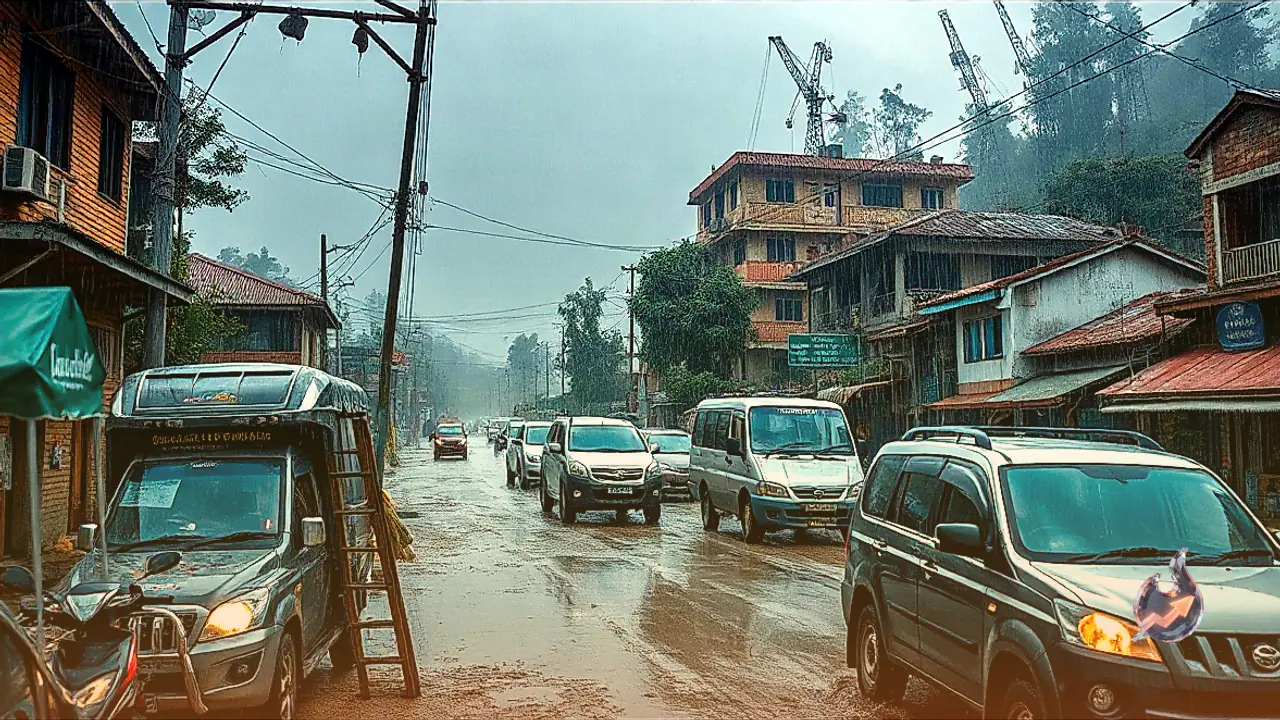
The engineering design of the Kiratpur-Manali highway differs significantly from standard plain terrain four-lane roads. A substantial portion of this infrastructure project traverses rugged mountainous terrain marked by sharp curves, steep descents, tunnels, viaducts, bridges, and uneven elevations. Official documents released by the road transport ministry explicitly classify the project area as a mountainous zone highly susceptible to heavy rainfall and landslides. Because the corridor incorporates numerous tunnels, major bridges, and rock cuttings, authorities initially instituted a relatively conservative speed limit across the entire route to ensure better vehicle control and minimize accident risks. When the Kiratpur-Nerchowk section was first opened for public movement, the National Highways Authority of India designated the top speed at sixty kilometers per hour.
Advanced Traffic Management and Online Enforcement
To curb excessive speeding along the highway, an online enforcement framework utilizing intelligent traffic management systems and automated cameras was implemented. Law enforcement officials noted at the time that motorists tended to drive at dangerously high velocities on the four-lane stretch, which directly contributed to frequent road mishaps. Consequently, monitoring equipment was deployed to enforce strict adherence to the sixty-kilometer restriction.
Expansion of National Highways and Commercial Permits
At the specific request of Mukesh Agnihotri, necessary instructions were issued to integrate the Amritsar-Hoshiarpur national highway network starting from Pandoga on the Punjab-Himachal border up to Jhalera in Una. Furthermore, the Deputy Minister brought up a long-pending demand concerning commercial contract carriage vehicle operators in the region. He urged that the permissible age limit for vehicles operating as tourist transport be extended from twelve years to fifteen years. He emphasized that since the age restrictions for vehicles under the All India Tourist Permit scheme had already been relaxed, contract carriage vehicles should receive comparable relief without compromising highway safety standards.
In a major decision providing substantial relief to local taxi operators and the tourism sector, the validity period for taxis operating under tourist permits within the state boundaries was approved for an extension from twelve to fifteen years. Union Minister Nitin Gadkari issued clear directives to release the necessary official notifications regarding this matter.
Agnihotri also addressed the inadequate infrastructure of Automated Testing Stations within the mountainous topography of Himachal Pradesh, pointing out that only two such stations are currently operational across the entire state. He requested that manual fitness testing procedures be permitted to continue in parallel until adequate automated facilities are fully established, thereby preventing severe inconvenience for transport operators. Minister Gadkari assured that all proposals submitted by the state administration would be considered sympathetically and requested complete status reports concerning all ongoing testing station construction projects across the region.