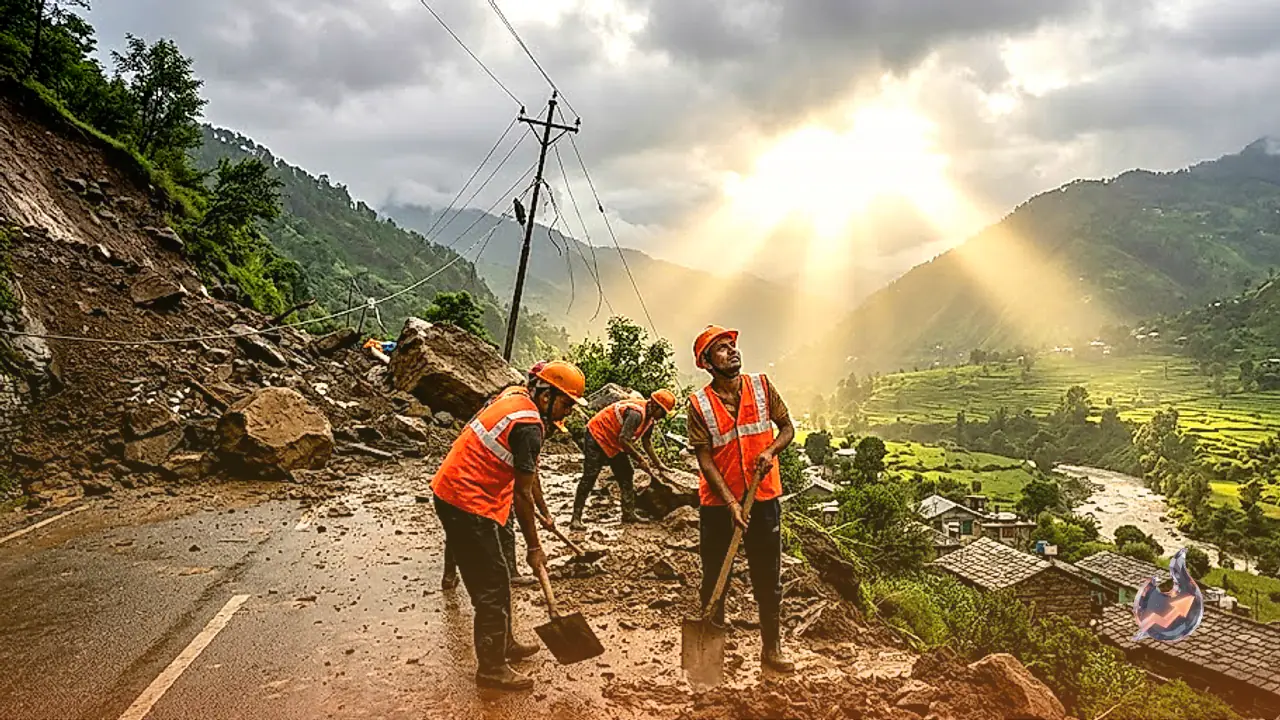





















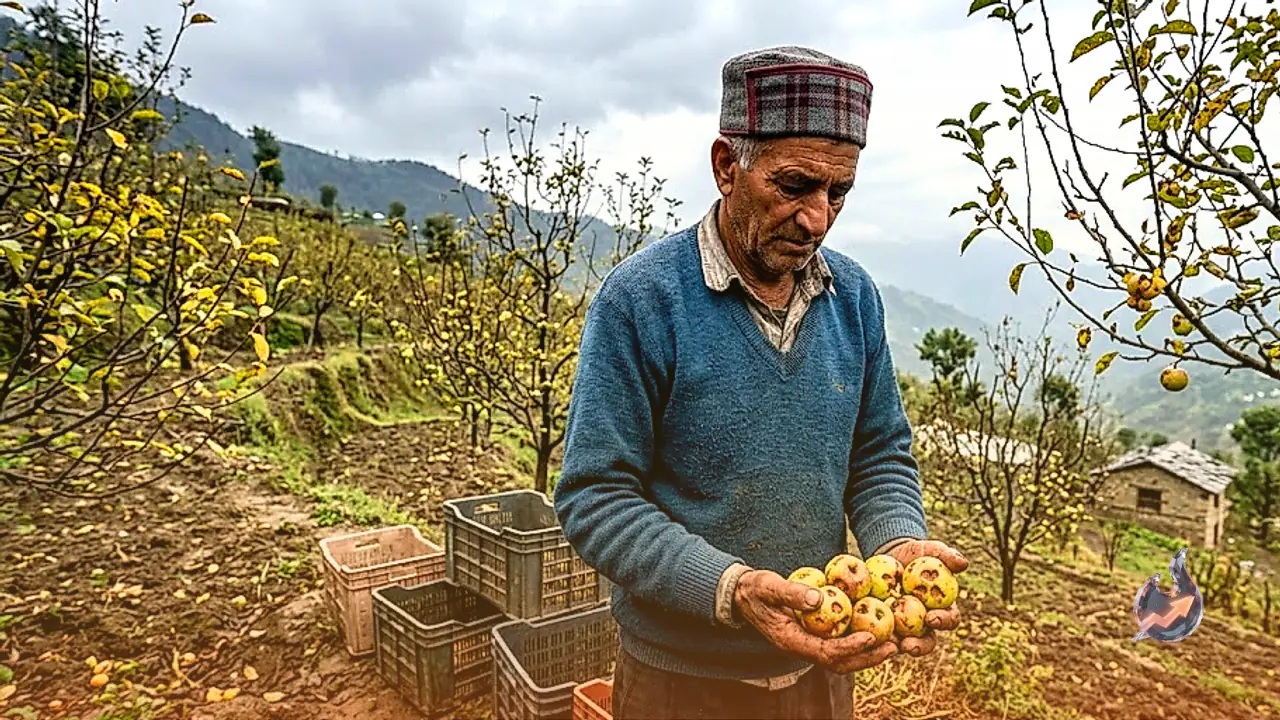

Apple cultivation serves as the backbone of Himachal Pradesh's rural economy, often termed as 'red gold', but severe climate irregularities have thrown the entire sector into a crisis. The state's apple industry, valued between Rs 5,500 crore and Rs 6,000 crore, sustains the livelihoods of lakhs of orchardist families alongside commission agents, local laborers, packaging units, and transport networks. However, this season's erratic weather sequence—ranging from a dry winter to unseasonal rain, fluctuating temperatures, severe hailstorms, and localized cloudbursts—has heavily damaged apple orchards. While the state achieved a record production of over 3 crore boxes last year, official estimates indicate that total output this season may shrink to around 1.75 crore boxes.
Weather Disruptions From Winter Chilling to Fruit Maturity
Horticultural specialists and local growers report that the current crisis began during the winter months, when apple trees failed to receive the minimum required chilling hours due to warmer conditions. This shortfall weakened the physiological development of the crop. Subsequently, when the flowering stage commenced, unseasonal rainfall and sharp temperature fluctuations damaged the delicate blossoms. As the remaining flowers converted into fruit, sudden hailstorms and heavy downpours destroyed the developing crop. The persistent wet and humid atmosphere accelerated fungal pathogens, causing premature leaf fall across numerous orchards. Diseases such as Alternaria and Marsseilina expanded rapidly, weakening tree health and reducing overall yield capacity across multiple districts.
Official Mandi Arrival Data Highlights Severe Output Drop
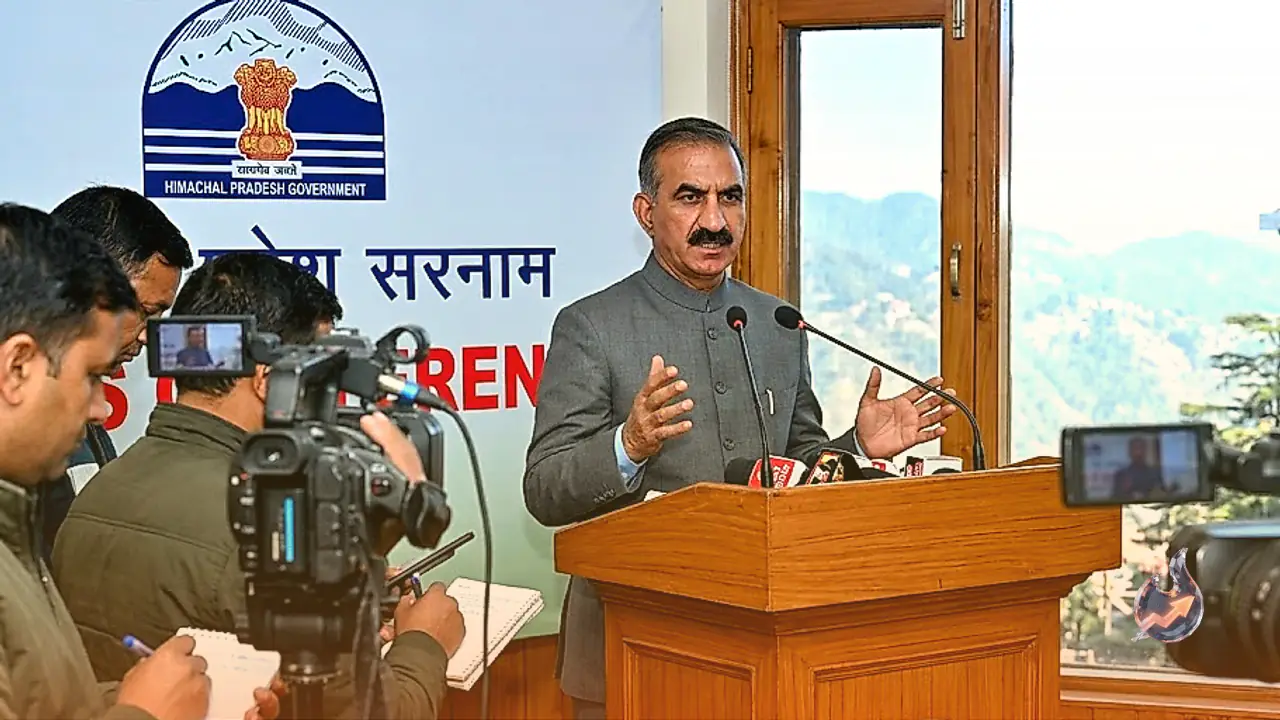
Data shared by Horticulture Minister Jagat Singh Negi underlines the scale of the production decline across state markets. By mid-August last year, fruit mandis across Himachal Pradesh had already received over 82 lakh apple boxes. In contrast, by August 19 this year, total arrivals reached only around 36 lakh boxes. At the beginning of the current season, the horticulture department had projected a conservative yield of around 2.25 crore boxes, but current field assessments show that even this reduced target will remain unachieved. In bumper harvest years, Himachal Pradesh routinely produces upwards of 3 crore boxes. With current estimates dropping to less than half of peak production, severe concerns have emerged across the entire supply chain, including orchardists, commission agents, laborers, and transporters.
Higher Market Prices Fail to Offset Soaring Input Costs
The substantial shortfall in overall supply has driven up prices for premium quality fruit in wholesale markets. In the main fruit mandis of Shimla, top-tier Royal apple boxes of 20 to 22 kg are fetching between Rs 3,000 and Rs 3,500 per box. Medium-grade produce is selling between Rs 2,200 and Rs 2,500 per box, while lower-grade apples command prices between Rs 1,500 and Rs 2,000 per box, with general market rates ranging from Rs 1,800 to Rs 3,200 across various locations. Nevertheless, farmers emphasize that these higher rates fail to translate into net profit. The cumulative costs of fertilizers, chemical pesticides, fungicides, manual labor, packaging materials, and transport freight have escalated significantly, consuming any potential margin gains.
Orchardists Detail Steep Crop Reduction on the Ground
Individual accounts from growers across Shimla district highlight the extent of the losses. Narendra Thakur, an orchardist from Shimla, stated that his orchard produced approximately 1,000 boxes last year, whereas this season yielded merely 200 boxes, representing an 80 percent reduction in output. He noted that despite favorable market rates, inflated expenditure on spraying chemicals, labor wages, and transportation leaves no net returns. Similarly, another grower, Hem Chand Verma, reported that his harvest has been reduced to roughly 50 percent of the previous year's volume.
Elderly Grower Struggles Against Rising Production Expenses
The situation of Anarkali, a 70-year-old female orchardist from the Fagu area, reflects the widespread financial pressure facing smallholder farmers. Although she secured a price of around Rs 2,800 per box for her produce, her total output dropped by half compared to last year. She expressed concern over the difficulty of recovering initial investments due to rising input expenses, urging the state government to increase subsidies on fertilizers, protective sprays, and horticultural supplies to support struggling farming families.
Market Conditions and Early Harvesting Pressures
Commission agents at the Bhattakufer fruit mandi in Shimla observe that the ongoing trade season has been effectively cut in half due to low arrival volumes. While high-grade Royal apples continue to attract firm buyer interest, lower and medium grades face subdued demand. Due to physical damage caused by hailstorms and rain, growers are frequently forced to market spotted or cosmetically damaged apples. Furthermore, concerns over worsening weather have prompted some farmers to harvest prematurely, bringing green, unripened fruit to mandis to avoid total loss.
Climate Change Poses Long-Term Risk to Horticulture Economy
Harish Chauhan, State President of the Fruit, Flower and Vegetable Growers Association, pointed out that the current crisis extends beyond isolated weather events. Shifted climate patterns across the Western Himalayas have disrupted traditional seasonal cycles. Shorter winters with insufficient snowfall, unexpected temperature spikes in spring, rainfall during bloom, and hail prior to harvest have destabilized apple yields. Reduced chilling hours weaken tree immunity, leaving orchards vulnerable to persistent pest attacks and fungal infections like Alternaria and Marsseilina. Consequently, growers must increase spraying frequency, raising production expenses while total yields continue to decline. Farmers now face a triple burden: lower harvest volumes, higher operational costs, and escalating climate risk.