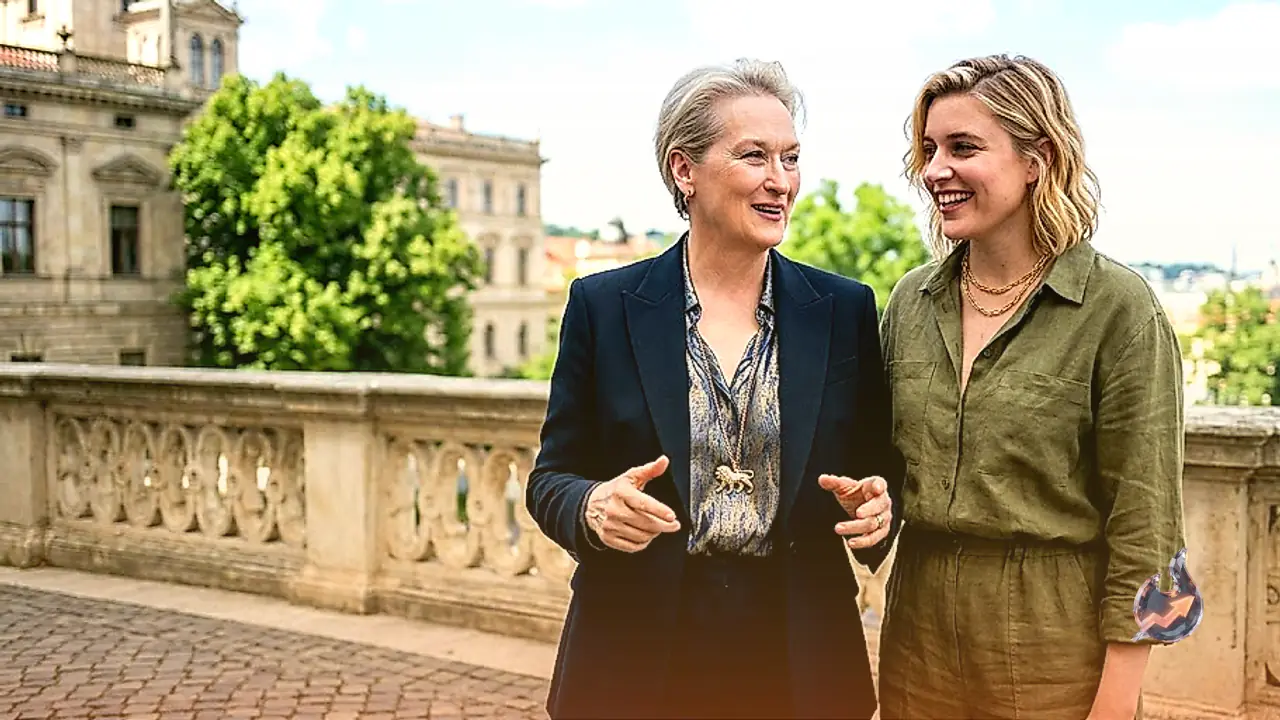




















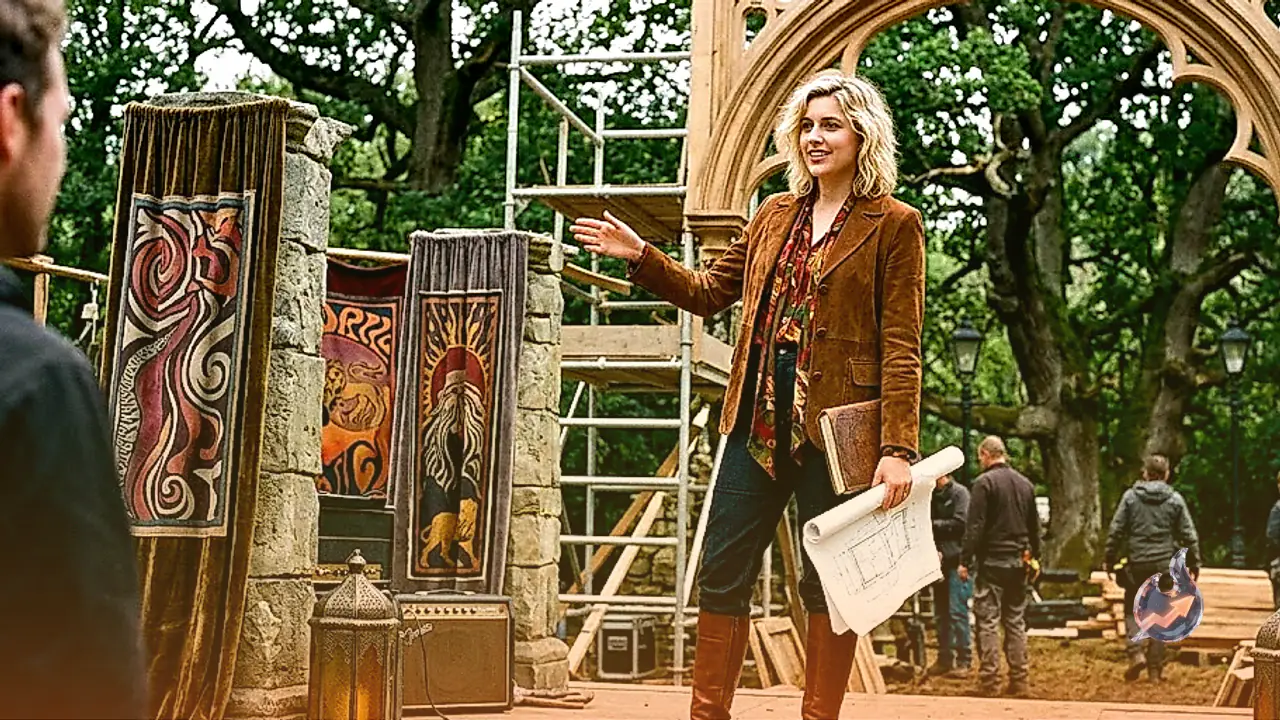

Acclaimed filmmaker Greta Gerwig is charting a fresh and daring creative course for her next major cinematic venture. Following her acclaimed coming-of-age feature Lady Bird, her passionate adaptation of Little Women, and the global box office sensation Barbie, the director is stepping into the rich literary fantasy lore of C. S. Lewis. Her forthcoming project, Narnia: The Magician’s Nephew, bypasses the widely adapted The Lion, The Witch And The Wardrobe to explore the universe-hopping origins of Narnia itself. Conceived during the same mid-lockdown creative period that sparked Barbie, Gerwig envisioned an expansive world that carries the energy of a sweeping rock opera.
The Musical Bedrock: Bowie, Classic Rock, and World Creation
While the director clarifies that the film is not a literal musical, the inventive spirit of British rock music from the 1960s and 1970s serves as the core foundation for her cinematic vision. The experimental textures of progressive rock and the vibrant energy of the glam era heavily informed her aesthetic choices. Reflecting on her deep connection to iconic British musicians, Gerwig cited the profound emotional impact of artists like David Bowie, Paul McCartney, David Gilmour, Pete Townshend, Jimmy Page, and Robert Plant, whose music provided solace and inspiration during formative years.
The thematic link between rock music and Narnia lies in the foundational mythology of the story itself. In the original lore, Aslan literally sings the magical realm into existence. Gerwig noted that Narnia is a realm built entirely out of melody and sound, drawing a direct parallel to the transformative, transportive experience of classic rock and roll.
Shifting Time Periods: Post-War Britain and the Power of Imagination
A central narrative update in Gerwig’s adaptation is moving the temporal setting. Instead of the early 1900s environment described in the original novel, the narrative unfolds against the grey and muted backdrop of post-war 1950s Britain. This change gives young protagonists Digory, portrayed by David McKenna, and Polly, played by Beatrice Campbell, a grounded historical resonance. The generation raised in the ruins of mid-century Britain would eventually evolve into the fearless artistic innovators of the 1970s.
Gerwig highlighted how youth surrounded by rubble, grief, and deprivation managed to build boundless castles of imagination from desolate bomb sites. She framed this journey as a metaphor for creative metamorphosis, suggesting that transitioning from an ordinary identity like David Jones into an extraordinary figure like David Bowie required witnessing something miraculous, much like discovering Narnia.
Ensemble Cast and Official Release Dates
This high-profile fantasy adaptation features an illustrious ensemble cast. Along with young leads McKenna and Campbell, the production features Daniel Craig, Emma Mackey, and Meryl Streep taking on pivotal roles in the sprawling story.
Audiences will not have to guess about the rollout timeline. Narnia: The Magician’s Nephew is scheduled to make its worldwide theatrical debut on February 12, 2027. Following its cinema run, the fantasy feature will premiere globally on Netflix starting April 2, 2027.