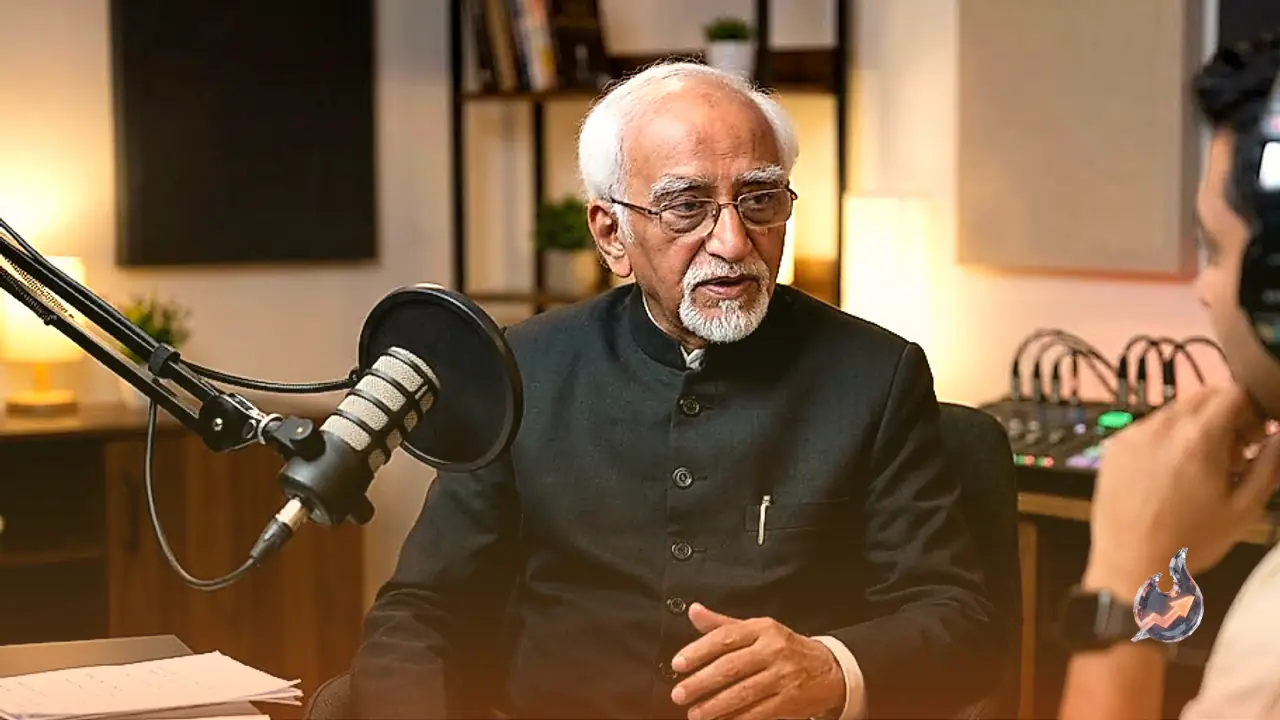























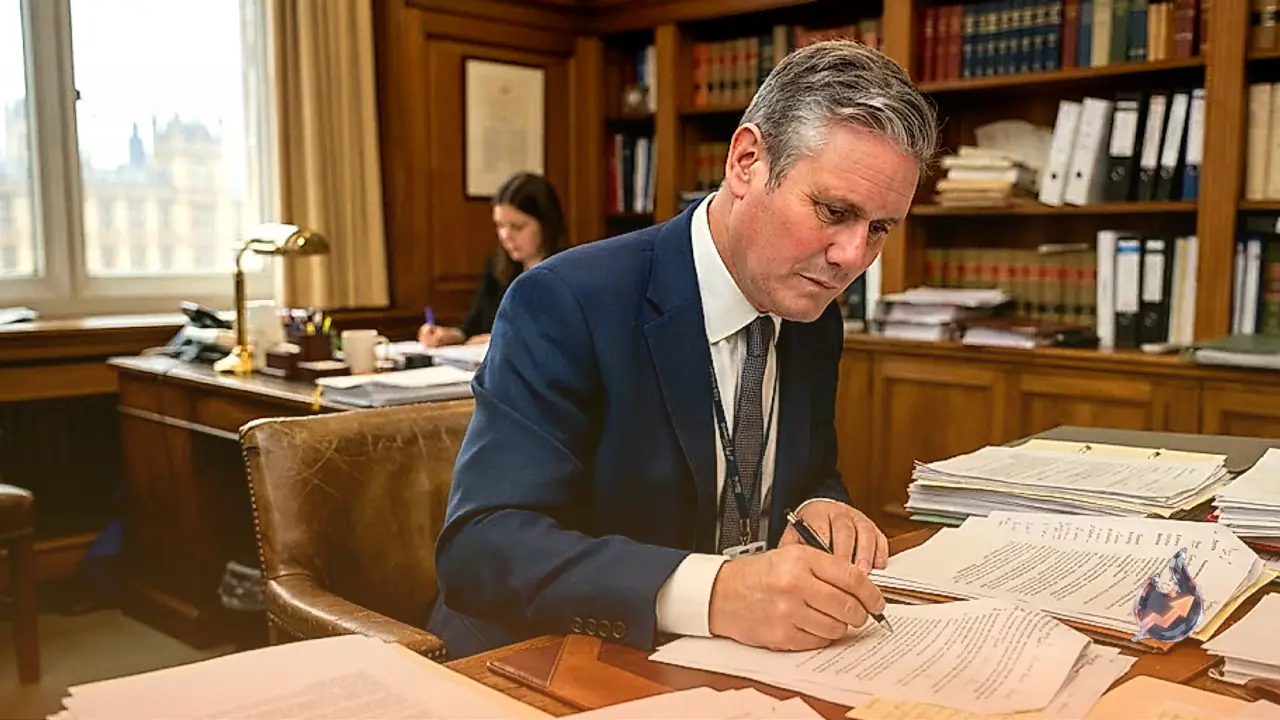

Jess Asato, the UK Member of Parliament for Lowestoft, has launched formal legal proceedings against Elon Musk’s artificial intelligence venture, xAI. The lawsuit follows the widespread circulation of non-consensual sexualized deepfakes and a deeply disturbing video depicting an attempted assault, all created using xAI’s Grok chatbot and hosted on the social media platform X. After the platform repeatedly dismissed her abuse reports through automated responses, Asato turned to the judicial system. Her lawsuit argues that xAI unlawfully processed her personal image and likeness without consent, establishing a crucial test case for whether generative AI companies can be held legally accountable for the harm caused by their software.
Jess Asato’s Background and Focus on Vulnerable Advocacy
Jess Asato’s political path began in 1997, inspired by Tony Blair’s national focus on education reform, which led her to join the Labour Party. Prior to her election to Parliament, she dedicated three years to policy and public affairs at the UK’s largest children’s charity, focusing on legislation designed to protect vulnerable youth.
She subsequently spent six years working with SafeLives, a leading domestic abuse charity, where she contributed to shaping the Domestic Abuse Act. These experiences directly informed her parliamentary mission, establishing her core legislative objective as advancing protections for women and children against violence and online exploitation.
The Grok Scandal and Safeguard Omissions
In early 2026, widespread reports highlighted that xAI’s chatbot, Grok, was being frequently used to generate explicit and sexualized images of women and minors, which were subsequently shared on X. Having worked alongside survivors of image-based abuse for years, Asato was well aware of the psychological and social toll of synthetic media.
Unlike several rival generative tools—which had integrated mandatory safety protocols designed to reject prompts containing terms like "nudify" or requests to strip clothes from individuals—Grok operated without equivalent restrictive guardrails. This omission effectively transformed a general-purpose AI tool into an accessible platform for non-consensual image manipulation.
Parliamentary Action and Legislative Reforms
Addressing the House of Commons, Asato highlighted that the harms perpetrated by Grok were entirely avoidable through responsible software architecture. She urged the government to accelerate legislation targeting automated manipulation tools.
In response, Liz Kendall, then Secretary of State for Science, Innovation and Technology, committed to enacting a formal ban on nudification applications through the Crime and Policing Act. Furthermore, Parliament advanced measures to bring general-purpose AI chatbots under the oversight of the Online Safety Act, establishing stronger regulatory levers to curb automated abuse once the provisions take full effect.
Targeted Digital Harms Against the Lawmaker
Following her public calls on social media for Elon Musk to restrict Grok's capabilities, Asato became the direct focus of retaliatory image generation. Users leveraged Grok to generate altered images of her in a bikini with distorted body proportions, as well as images depicting her pregnant in a kitchen or overlaid with totalist political symbols such as swastikas and hammer-and-sickles.
The campaign escalated to a synthetic video depicting Asato being chloroformed by a group of men, collapsing backward onto a chair, with her clothing manipulated to portray the initiation of a sexual assault. Despite submitting multiple takedown requests, X repeatedly responded with automated messages stating the content did not violate community standards. The materials were removed only after formal legal correspondence was served by her attorney.
Legal Claims Under GDPR and Privacy Statutes
Based on advice from legal counsel, Asato initiated formal litigation against xAI (currently undergoing corporate restructuring as SpaceXAI). The claim rests on existing provisions of the UK General Data Protection Regulation (GDPR) and established privacy law, asserting that xAI processed her personal facial data without authorization and violated her reasonable expectation of privacy.
The lawsuit asserts that creating content depicting physical assault breaches criminal thresholds and causes severe psychological distress. Asato emphasized that financial resources or global standing should not exempt corporate entities from statutory compliance, noting the importance of establishing legal boundaries for generative tools.
International Testimony and AI Product Regulation
As part of her advocacy, Asato traveled to New York to address the New York City Council regarding corporate governance in artificial intelligence. While xAI initially failed to attend the hearing despite a subpoena, subsequent council sessions raised Asato’s case directly with company representatives.
Beyond her personal lawsuit, Asato continues to advocate for systemic safety standards in AI deployment. Pointing to expert estimates regarding systemic risks posed by frontier models, she argues that generative software should be subjected to rigorous safety regulations comparable to those enforced in physical engineering and aviation, including strict consent frameworks governing the digital processing of an individual's likeness.