

















The ongoing agitation led by CJP over alleged irregularities in the Special Intensive Revision of electoral rolls and its demand for the resignation of Chief Election Commissioner Gyanesh Kumar has reached a critical juncture. The Delhi Police Crime Branch issued summons to key figures Ashutosh Ranka and Saurav Das to appear for questioning on 22 October, but neither leader reported to the authorities. This development closely followed a statement by founder Abhijeet Dipke, who acknowledged in a public video that his primary responsibility was simply to carry out instructions issued by Ranka and Das. With formal street actions put on hold until after Diwali, the internal command hierarchy and the prospective trajectory of the movement have come under intense scrutiny.
A combination of administrative restrictions, legal commitments, and strategic pauses has prompted political observers to reassess how the organization functions behind closed doors. The events following the confrontation at Jantar Mantar have exposed deeper operational hurdles that must be navigated before any fresh demonstrations can take place.
The Standoff at Jantar Mantar and Seven Days Behind Bars
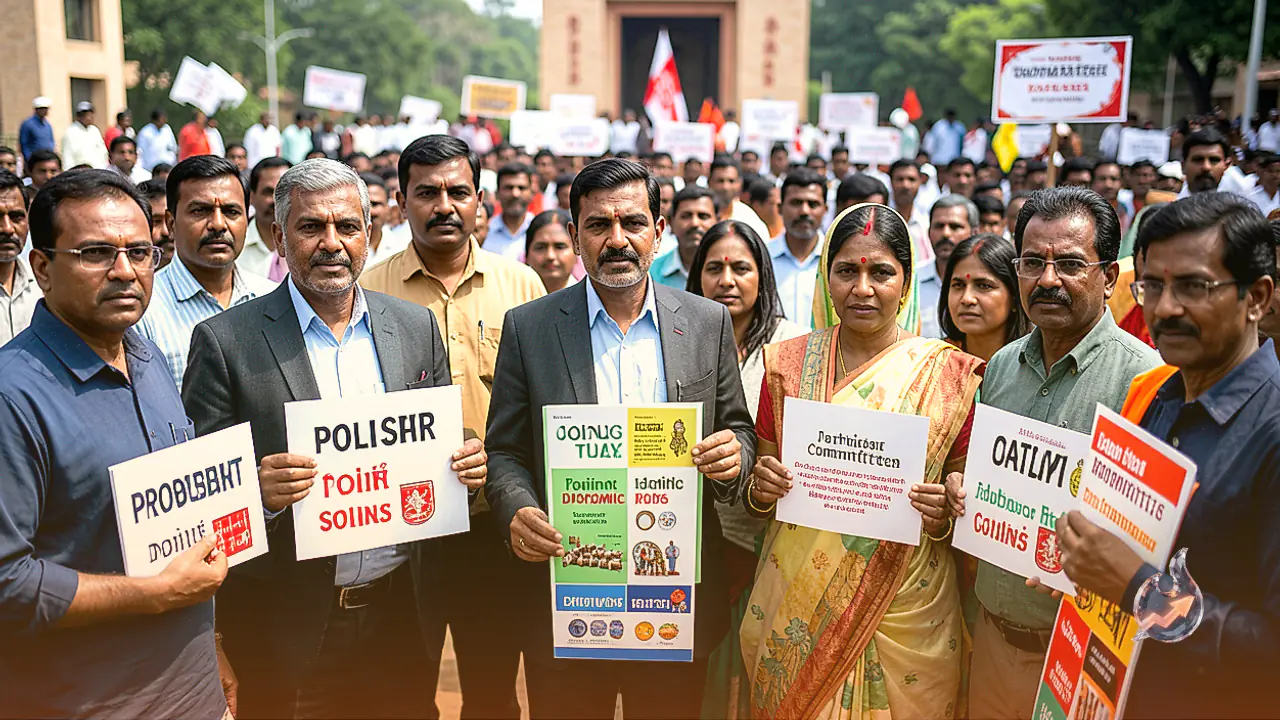
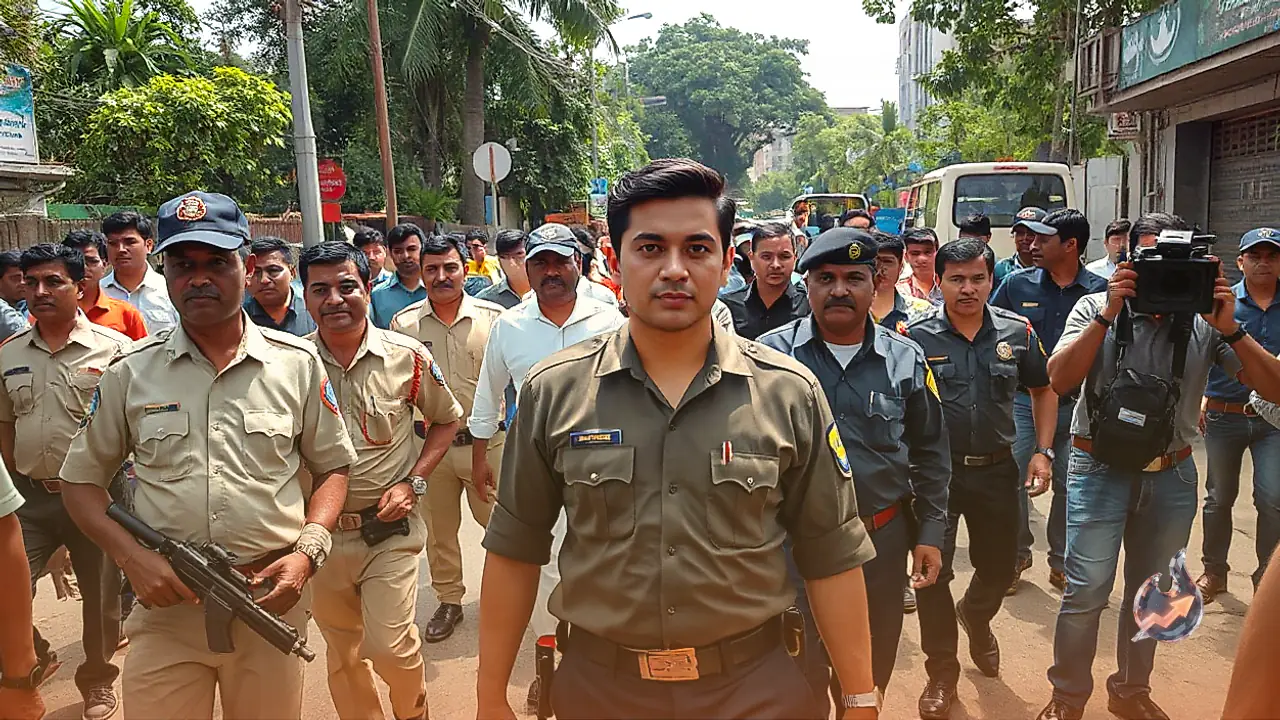
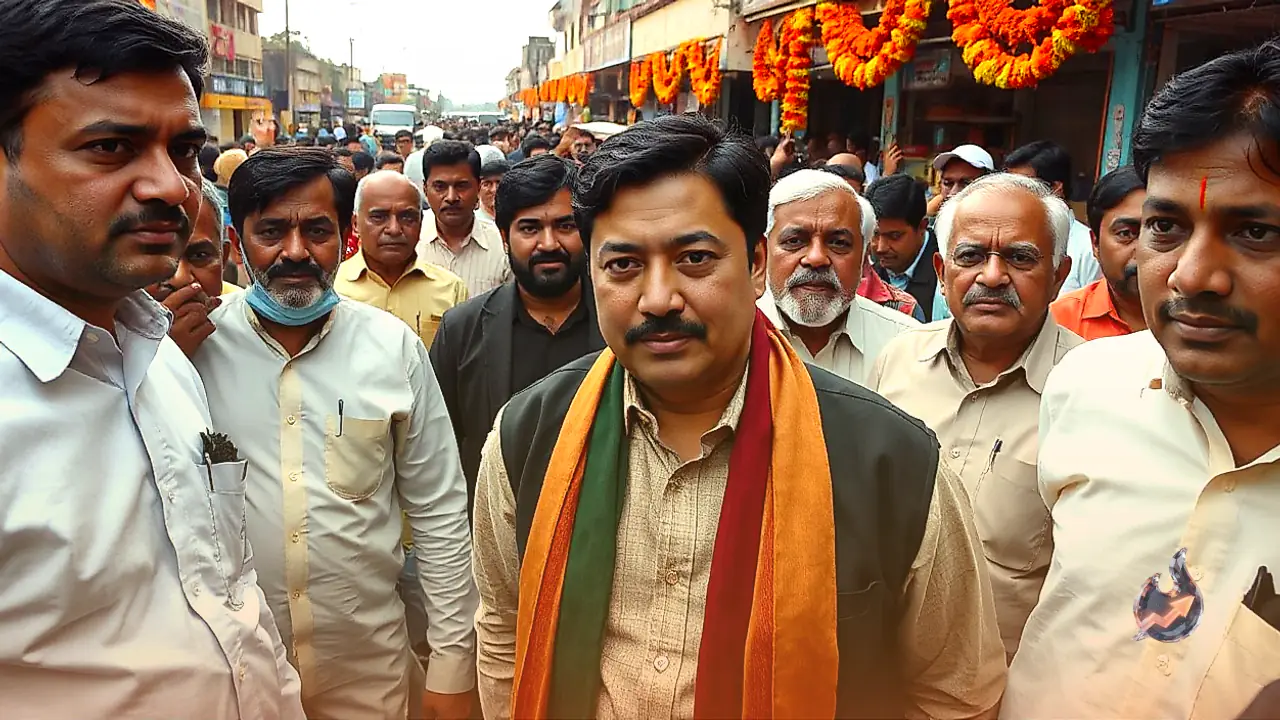
The immediate friction began on 13 October when members of CJP marched toward Jantar Mantar in central Delhi. Demonstrators moved through administrative barricades, hoisted the national tricolor, and raised slogans calling for the immediate removal of Chief Election Commissioner Gyanesh Kumar. The grievance was centered on procedural concerns regarding the Special Intensive Revision, known as SIR, which the group contends has compromised the sanctity of voter records.
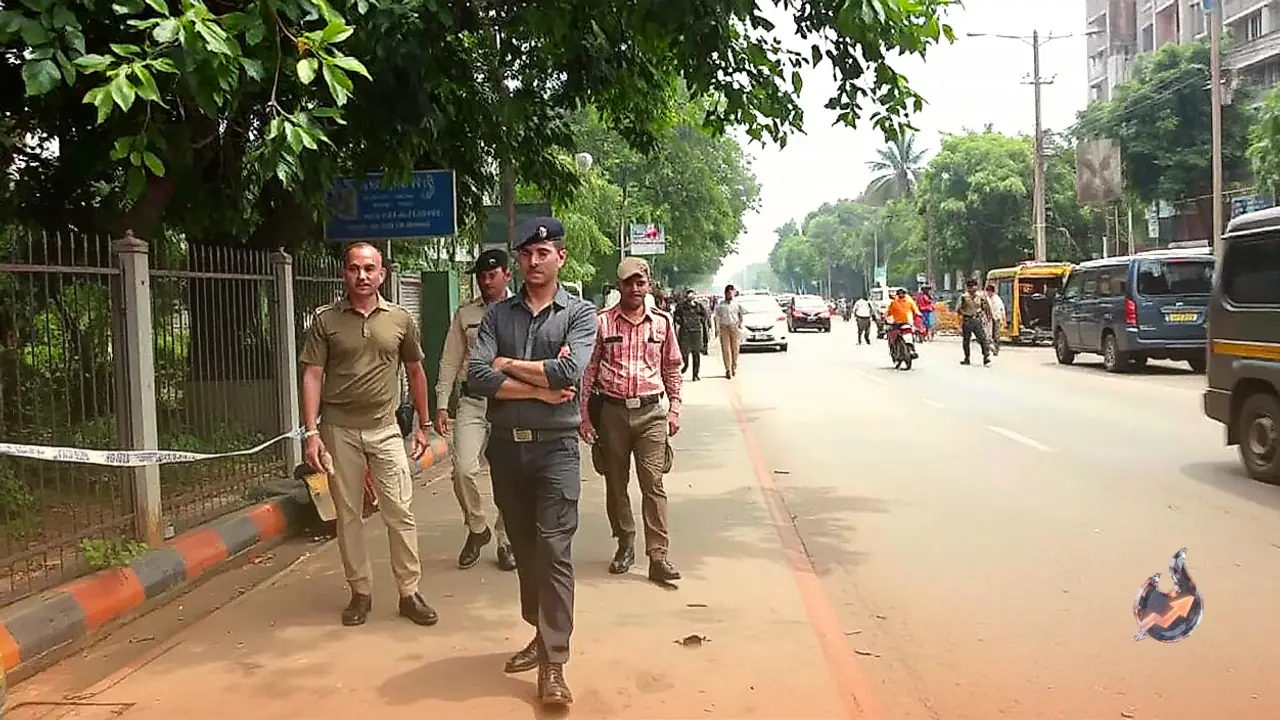
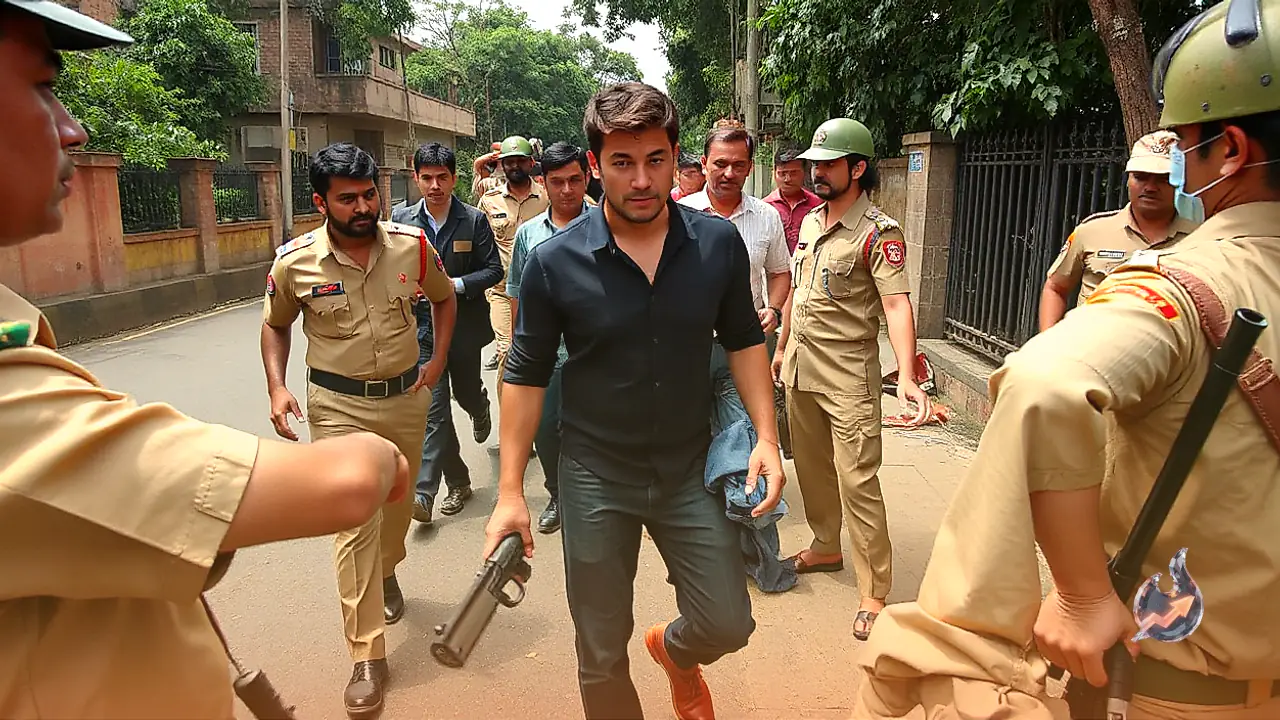
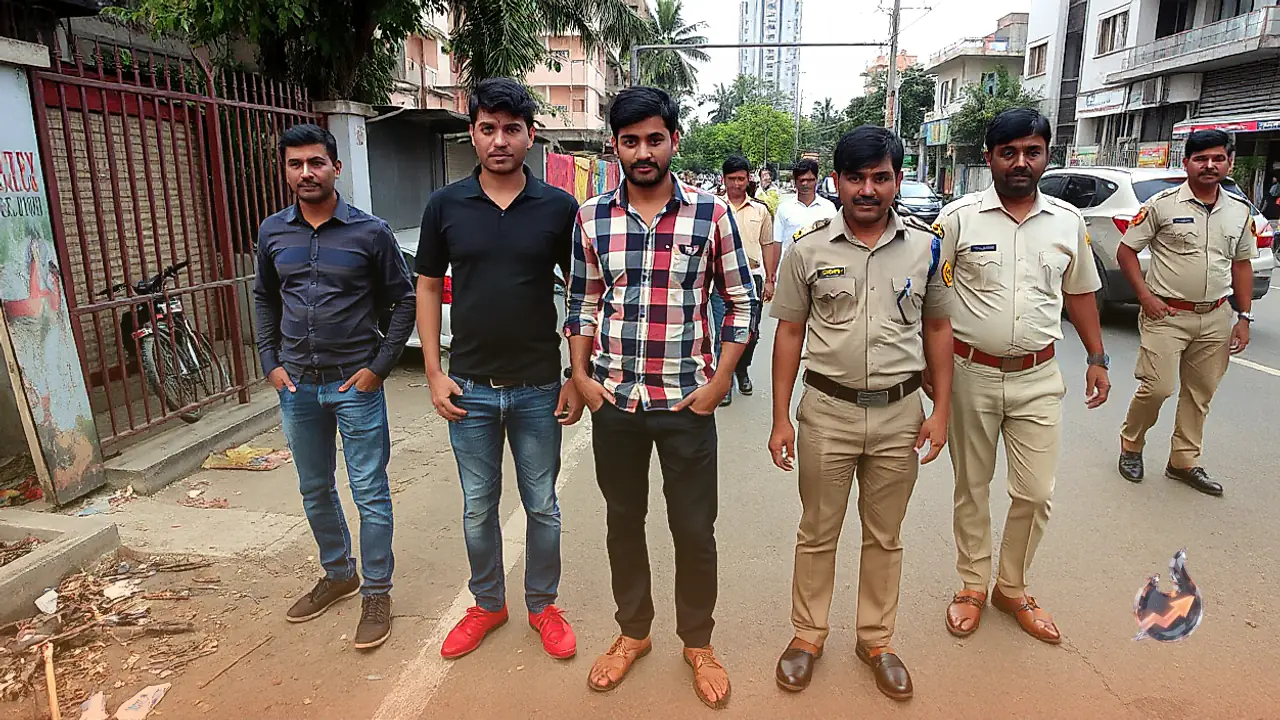
The venue chosen for the demonstration had previously been de-notified by authorities as an approved location for assemblies and protests. In response to the breach of designated perimeters, law enforcement officers intervened, took several participants into custody, and registered criminal cases regarding the unauthorized gathering. Ashutosh Ranka and Saurav Das were placed under judicial remand and spent seven full days in detention.
Their release on 21 October was granted only after fulfilling stringent administrative stipulations. Both leaders were required to submit personal undertakings promising to preserve public order and refrain from organizing or calling for protests at Jantar Mantar as long as its de-notified status remains in effect. Additionally, each individual had to execute personal and surety bonds of Rs 50,000 to secure their freedom. These legal pledges fundamentally limit their ability to use the historic site for future public rallies.
Summons from the Crime Branch and Growing Legal Friction
The respite following their release proved short-lived. On 22 October, the Crime Branch of the Delhi Police called upon Ranka and Das to present themselves for formal interrogation regarding the organizational planning and financial backing behind the 13 October assembly. However, neither leader appeared before the investigating officers on that date.
This absence has introduced fresh friction between law enforcement and the organization. Failure to comply with an investigative notice can trigger escalating procedural steps by police authorities. Given that both individuals remain bound by their Rs 50,000 personal and surety undertakings, any further defiance could complicate their legal posture and potentially risk judicial review of their release terms. Legal advisors associated with the group now face the task of managing police notices while preserving the leaders' freedom to strategize.
Dipke’s Self-Effacing Message and the Question of Authority
A notable pivot in public messaging occurred on 20 October, while Ranka and Das were still detained. Abhijeet Dipke, recognized publicly as the founding figure of CJP, published a recorded address in which he downplayed his personal authority within the outfit. Dipke asserted that Ranka and Das were the primary architects of the campaign, noting that he merely carried out directives concerning his travel, appearances, and daily assignments.
He praised their competence and spoke of them as leaders who possessed greater political capability than himself. Following their discharge from judicial custody on 21 October, Dipke reaffirmed this perspective through an additional social media update, reiterating his deference to their guidance and expressing pride in working under their strategic lead.
These admissions have sparked debate regarding whether Dipke functions largely as an outward-facing communicator rather than an executive decision-maker. In modern political and civic organizations, a founding figure publicly relinquishing operational control to colleagues who hold no formal senior titles is uncommon. The disclosures suggest that strategic authority within CJP may be concentrated in an informal inner circle rather than exercised through traditional institutional procedures.
Strategic Shortcomings and Analytical Assessments
Prominent political analyst Neerja Chowdhury provided context on the structural vulnerabilities confronting the protest movement. She pointed out that demanding the resignation of the Chief Election Commissioner represents a narrow bureaucratic target rather than a systemic push for political power. This distinction naturally influences how long public attention can be sustained.
Chowdhury observed that prolonged street agitations require disciplined pacing, noting that a protest cannot endure for thousands of days without clear operational pauses. Organizers, she argued, must deliberately determine when to assemble, when to negotiate, and when to bring an agitation to an orderly conclusion. In her view, no movement can operate on a model of unending confrontation.
She also identified significant deficits in coordination among the diverse factions rallying around the electoral roll grievances. The participating groups do not appear to share an established mechanism for joint decision-making, which hampers unified action. Chowdhury emphasized that when grassroots bodies, civic groups like Gen Z activists, and mainstream political entities converge, clarity of leadership is paramount. She suggested that non-partisan outfits and youth groups ought to lead the frontlines of such civic campaigns, with traditional political parties playing a supportive, secondary role from behind.
The Festival Intermission and Options Beyond Diwali
On 20 October, Dipke formally announced a temporary cessation of street activities, encouraging volunteer cadres and supporters to return home and spend the Diwali period with their families. Conversely, immediately upon stepping out of detention, Ranka declared that the campaign would resume with renewed vigor once the festival concludes.
Despite this declaration of intent, the leadership has yet to publish a schedule, outline an alternate location, or announce a nationwide roadmap. The undertakings filed before the authorities bar any assembly at Jantar Mantar, closing off the most accessible public staging ground in the national capital. Any attempt to revisit the site would amount to a direct violation of their conditional release, exposing both Ranka and Das to immediate rearrest.
Consequently, CJP must either identify alternative protest venues within Delhi that receive administrative clearance or decentralize the agitation by spreading it across regional state capitals. However, executing a multi-state civic campaign demands financial backing, robust regional networks, and shared organizational discipline, elements that have not yet been demonstrated in their public posture.
The Road Ahead for the Electoral Rolls Campaign
As the holiday hiatus proceeds, the sustainability of CJP's agenda remains tied to its institutional clarity. Technical arguments surrounding voter list revisions require deep engagement to generate broad public momentum. If the leadership cannot translate grievances about the Special Intensive Revision into widespread civic participation, momentum may dissipate quickly.
Furthermore, the pending inquiry by the Crime Branch ensures that legal scrutiny will persist well past the festive break. How Ranka and Das handle the next wave of official notices will dictate whether the organization spends November reorganizing its grassroots campaign or navigating legal defense proceedings in metropolitan courts.