


















A new venture aims to modernize how military and security personnel deploy service animals in high-risk operations. Ben Lamm of Colossal Biosciences and Palmer Luckey, the co-founder of defense firm Anduril, have joined forces to launch Warhound, an enterprise dedicated to genetically engineering working dogs for specialized defense and public safety roles. Emerging publicly after operating in stealth, the startup announced that it has secured $200 million in fresh capital from an investor group that includes In-Q-Tel, Sequoia, and 8VC. The funding round establishes the company's valuation at $1.2 billion.
Addressing Shortages and Foreign Dependency in Working Dog Supply
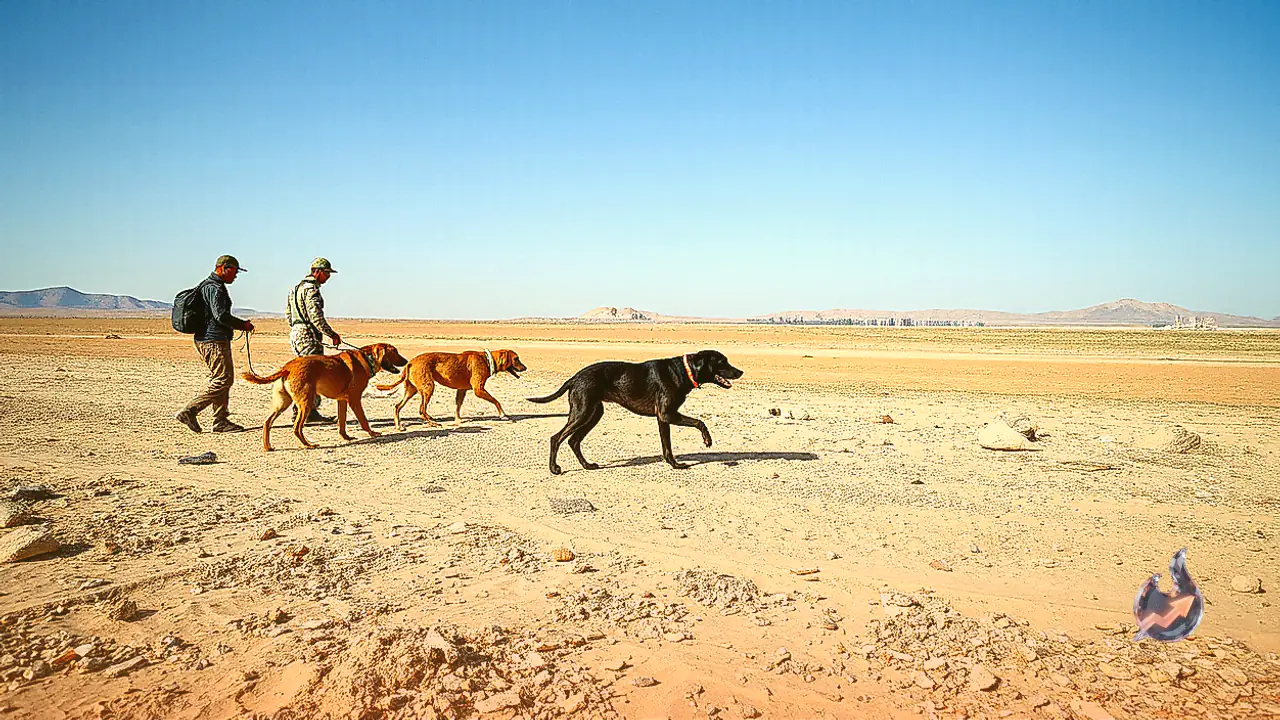
Service canines carry out missions that present extreme hazards for humans and remain exceedingly complex for automated robotics. These duties encompass locating buried explosives, navigating disaster zones, executing tracking sweeps, and supporting specialized tactical interventions. Despite this reliance, the pipeline supplying these animals in the United States faces significant strain. According to figures shared during the debut, more than 80% of the working dogs utilized by the American military are purchased from European breeders, and fewer than half of those procured ultimately prove fit for active deployment.
This reliance on international breeders creates a strategic vulnerability while confronting an overall shrinking global supply of capable animals. Warhound intends to resolve these operational bottlenecks by utilizing the advanced biotechnology developed at Colossal. The overarching goal centers on tailoring biological traits through genetic engineering so that the dogs naturally possess the physical durability and behavioral focus demanded by high-stress tactical environments.
Biobanking Cell Lines and Correcting Hereditary Health Flaws
The concept took shape about a year ago during an industry conference where Palmer Luckey discussed the chronic shortages and physical limitations afflicting service dogs with Ben Lamm. Following that exchange, Lamm examined current breeding practices and uncovered widespread systemic issues. Traditional breeding pools frequently leave animals vulnerable to disqualifying medical conditions. A substantial proportion of candidates fail rigors during training camps because of inherited defects, including early vision degradation, high lifetime susceptibility to cancers, hip dysplasia, and progressive muscular atrophy.
Through precision gene editing, the initiative plans to boost durability, extend working lifespan, and enhance specific physical attributes like sprint velocity, agility, and the sensitivity of scent receptors critical for bomb detection. To achieve this, researchers analyzed the two most effective working breeds, the Belgian Malinois and the German Shepherd. Cell samples from premier working dogs were harvested and placed into a secure biobank. Scientists will edit these cellular profiles, inserting genes associated with high performance and eliminating alleles responsible for degenerative hereditary diseases, effectively cultivating a new generation of service dogs.
Integration of Anduril Tactical Equipment and Protective Hardware
Biological enhancements will be paired with external tactical technology engineered by Anduril. The defense contractor is designing specialized software and hardware accessories, such as canine protective armor and specialized optics. These devices are built to elevate real-time situational awareness and streamline coordination between the animals and their human handlers during dynamic operations.
The concept includes bullet-resistant vests equipped with integrated data arrays that transmit continuous telemetry back to frontline operators. This sensory feedback offers real-time awareness of what the dog detects ahead of human personnel. Lamm emphasized that prioritizing the health, safety, and operational capability of the animal directly improves mission outcomes. The technological contributions from Anduril remain purely external to the dog's anatomy, focusing on equipment worn over the animal rather than internal physiological modifications, thereby increasing safety for both the dog and its human handler.
Corporate Structure, Cloning Roadmap, and Service Retirement
In terms of corporate governance, Lamm confirmed that Palmer Luckey acts exclusively as an operational partner without holding personal equity in the startup. Conversely, Colossal holds an equity stake and supports the endeavor through technology licensing. Colossal has previously drawn global attention for its de-extinction programs targeting species like the mammoth and the dodo, relying on artificial intelligence and molecular engineering platforms to clone and synthesize genetic structures.
The inaugural group of engineered dogs is undergoing cloning preparation and incubation, with births anticipated early next year. The company projects that these animals could begin operational field deployment within the next two years. The cloning work is being handled in partnership with Viagen, a cloning specialist owned by Colossal that maintains proven success rates in reproductive cloning and endangered wildlife preservation programs.
While customer pricing models have not yet been established, target purchasers include police agencies, emergency first responders, military branches, and the Department of Defense. Company leadership has already conducted informational briefings with relevant government offices. In addressing civilian safety and accountability, Lamm noted that the genetically refined animals will undergo the same rigorous tactical conditioning as standard military dogs and remain under the command of their purchasing agencies. Furthermore, the company is consulting with the American Humane Society to certify its training curricula, while ensuring that retired canines can access dedicated placement support through initiatives like the Military Working Dog Reunification Program.