



















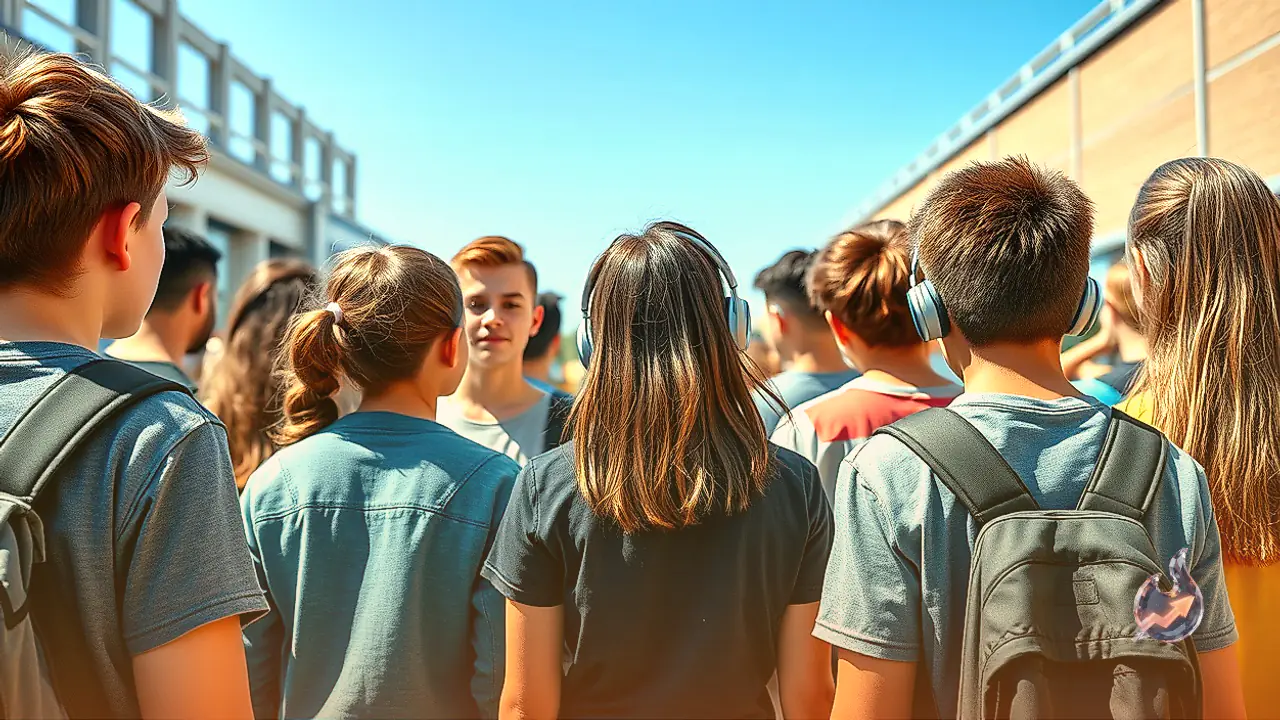

While school assignments and routine queries have led millions of students to generative software, a growing segment of young people is actively resisting the enthusiasm surrounding it. Four years after chatbots entered everyday life amid relentless corporate promotions, skepticism toward large language models is hardening among younger audiences rather than giving way to admiration.
Skepticism, Discomfort, And Generational Data
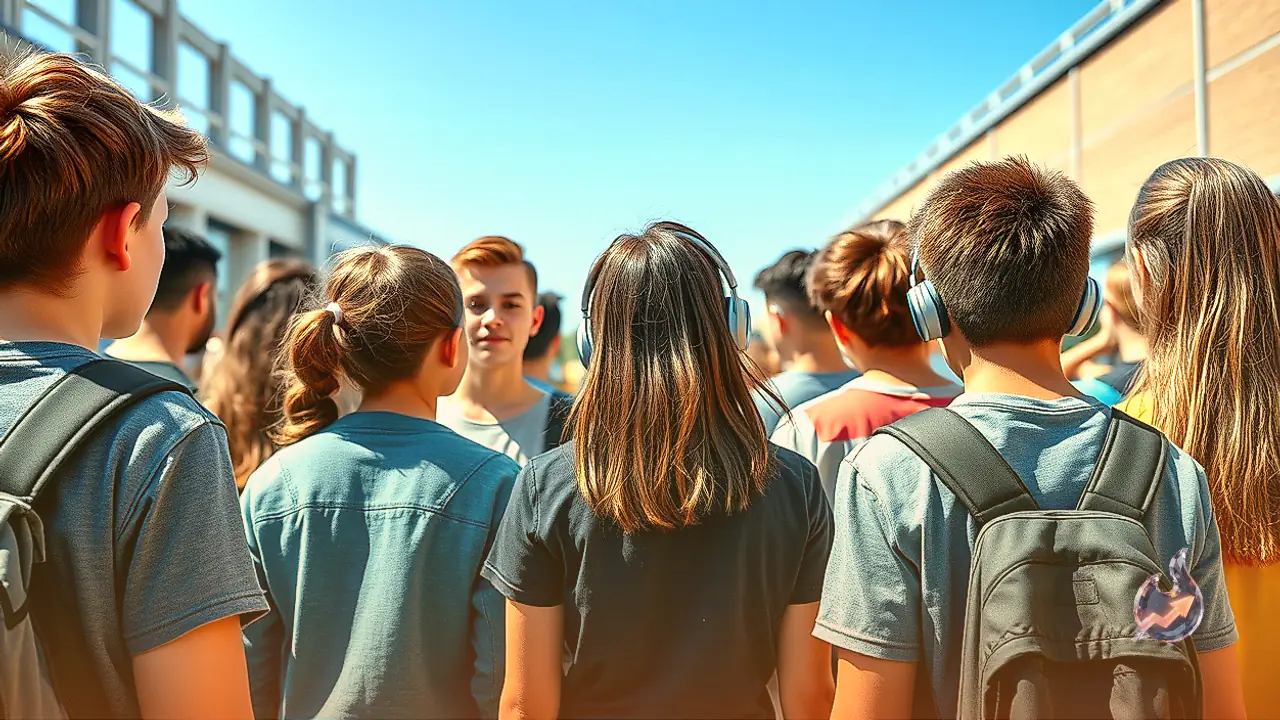
Research from market intelligence firm YPulse highlights this disconnect, showing that 37 percent of teenagers between the ages of 13 and 17 cringe when encountering machine-made music and synthetic video clips. Furthermore, more than half of surveyed teens express serious worry over the rise of misinformation and deceptive deepfakes circulating across digital platforms.
This sentiment reveals an unmistakable contradiction in youth adoption. A clear majority of American teenagers report turning to chatbots for practical assistance or companionship, yet their broader view remains guarded. Findings from Pew Research indicate that while teenagers often acknowledge personal utility in the software, more than a quarter anticipate negative consequences for society over the coming two decades, highlighting the elimination of jobs, the erosion of human critical thinking, and heavy environmental tolls.
Corporate Pressure And Concerns Over Future Fallout
Historically, emerging consumer technologies found their most ardent champions among younger demographics, but University at Buffalo communications professor Melanie Green explains that current developments break that mold. Instead of traditional pushback originating from older generations, young people are alienated by tech conglomerates and adults aggressively pushing software into every facet of life. Green notes that youth are acutely conscious that any systemic fallout resulting from these shifts will hit their age group harder than anyone else.
Discussions among parents and educators across digital communities reflect this fatigue. On Bluesky, parents describe households where children dismiss poor or fake creations simply by labeling them as automated slop. Meanwhile, teachers sharing observations on Reddit note that even students who rely on the software for coursework express deep reservations about its societal footprint and show genuine disdain for synthetic art.