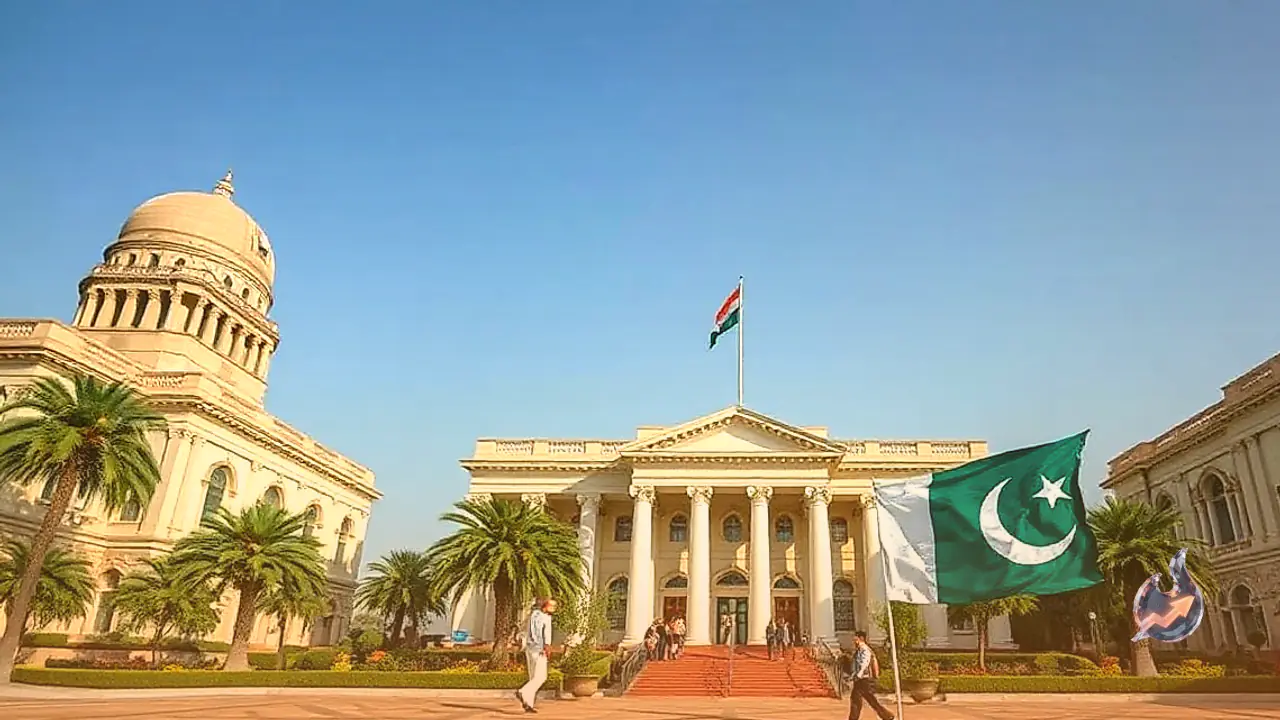















Back in August 1947, Lahore was widely expected to remain part of India. Famed writer Khushwant Singh and his family were completely certain that the city would stay on the Indian side of the border after Partition. Similar confidence was shared by most Muslim friends of the brother of former Prime Minister Inder Kumar Gujral. The calculation was straightforward, as the Hindu and Sikh populations made up roughly 40 percent of Lahore and controlled 80 percent of its commercial enterprises. Yet, exactly 48 hours after independence, the official boundary map was released, placing Lahore squarely inside Pakistan.
Sudden Upheaval and Divided Homes
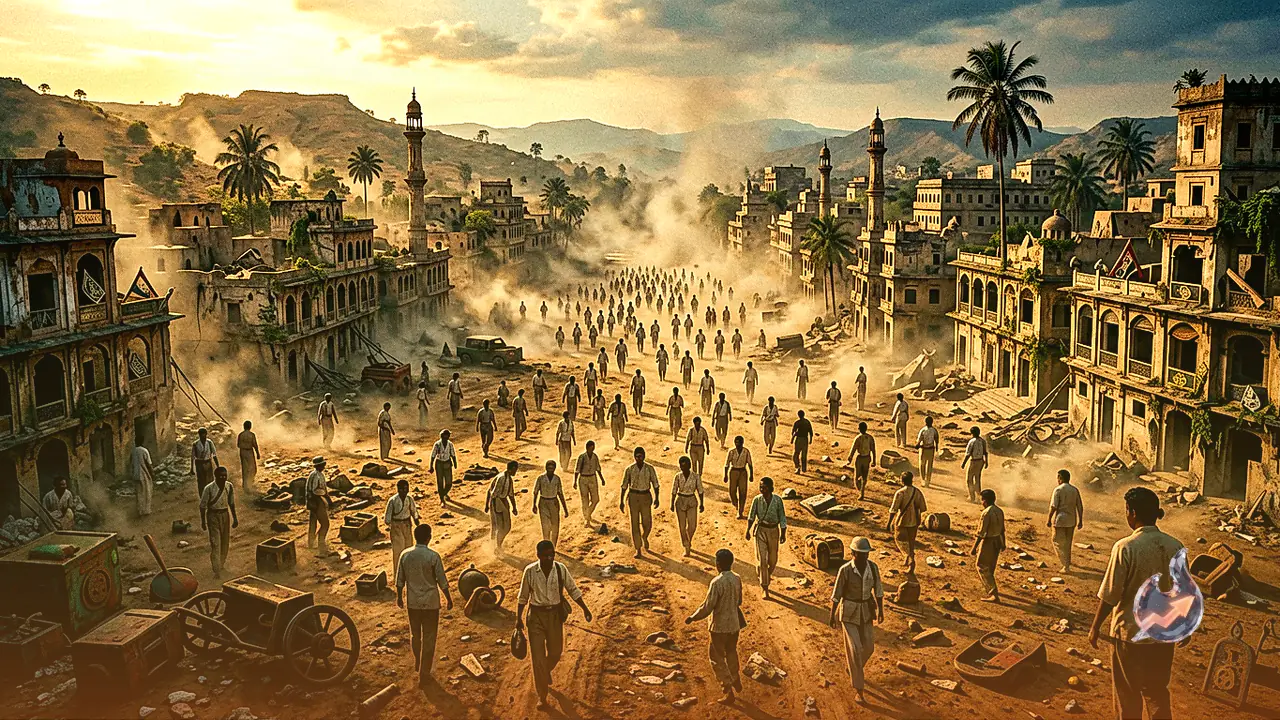
The boundary award turned thousands of residents into strangers in their own neighborhoods overnight. Families had to flee on short notice, abandoning everything they owned. The broader history of the territorial division is marked by profound anomalies. For certain households, the kitchen ended up situated in India while the bedroom fell across the border in Pakistan, whereas other families watched their agricultural fields partitioned right down the middle between two separate nations.
Historical Accounts and Literature
The complex circumstances surrounding the drawing of the boundary and the subsequent geopolitical fallout have been extensively documented by historians and authors. Notable works examining these events include Freedom at Midnight by Larry Collins and Dominique Lapierre, Borders and Conflict in South Asia by Lucy P. Chester, India After Gandhi by Ramachandra Guha, and Scoop by Kuldip Nayar. Other critical studies feature An Era of Darkness by Shashi Tharoor, Mountbatten and the Partition of India by Larry Collins and Dominique Lapierre, Gazing at Neighbours by Bishwanath Ghosh, The Great Partition by Yasmin Khan, The Transfer of Power in India by V.P. Menon, History of Partition of India by K.K. Aziz, along with research on women and displacement such as Borders and Boundaries and Abducted Women by Ritu Menon and Kamla Bhasin.