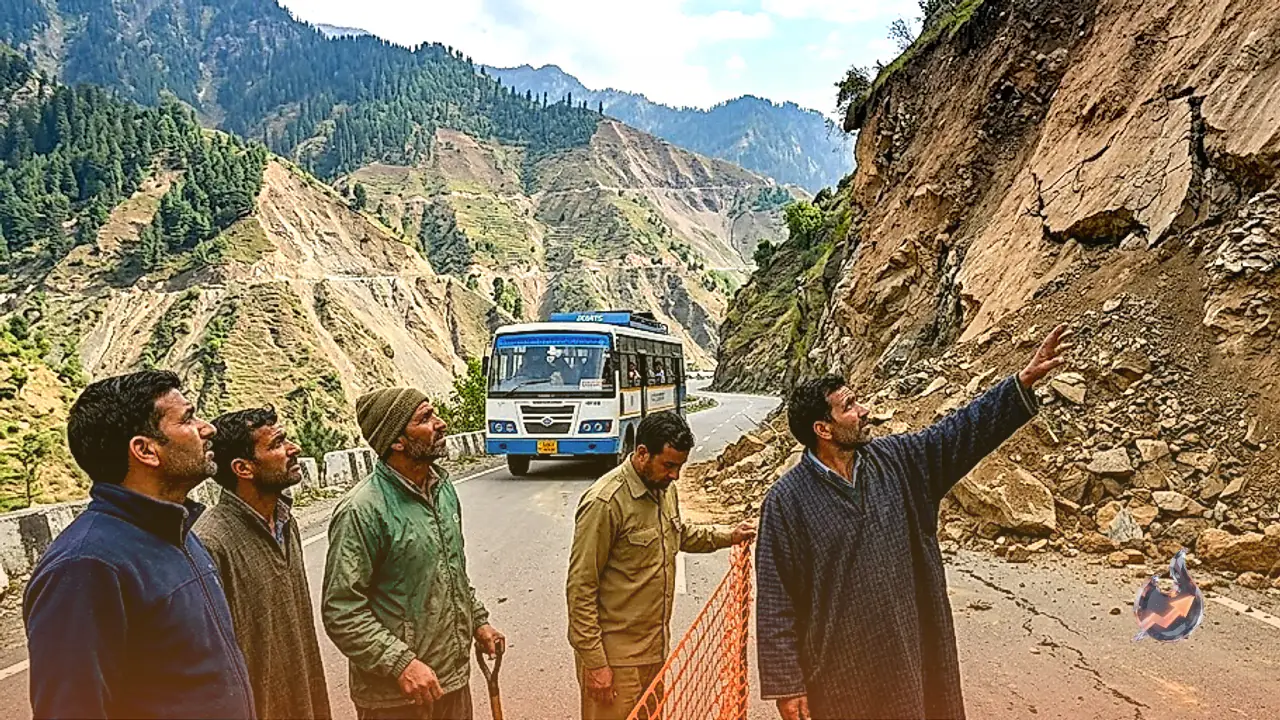



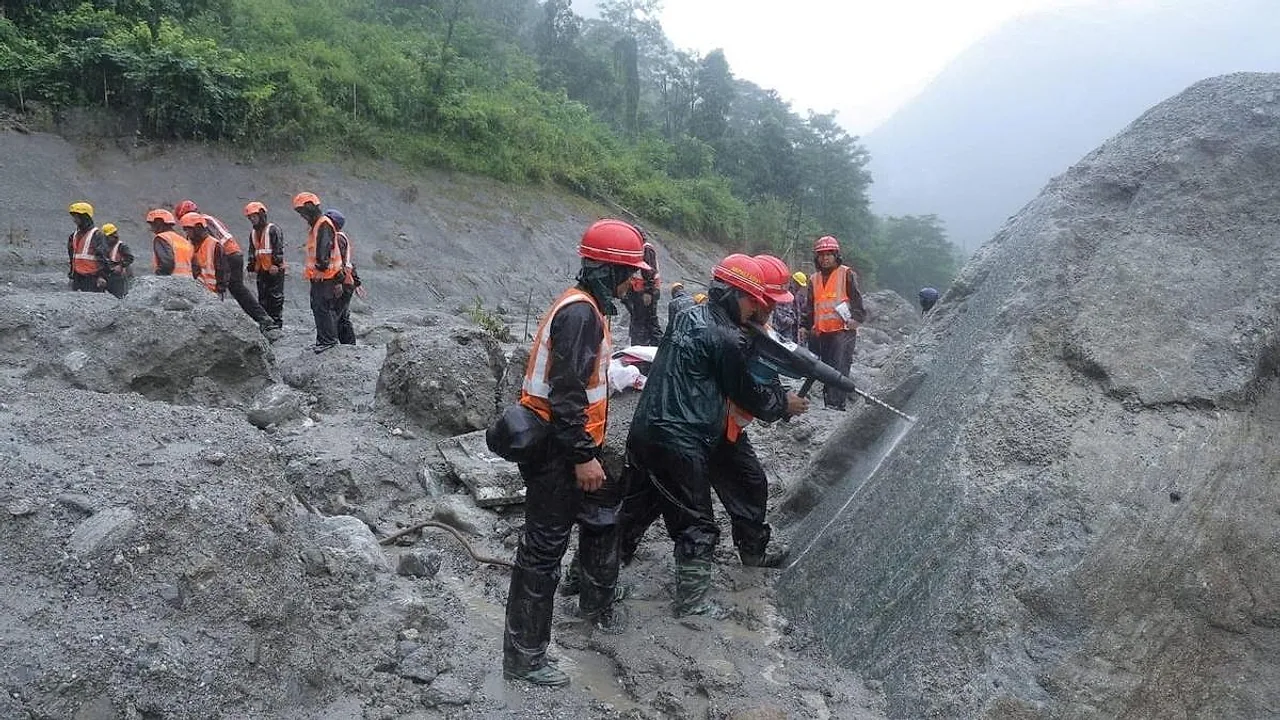



















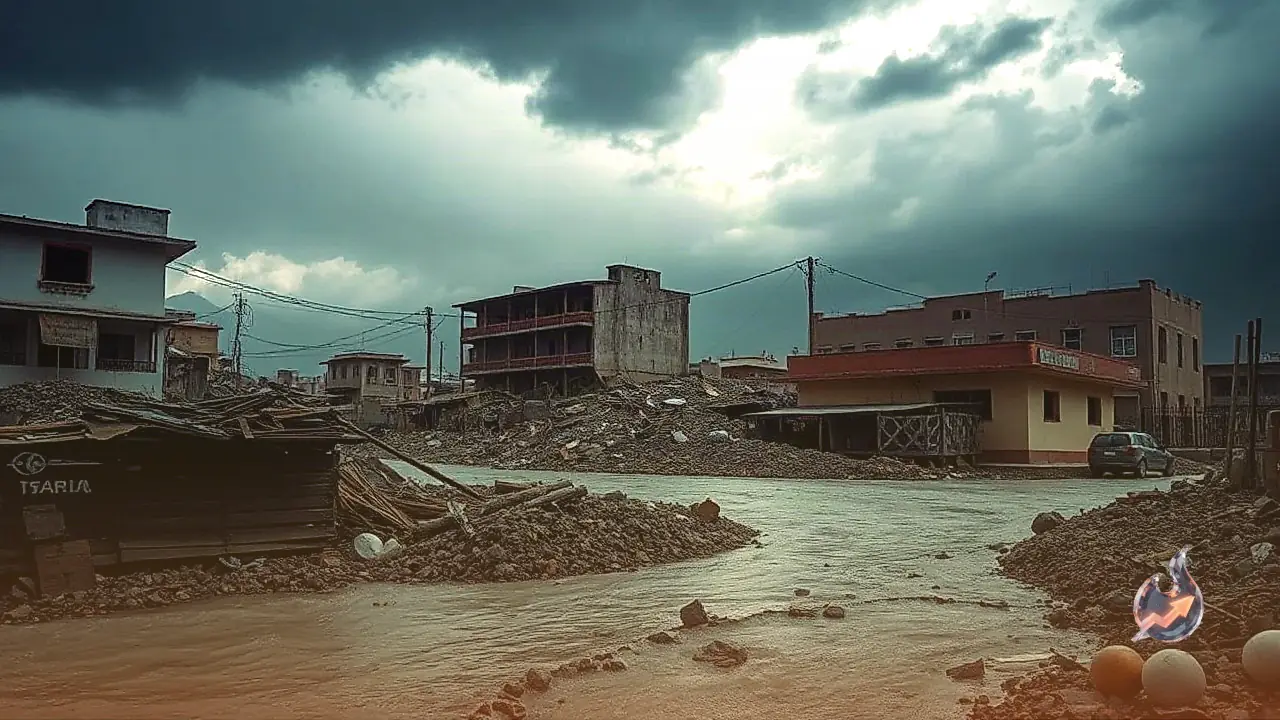

Even as memories of the massive destruction in Nepal remain fresh, nature has struck another blow in the Ladakh region as a sudden cloudburst triggered flash floods in Kargil. The natural calamity created panic among residents as an intense rush of water and mud came down the slopes. Fortunately, authorities have confirmed that no casualties or major damages have been reported from the incident, bringing significant relief to the local population and the administration alike.
Midnight Cloudburst Hits Stokpa Sankoo
The incident occurred during the intervening night of August 30 and August 31 in the Stokpa Sankoo area of the Kargil district. Following the cloudburst, the local rivulet swelled rapidly, sending a massive torrent of water charging down the mountain. The fierce current carried heavy mud, massive boulders, and other debris in a destructive rush. The sheer speed and volume of the flow created temporary chaos and anxiety among people living near the vulnerable water channels in the region.
Administrative Preparedness Averts Major Crisis
A major disaster was averted thanks to proactive precautionary measures implemented by the local administration ahead of potential weather risks. According to officials, targeted efforts had already been undertaken in the Stokpa Sankoo region under the supervision of the Sub-Divisional Magistrate of Sankoo and the Deputy Commissioner of Kargil. These measures included clearing vulnerable streams and increasing their water-holding capacities. Because the channels could handle the sudden surge, the massive volume of water, mud, and stones flowed away in a controlled manner, bypassing residential settlements and major infrastructure before discharging safely toward the Indus River.
Geography and Connectivity of the Affected Region
Stokpa Sankoo is a hilly village located roughly 44 kilometers south of Kargil town. The settlement lies along the Suru Valley Road, a vital route that connects further onward to the Zanskar Valley. Given the incessant rainfall battering the Himalayan terrain, the administration remains on high alert to tackle any sudden emergencies as the threat of flash floods persists across multiple mountainous pockets.
Salal Dam Gates Opened in Reasi
Simultaneously, heavy rains in Jammu and Kashmir prompted action further south in Reasi, where rising water levels in upper catchment areas forced authorities to open multiple gates of the Salal Dam to regulate the heavy inflow. Officials stated that reservoir water levels are being continuously monitored to prevent any sudden flooding risks downstream. Across the Himalayan belt, continuous downpours have elevated the risk of sudden floods and landslides, keeping administrative and disaster response agencies on continuous watch.