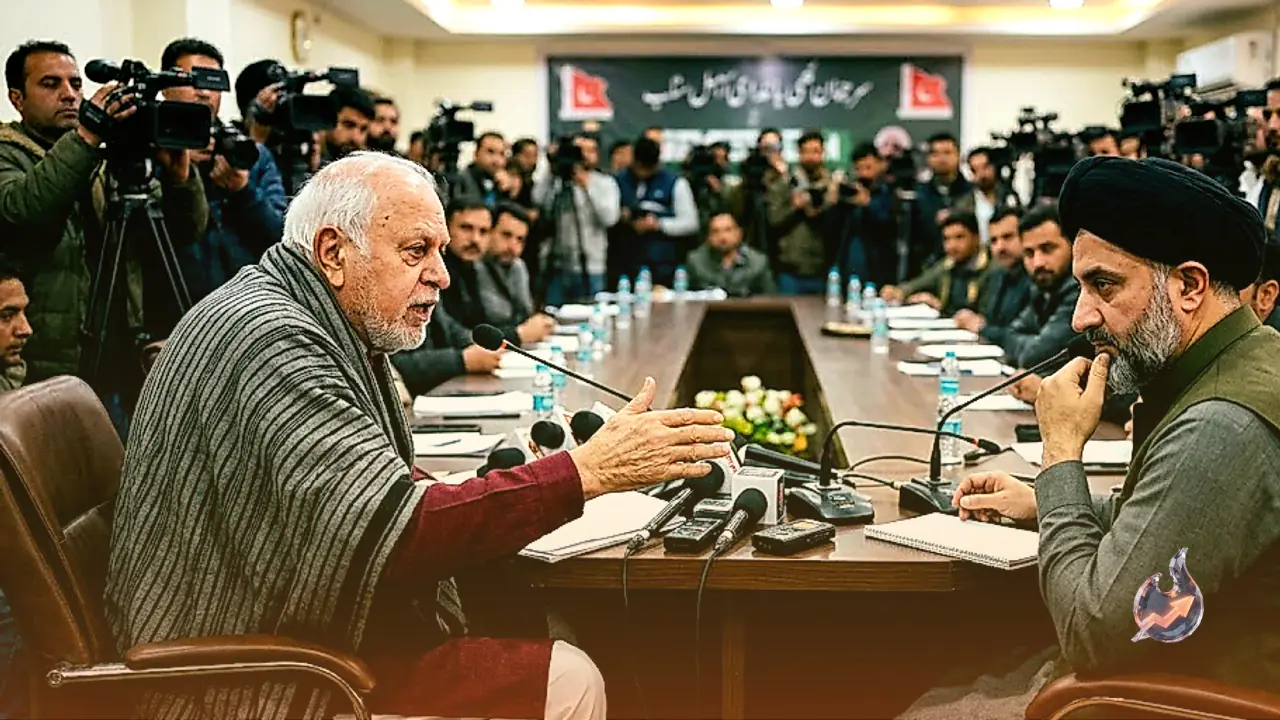
















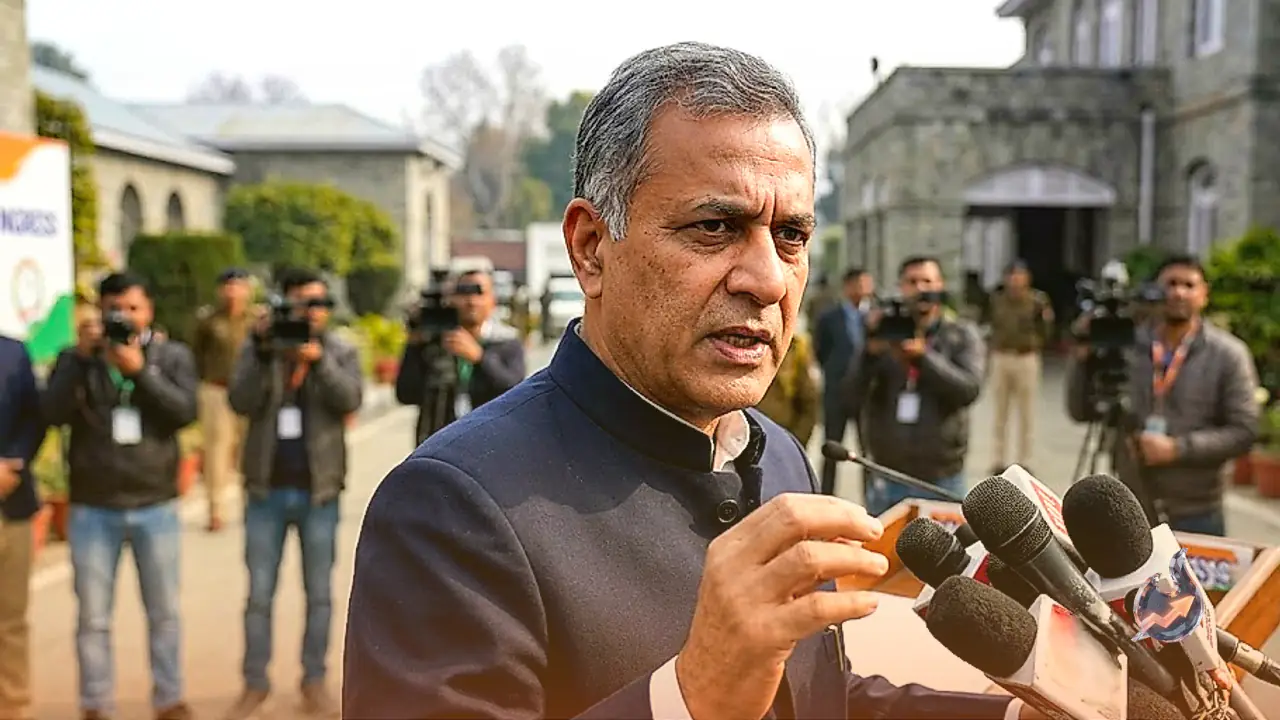

Political developments in Jammu and Kashmir have gained momentum ahead of an expected cabinet expansion, with the Congress party rejecting a fresh offer from the National Conference to join the Omar Abdullah-led ministry. Jammu and Kashmir Pradesh Congress Committee President Tariq Hameed Karra announced that the party is standing firm on its principled position and will not accept any ministerial portfolios until full statehood is restored to the Union Territory. However, Karra reaffirmed that Congress will continue extending external support to the coalition administration in order to safeguard regional harmony and secular values.
Statehood Restoration and Protection of Local Rights
Iterating the party's core demands, Tariq Hameed Karra stated that the central government unilaterally and unconstitutionally stripped the people of Jammu and Kashmir of their constitutional rights. Congress has placed the restoration of full statehood at the top of its political agenda, along with guarantees for local residents over land, employment, and natural resources. Karra explained that Congress aligned with the National Conference primarily to preserve communal harmony in the region. He emphasized that the party's stance over the past two years has remained consistent, maintaining that supporting the government does not automatically translate into joining the cabinet before statehood is granted.
Cabinet Size Restrictions and Current Vacancies
As a Union Territory, Jammu and Kashmir operates under specific statutory limits regarding the size of its council of ministers. Under existing legal frameworks, the maximum strength of the cabinet is capped at 9 ministers, including the Chief Minister. Currently, the Omar Abdullah administration functions with 6 ministers, leaving 3 positions vacant. Congress had declined to take up ministerial berths even during the initial swearing-in ceremony of the government. Reports at the time suggested that Congress was dissatisfied with the number of cabinet slots allocated to it. The fresh offer from the National Conference was aimed at filling the remaining vacancies, but Congress opted to remain outside the executive body.
Past Strains and the Rajya Sabha Election Controversy
The relationship between the coalition partners has experienced moments of friction since the government was formed. Tensions surfaced prominently during the Rajya Sabha elections held last October for 4 seats representing the Union Territory. Prior to the election, the National Conference unilaterally declared candidates for 3 seats and offered the 4th seat to Congress. However, that 4th seat was widely regarded as mathematically unwinnable. Congress leaders maintained that they had been assured a safe seat and subsequently chose to boycott the contest in protest. Consequently, the National Conference won 3 seats, while BJP candidate Sat Sharma secured the 4th seat, deepening the rift within the ruling alliance.
Assembly Numerical Strength and Coalition Stability
In the 90-member Jammu and Kashmir Legislative Assembly, a simple majority of 46 seats is required to sustain a government. The current assembly composition gives the National Conference 41 seats, while Congress holds 6 seats. Together, the two partners command 47 seats, placing them safely above the majority threshold. Additionally, the National Conference enjoys the backing of several independent legislators and smaller political entities. On the opposition side, the Bharatiya Janata Party holds 29 seats, and the Peoples Democratic Party accounts for 4 seats. Consequently, Congress's decision to stay out of the cabinet does not compromise the numerical stability of the Omar Abdullah government, as its 6 MLAs continue to provide crucial voting support.